What It’s Really Like to Move to the Azores
Many Azoreans I know can trace their roots back hundreds of years to the the islands’ earliest settlers, who cleared giant volcanic rocks from fields and somehow made edible and drinkable things grow in them. These resourceful people then built colorful towns, a few vibrant cities, a multifaceted culture, and some flourishing industries. These Azoreans, past and present, inspire me greatly. Their blood doesn’t flow in my veins, but their stubbornness does: It’s taken a lot of love and grit to build a life in these islands.
I am not Azorean by birth, but after living here for seven years, I have a pretty good idea of what it’s like to live here. My area of expertise is the immigrant experience: moving here from another country and starting all over again — from scratch.
Why Move to the Azores?
Who moves to a volcanic rock in the middle of the ocean, anyway? Apparently me, along with thousands of others over the past centuries, starting with the first permanent settlers who arrived in the 1400s. The past is another subject, but in recent decades, those moving to the islands have tended to fall into a few groups:
- Azorean returnees: These folks were born in the islands but emigrated to other countries as children and are now returning as part-time residents or retirees to reclaim their heritage and sometimes, family properties.
- Retirees: These are mainly retirees from mainland Portugal and other European countries, South Africa, and North America, who flock to the islands to take advantage of the mild climate and lower cost of living compared to other popular retirement destinations.
- Temporary and long-term workers and professionals: These are people from all over the world who come for internships, jobs, and academic positions in industries like tourism and marine science. Some stay short term and then leave, while others stick around for a while.
- Investors, entrepreneurs, and digital nomads: Investment opportunities and economic incentives like the Golden Visa and Non-Habitual Residency (NHR) program have drawn many people to the islands in the past decades, though this has changed in recent years due to the shifting policy and economic landscape.
- Gobsmacked visitors: These are the sailors passing through the islands on a world tour, along with others wandering in on short trips who end up staying — sometimes for the rest of their lives.
- Values-led immigrants: These are the artists, healers, writers, organic farmers, ecotourism specialists, young families, and others seeking a more intentional life beyond mass consumerism.
Of course, many people have more than one reason for moving. For example, I’m a hybrid of the last three categories: I was a gobsmacked visitor who became curious about living in the islands. I then did some research and learned about the economic incentives and decided to move to an island and start a values-based business. The rest is history.
The Move

The logistics of moving to an island are not for the faint of heart. As an EU citizen with minimal belongings, I had it easier than most. But there were still many bumps along the way. Most immigrants to the island follow a labyrinthine path that goes somewhat like this.
First Steps
After deciding to move here, you need to secure a place to live and establish a path to residency, either through Portuguese or EU citizenship or a residency visa. For many, this is a convoluted process that may take a year or more.
Sorting Your Stuff
Next, you need to decide what to bring to the island and what to leave behind. Many people downsize when moving here, seeking a simpler life. If you don’t have the heart to sell your unneeded stuff or give it away but you also don’t want to take it with you, you can put it into long-term storage in your home country. This may be a good idea if you think your move to the islands may not be permanent. But it may also just prolong the simplification process. Will you ever need or want multiple televisions, three sets of dishes, or that king-sized bed in your quaint island home?
The Transit Process
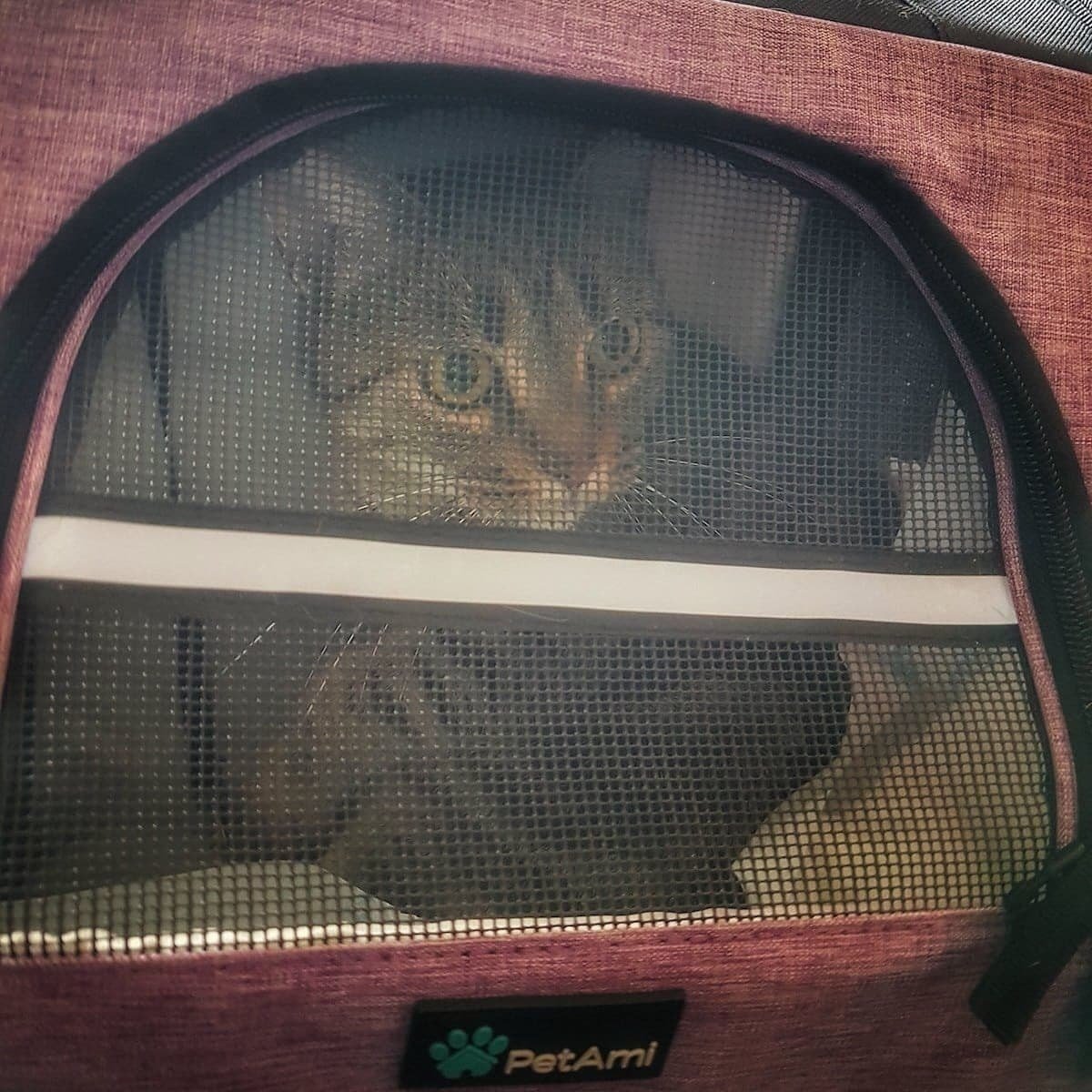
Then you need to figure out how to get your downsized pile of stuff across the ocean to your chosen island. What do you bring with you on the airplane? What do you need to ship? How will you ship it? Will it fit into boxes or do you need a container? You also need to figure out how to transport your pets, if you have them. This can be an emotional process, as many people do not want their pets to go into the airplane’s cargo hold on long overseas flights. Incoming islanders with means have been known to charter private flights to the islands for themselves and their pets — not an option for most of us, but just sayin’.
The First Weeks
Once you arrive on your island, you’ve only just begun. If you haven’t done it already, you need to set up utilities like electricity, water, internet and cable, and mobile phones. Then you need to determine where to purchase food and necessary household items.
The First Months
A few weeks in, you’ll need to register yourself and your family in the local health care and school systems and start compiling a list of contacts to assist with personal and household needs: electricians, carpenters, plumbers, dentists, veterinarians, hairdressers, and others. You’ll likely want to procure a vehicle if you haven’t shipped one over already, and you’ll need to obtain Portuguese auto insurance and a Portuguese driver’s license within a certain time frame. Finally, you’ll start networking to meet your fellow islanders, and you’ll either begin or continue your study of the Portuguese language to make everything about all of this so much easier — and also because it’s the right thing to do when you move to another country, whether you’re an expat who stays for a short time or an immigrant who stays forever.
Exhaustion
Most of us have stories to tell about moving to the islands: what worked like a charm, what was challenging, and what was a complete disaster. But one universal theme seems to be that in our first weeks and months here, we were thoroughly exhausted.
Would it all be worth it in the end?
The Honeymoon Period
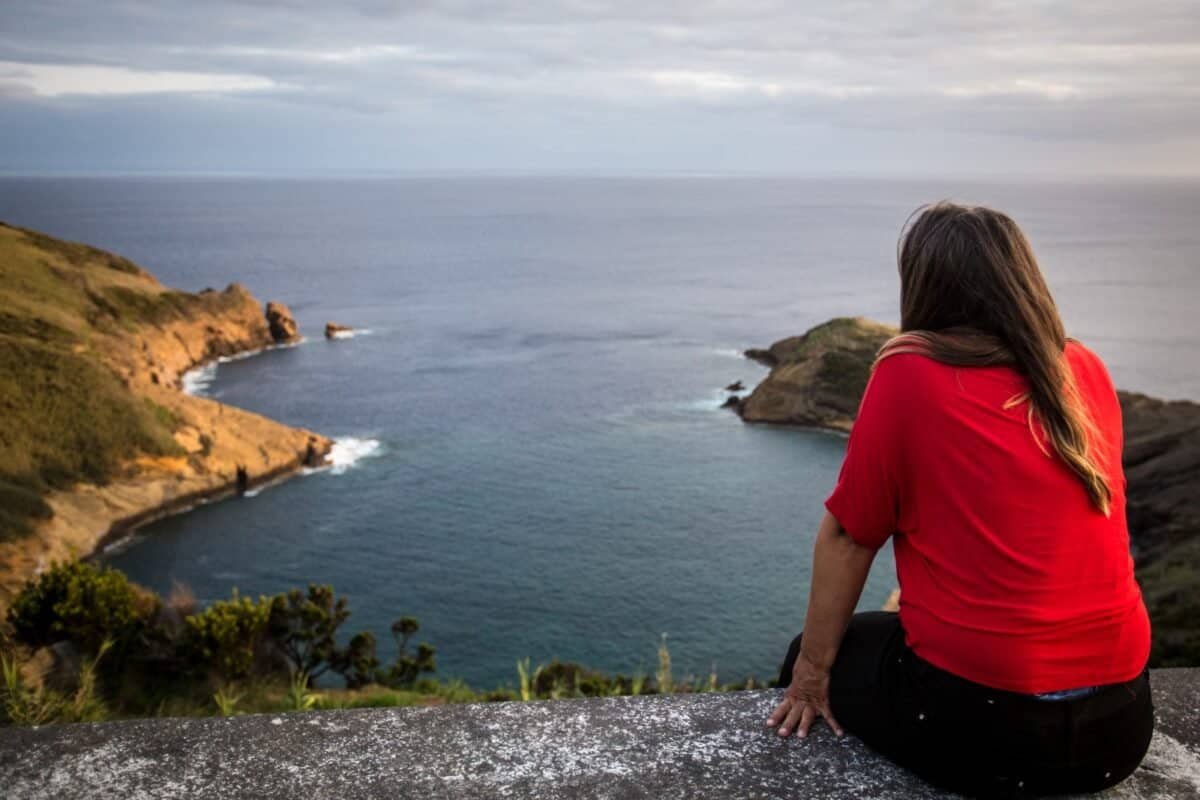
A period of bliss often follows the labor pains of birthing a life in a new country. This happened when I moved to Italy in 2011 for school; it happened when I moved to Tanzania in 2014 for work; and it happened when I moved to the Azores in 2019 at the start of my island odyssey. During this first phase, life abroad is like wandering through a museum, each room opening up to new treasure troves: novel sights and experiences, the sounds of unfamiliar languages, tantalizing aromas and foods, and precious new friends, who sometimes behave in ways you don’t fully understand. All this dazzles the brain and creates feelings of awe and wonder.
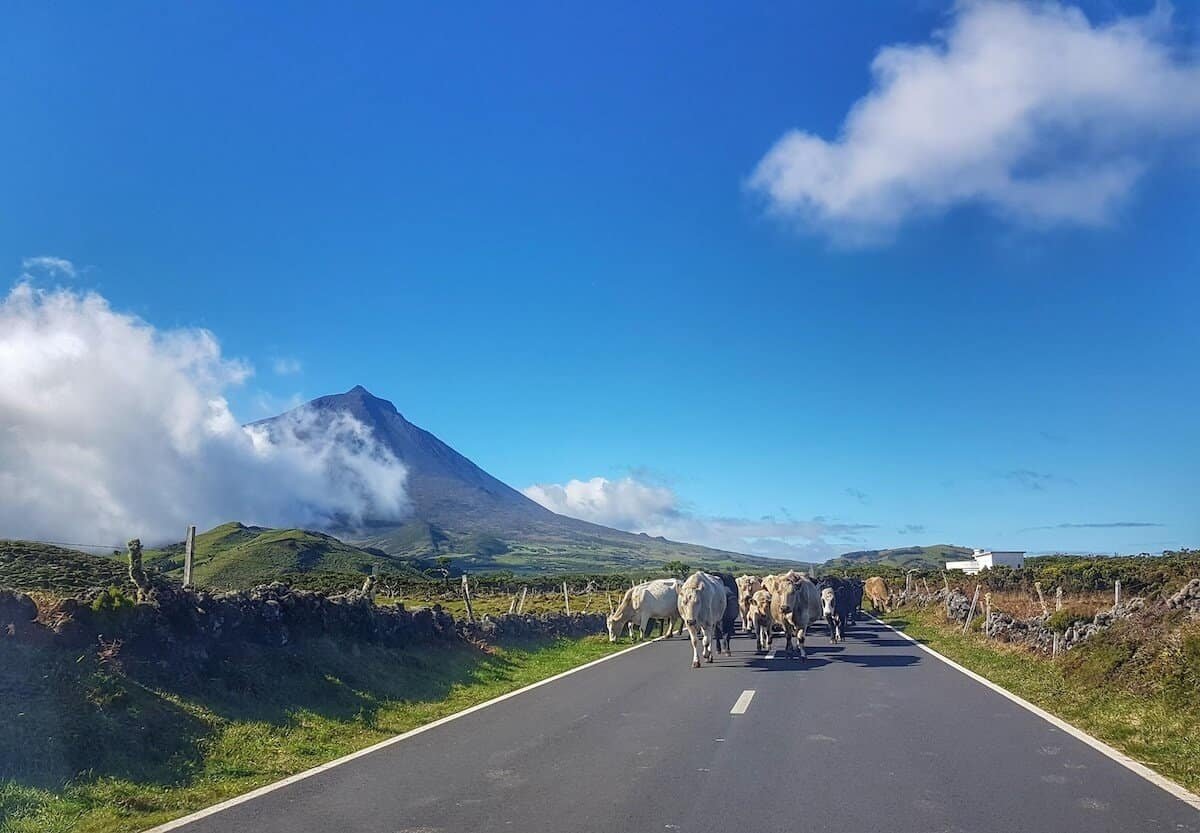
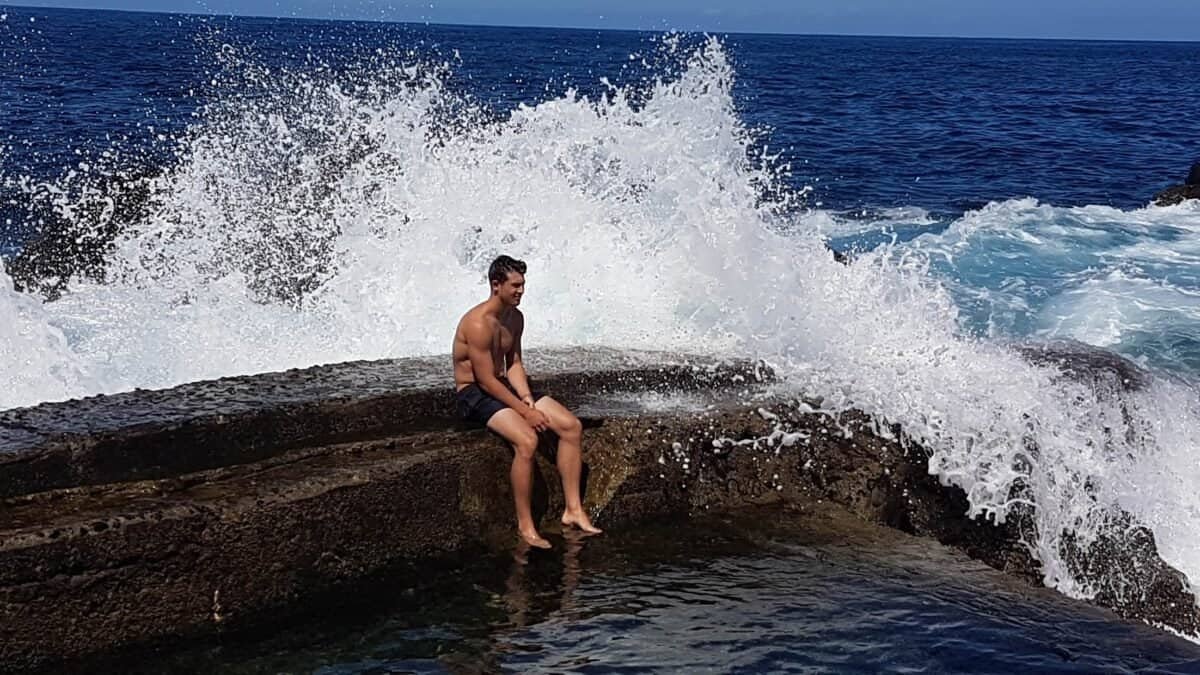
My year-long Azorean honeymoon was all about life on a Portuguese island in the middle of a fierce ocean. No one told me the air would smell faintly like flowers and cows, all year round.
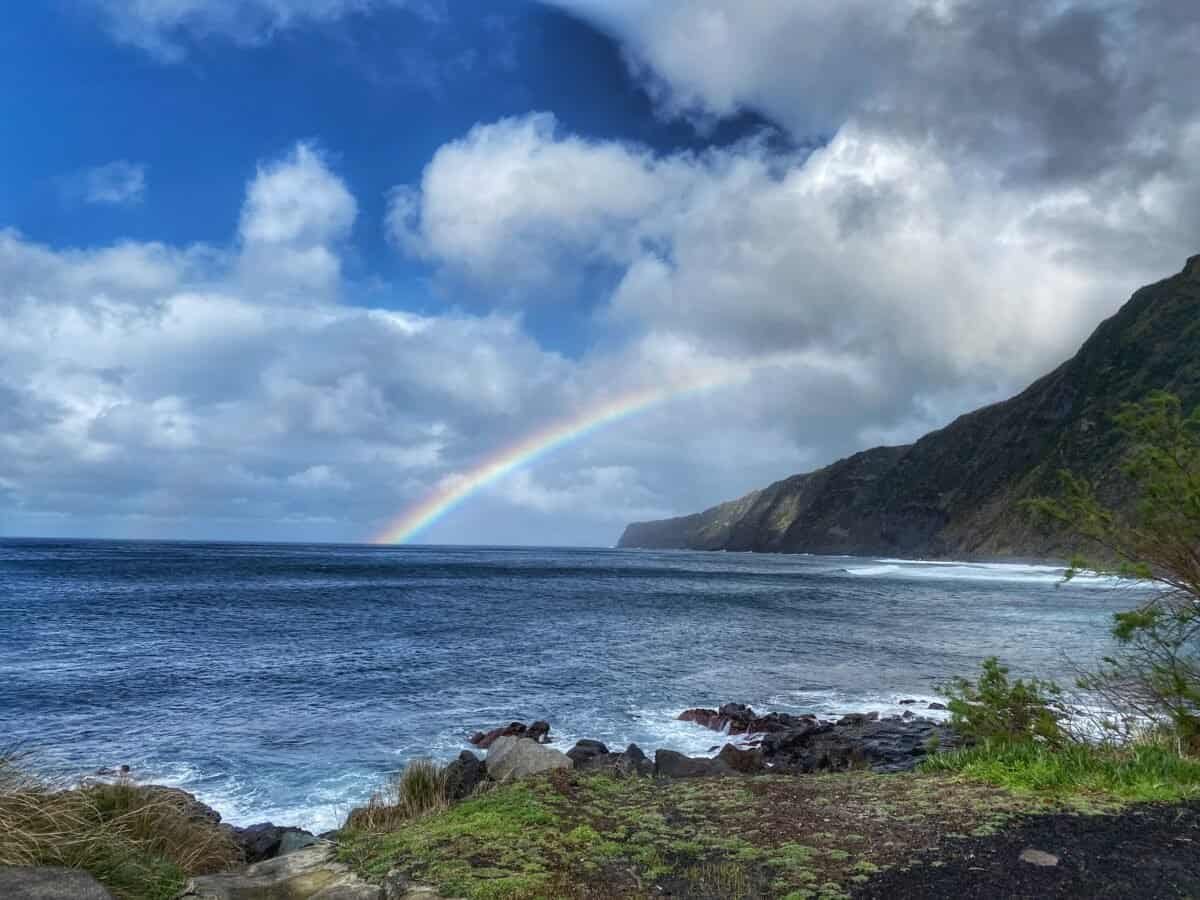
That jumping into the sea in February would produce first a shock, then an all-over-body tingling, and then a shiny, blissful numbness as the endorphins flowed full force. That the winter storms battering my house would give way to a parade of rainbows, strung between ocean and sky.

That the Azoreans could be like shelled sea creatures, slowly opening up to reveal their treasures. That the Portuguese language could be so beguiling and yet, so impossible, teasing me always with its Slavic sounds and prepositional mysteries.
Who knew.
Reality Hits
Life on a remote island can be blissful. It can also be unbearably difficult. Some immigrants experience fewer challenges than I did, maybe because of luck or preparation. But I believe everyone goes through some degree of disillusionment, ranging from “wow, this is harder than I thought” to “get me the hell out of here.” Some do leave during this time. Many stay. We expand our coping skills with practice.
I experienced a return-to-reality period in Italy and Tanzania, but the one here in the Azores has been the longest and most brutal. The pandemic, which began one year after I arrived on the island, intensified this. Here are some of the biggest challenges I have experienced and observed others experiencing during their first few years in the islands, after the conclusion of the honeymoon phase.
Azorean Winter Weather
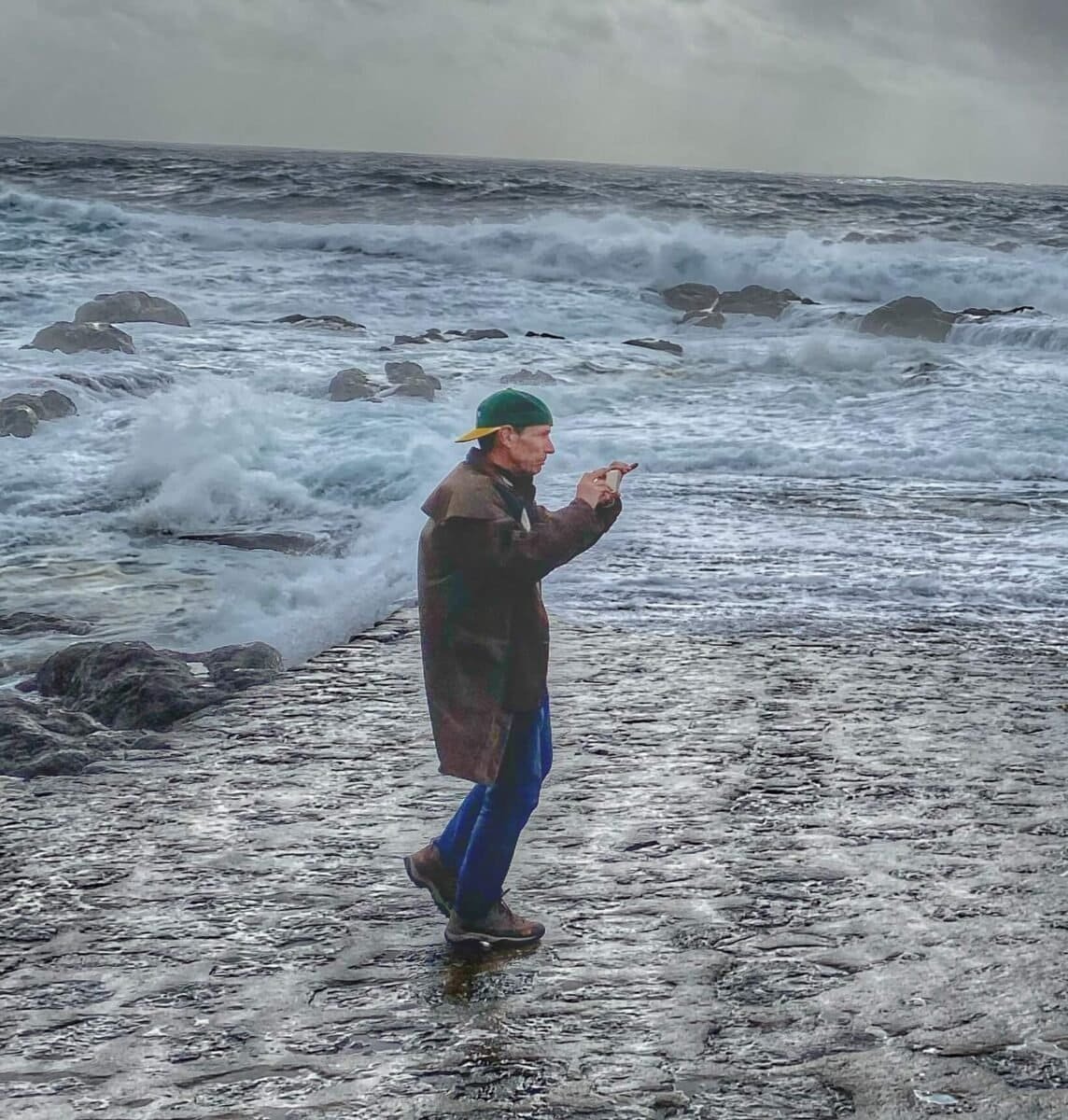
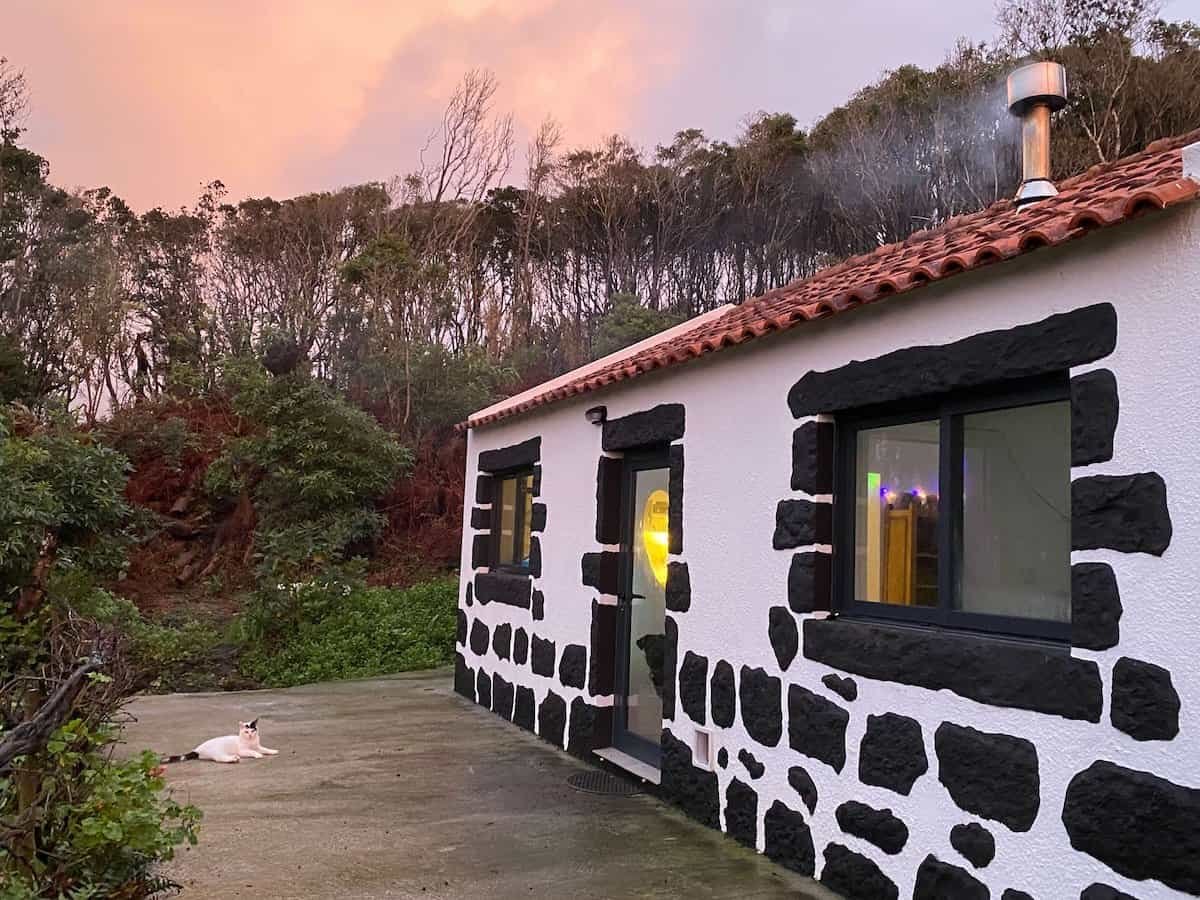
Lucky island homes are nestled in forests or behind hills. But more exposed ones can face a barrage of wind in winter. The winter wind here is a relentless, feral animal. It roars as it approaches and then launches itself at your dwelling with the force of an incoming freight train. Sometimes it screams like a banshee while whipping around your home, as if proud of its own absurd antics. It can also drive rain through the smallest crevices in walls, windows, and roofs, creating the next big problem — moisture.
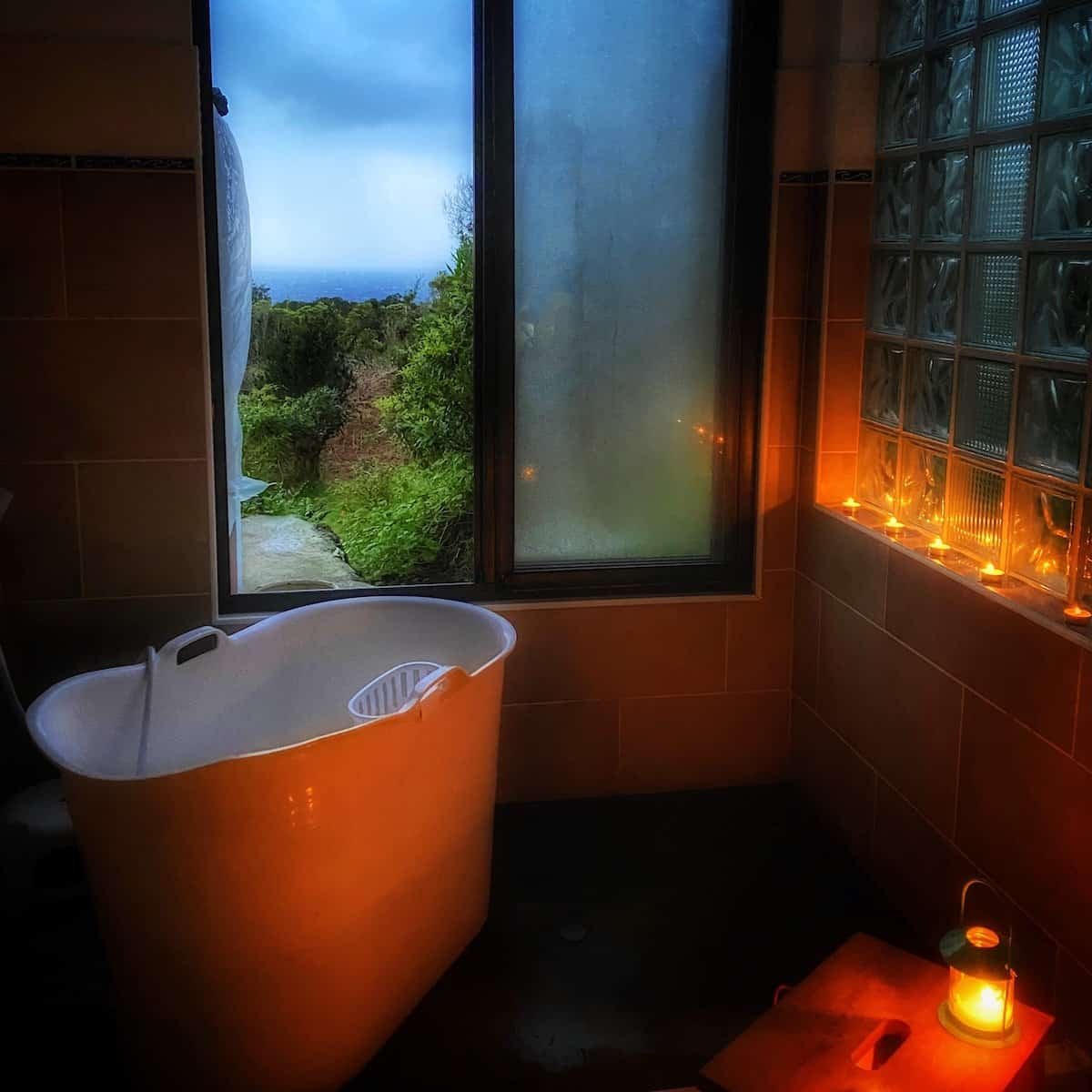
Pounding rain? That’s for sissies. Here, Azorean deities open portals, and giant lakes pour down from the heavens, emptying themselves in mere moments. A winter without a roof leak is a banner year. But even without a leak, humidity in the home is an ever-present reality. Imagine — my two large dehumidifiers have become my most prized possessions. I keep them running all year long to protect against slimy household surfaces and moldy shoes and jackets.
Health and Other Services
Though most of us are grateful to receive services through Portugal’s public health system, the wait times to see family doctors can be longer than we’re used to. Sometimes, it’s difficult to access specialists. It can also be challenging to find reliable services for home and vehicle repair and maintenance.
Economics
The job market here is challenging and in most cases, requires fluency in Portuguese. Unless you’re retired, have a Plan B and a Plan C for what to do in the case of job loss or you may find yourself without many options.
Language Learning and Cultural Integration
Many immigrants become frustrated with the effort it takes to learn Portuguese and integrate into the local culture. Let’s face it: Portuguese is not an easy language. Even after years of study, it can be a struggle to understand and participate in local conversations, making integration a slow process. Azoreans can be wonderfully generous and helpful, but many are also reserved with newcomers. Friendships may take time to develop, and invitations into people’s homes and inner circles simply can’t be rushed.
Social Dynamics
Many of us who have moved to the islands welcome the solitude, peace, and quiet. But occasionally, the isolation of being on a remote island — far away from everything and everyone you knew from that other non-island life — is bone crushing. Portuguese sailors described this feeling as saudade, a visceral longing for one’s home and loved ones that’s especially pronounced when you’re at sea. I never knew what that meant until now.
Other social challenges are related to living in a small, enclosed community, where everyone knows everyone’s business and gossip (for some) is a form of entertainment. Navigating this environment requires a certain adeptness.
Beginning to Thrive
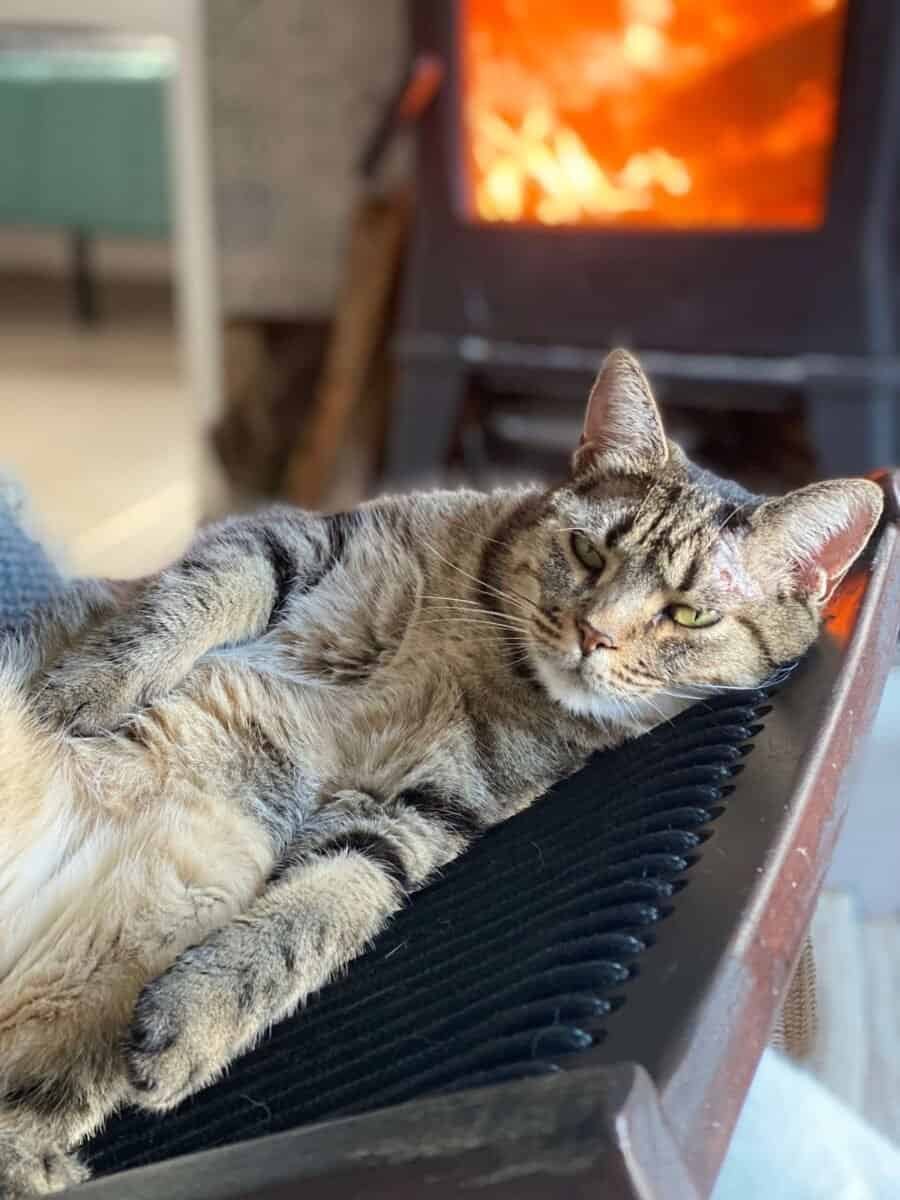
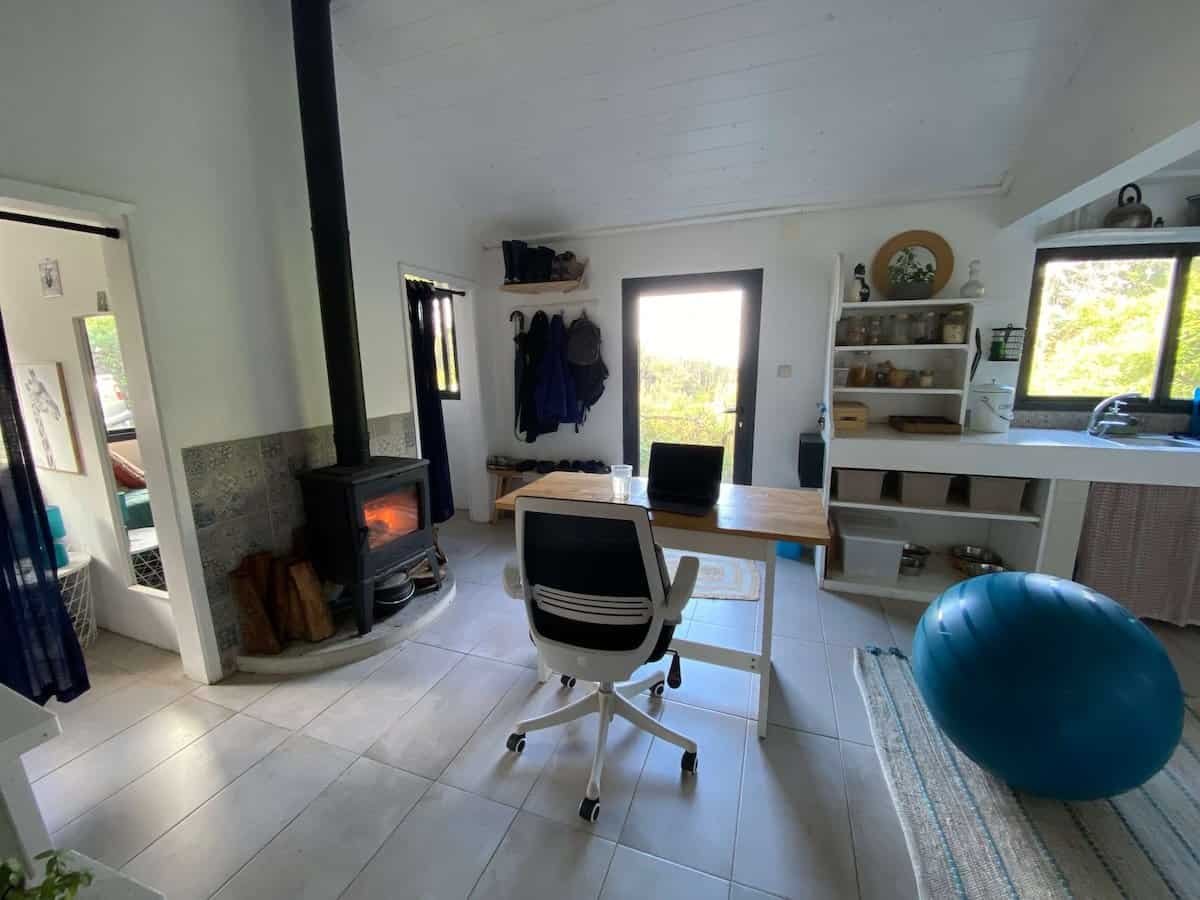
Moving to the Azores is not an extended vacation; nor does it magically translate to living “happily ever after.” Many of us do lead simpler lives here — away from social ills like violent crime and mass consumerism. In other ways, though, we’ve exchanged one set of complexities for another. Those who stay eventually accept this. We stop romanticizing life on a gorgeous island and begin participating in it as it really is: feral. Free like the wind, but not as inexpensive as we thought it would be. Sublimely peaceful and achingly lonely. Deeply rewarding and endlessly frustrating.
Would we do it again? Many of us would say, yes, in a heartbeat. Would we do some things differently? Universally, sim. Would we recommend it to others? Only those up for a lifetime of adventure.
In the words of Portuguese poet Fernando Pessoa, “Tudo vale a pena se a alma não é pequena.” Everything is worth it if the soul is not small.