Nine Islands, Nine Different Worlds. One Extraordinary Archipelago
“The sea with an end can be Greek or Roman: the endless sea is Portuguese.” — Fernando Pessoa
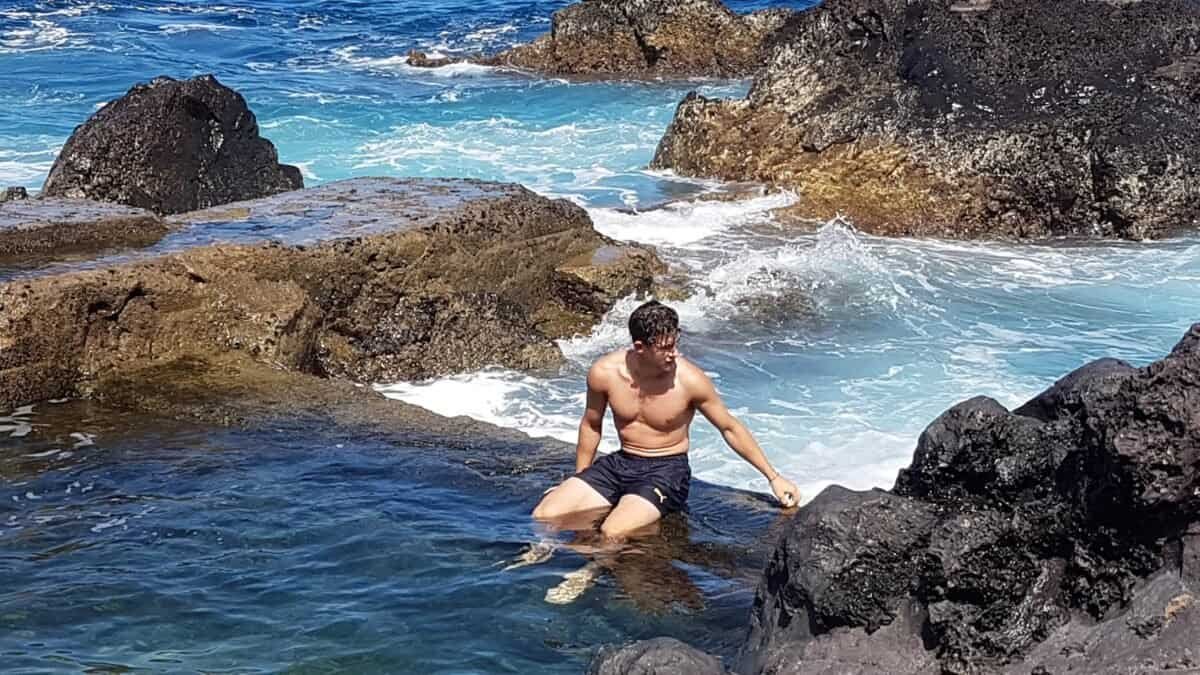
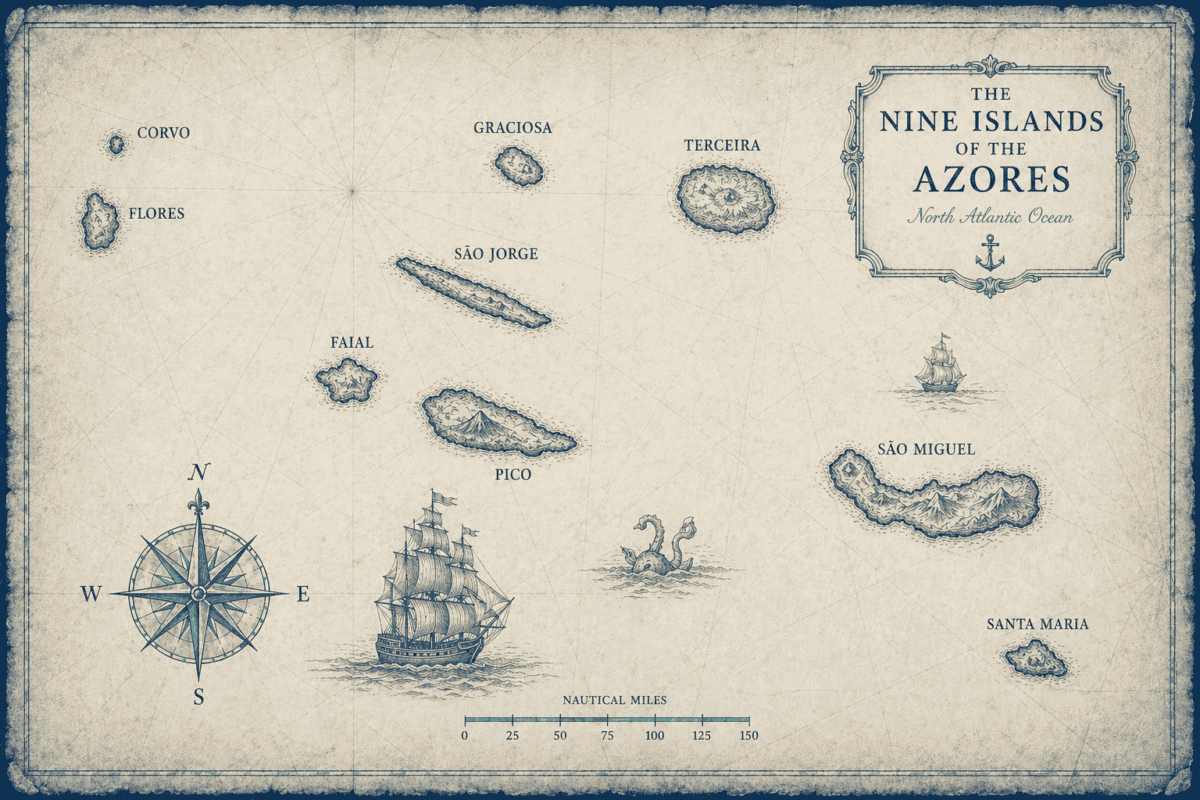
Each island has its own landscapes, traditions, personality, and even weather patterns. Here’s a quick snapshot of what makes each one unique.
Island |
Color Alias |
Description |
|
Black for its dark terrain |
The smallest and most remote island in the Azores, known for dramatic crater, seabirds, and a rare sense of stillness. The whole island is a UNESCO Biosphere Reserve. |
|
|
Pink for its flowers |
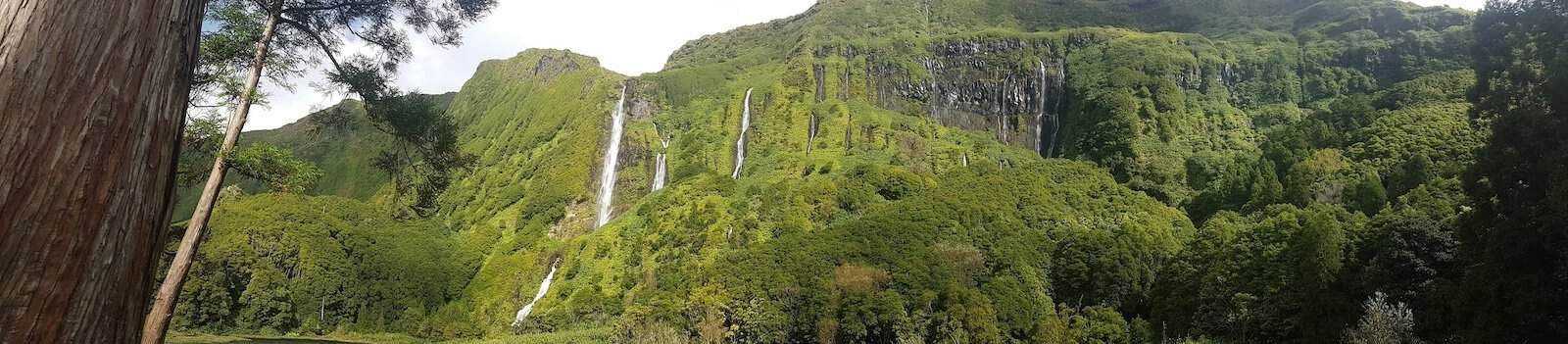
Wild and green with steep cliffs, Flores is famous for its flowers, waterfalls, and some of the archipelago’s most striking scenery. The whole island is a UNESCO Biosphere Reserve. |
|
|
Blue for its flowers |
A cosmopolitan island with a sailor’s soul, Faial blends marina culture and hydrangea-lined roads. The archipelago’s last volcanic eruption occurred here at Capelinhos in 1957. |
|
|
Gray for its dusky terrain |
Dominated by Portugal’s highest mountain, Pico offers famous wines, strong whale heritage, and a lava-sculpted coastline. Its volcanic-vineyard landscapes are a UNESCO World Heritage site. |
|
|
Brown for its fertile soil |
Long, narrow, and high in the center, São Jorge is sometimes called the Dragon Island. It’s is known for its striking fajã landscapes and one of the Azores’ most beloved cheeses. |
|
|
White for its ivory-toned villages and landscapes |
Understated Graciosa invites slow travel with its historic windmills, thermal waters, lava caves, and a gentle breed of donkeys. The whole island is a UNESCO Biosphere Reserve. |
|
|
Purple for its flowers and lilac-toned buildings |
Rich in history, Terceira is home to the colorful city of Angra do Heroismo, another UNESCO World Heritage Site. Its known for having some of the archipelago’s liveliest festivals. |
|
|
Green for its lush landscapes |
The largest and most visited island, São Miguel combines crater lakes, hot springs, gardens, beaches, and some of the archipelago’s top restaurants and resorts. |
|
|
Yellow for the golden tones in the landscape |
Sunnier and drier than its neighbors, Santa Maria is known for its golden-sand beaches, peaceful villages, and quiet trails and roads that are ideal for multi-day treks. |
Where to Next?
Chart your own path through the islands, whether you’re visiting, relocating, or exploring from afar.
Craft Your Adventure
Detailed travel information and itineraries for a range of budgets
Life in the Archipelago
Info on island living, from housing and health to weather, culture, and events
Visit Our Island Library
A treasure trove of stories from the archipelago plus all the latest news
Anchor in the Islands
Get the latest stories and updates