Comparing the 9 Azores Islands
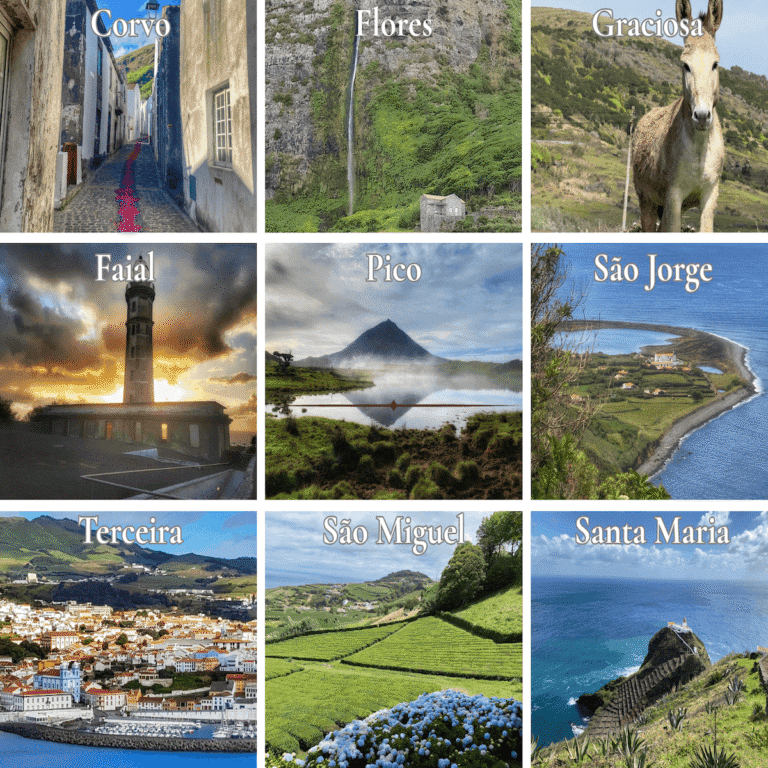
We could write a book comparing the nine Azores islands — and maybe we will. There’s just so much to say on this subject! They have many things in common: they’re all gorgeous, green, volcanic, and surrounded by the same vast ocean.
Spend a little time here, though, and you’ll find that each island has its own distinct vibe. You really get this when you island hop — when you get off the plane or ferry and think, “whoa, this island feels completely different!”
From landscapes and architecture to cultural traditions and cuisine, the islands share a common geological and cultural heritage. Yet natural and human forces have shaped each island in different ways.
Islands like Terceira are large and rounded; others like São Jorge are long, narrow, and mountainous. Flores has abundant natural springs and is much greener than Graciosa, which is dryer than other islands. Cities on São Miguel and Terceira crackle with energy in certain seasons, while those on Santa Maria and Pico exude peacefulness and simple charm throughout the year.
Even the cuisine and the climate vary from one island to the next! Recognizing these differences is the first step toward understanding the archipelago, whether you’re a visitor exploring the islands, a prospective resident, or simply a curious armchair traveler.
Comparing Corvo to Other Islands
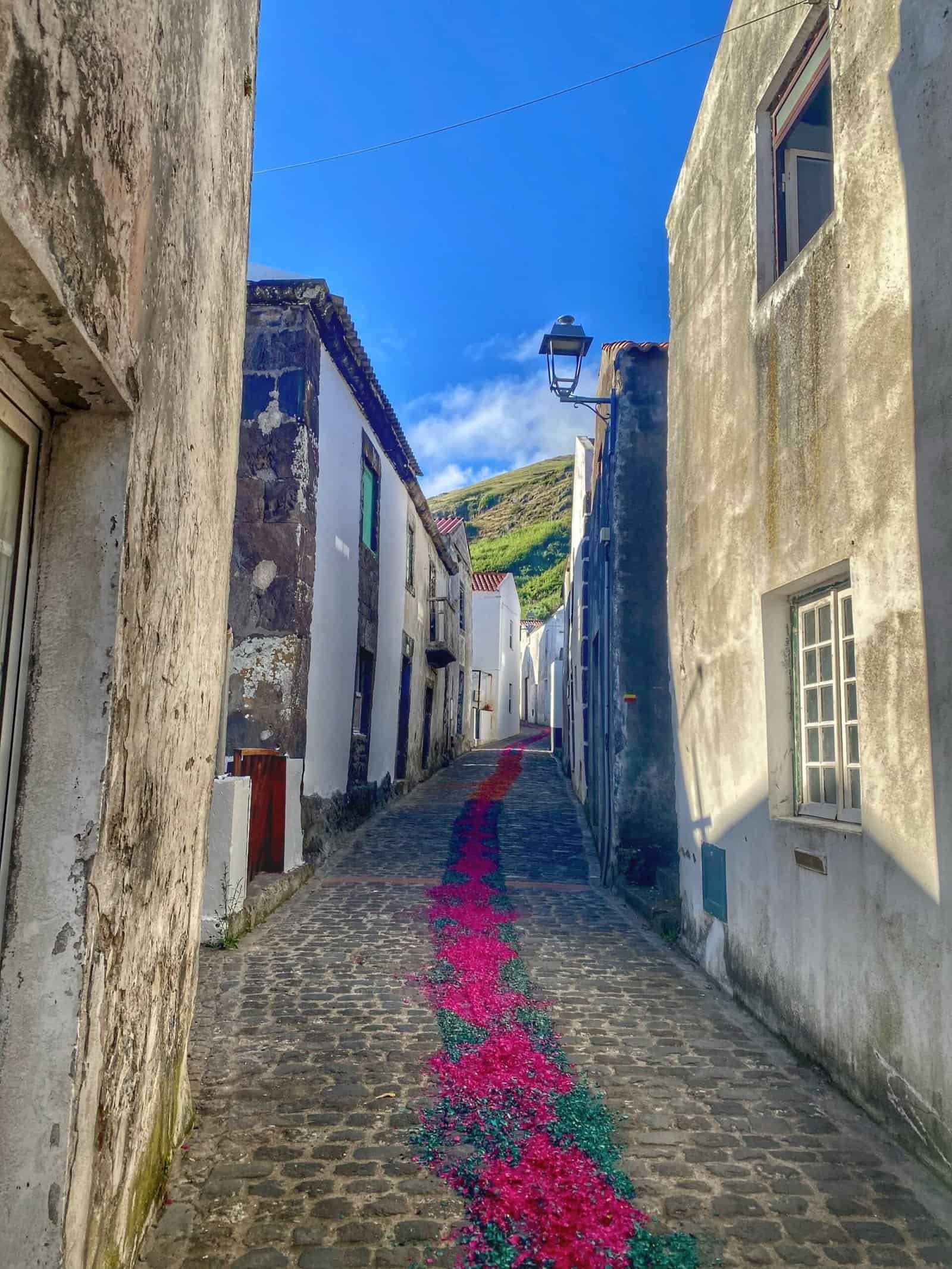
How Corvo stands out from the rest: It’s the smallest and most remote island, where time seems to have stood still.
Tiny in dimensions but big in character, Corvo is the smallest and northernmost island in the Azores, covering just 7 mi² (17 km²) and lying about 15 miles (24 km) north of Flores.
Recognized as a UNESCO Biosphere Reserve and dominated by its spectacular Caldeirão (volcanic crater), this quiet island draws hikers, birdwatchers, and anyone with an appreciation for remote places.
Nearly all of Corvo’s 400 residents live in Vila do Corvo, where whitewashed homes line narrow, car-free streets. Although wonderfully remote, the island is accessible by regular flights from other islands and seasonal ferry service from Flores.
Corvo’s simple way of life, in tune with the rhythms of nature, is increasingly rare — not just in the Azores but on the whole planet. For travelers seeking striking landscapes, authentic local culture, and a true escape from the modern world, no other island feels quite like Corvo.
Top things to do on Corvo:
- Remote travel
- Birding, especially in autumn
- Hiking into the Caldeirão
- Swimming at the black-sand Praia da Areia beach
Comparing Flores to Other Islands
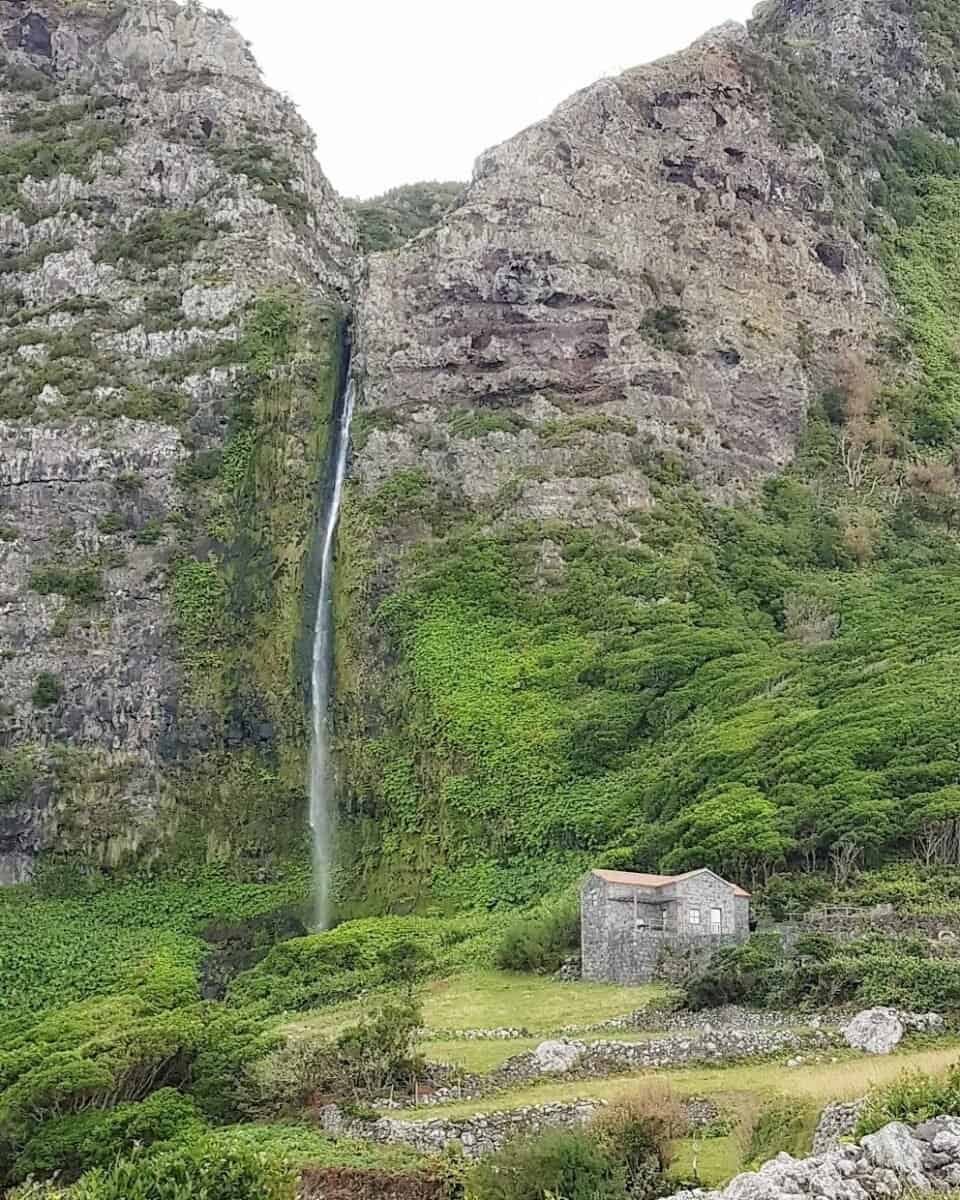
How Flores stands out from the rest: It boasts more waterfalls than any other island and some of the archipelago’s most beautiful crater lakes and natural pools.
At 54 mi² (141 km²), Flores is home to about 3,400 residents. It’s the westernmost land in Europe and also recognized as a UNESCO Biosphere Reserve.
The island is best known for its colorful crater lakes and spectacular waterfalls, some cascading into verdant valleys and others plunging over steep cliffs into the Atlantic.
Hiking trails wind along the coast, through traditional villages and lush landscapes dotted with hydrangeas. Natural pools near Santa Cruz das Flores and Fajã Grande, along with the black-sand beach of Praia da Calheta, provide refreshing places to cool off after a day of exploring.
For those seeking remote escape, exhilarating adventures, and some of the most stunning scenery in the Azores, Flores is a remarkable destination.
Top things to do on Flores:
- Remote travel
- Photography
- Hiking and trekking
- Boat trips to waterfalls and Corvo Island
- Swimming in natural pools
- Canyoning tours
Comparing Faial to Other Islands
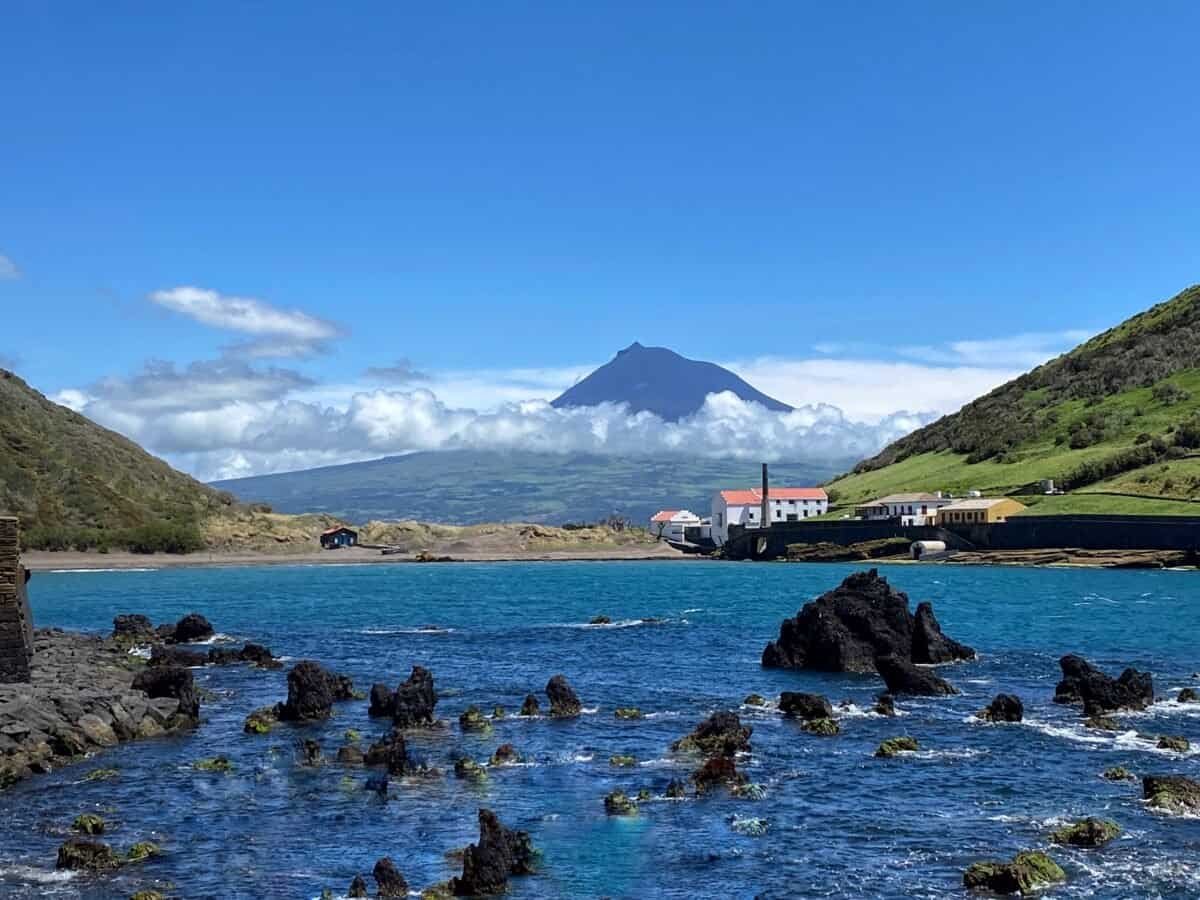
How Faial stands out from the rest: Home to Horta Marina, one of the busiest sailing ports in the world, and Capelinhos Volcano, which erupted in 1957–58.
Covering 67 mi² (173 km²), Faial is home to about 14,500 residents. It’s the epicenter of sailing culture in the Azores, with one of the busiest sailing ports in the world, the colorful Marina da Horta.
But the island’s defining landmark is the otherworldly, Mars-like landscape around the Capelinhos Volcano, which erupted in 1957–58, the most recent eruption in the archipelago. On hikes and scenic drives, visitors can view the reddish terrain around Capelinhos, which contrasts sharply with the sea and surrounding green and black landscape.
Those interested in volcano tourism, maritime history, sailing culture, and year-round Atlanticoline ferry access to Pico and São Jorge will find much to love about Faial.
Top things to do on Faial:
- Visiting the Horta Marina and famous Peter’s Cafe Sport sailing bar
- Exploring Horta, a cosmopolitan small city
- Hiking around the caldeira, along the coastline, and in the forests
- Swimming in natural pools and at four different beaches
- Whale watching
- Day trips to Pico and São Jorge
Comparing Pico to Other Islands
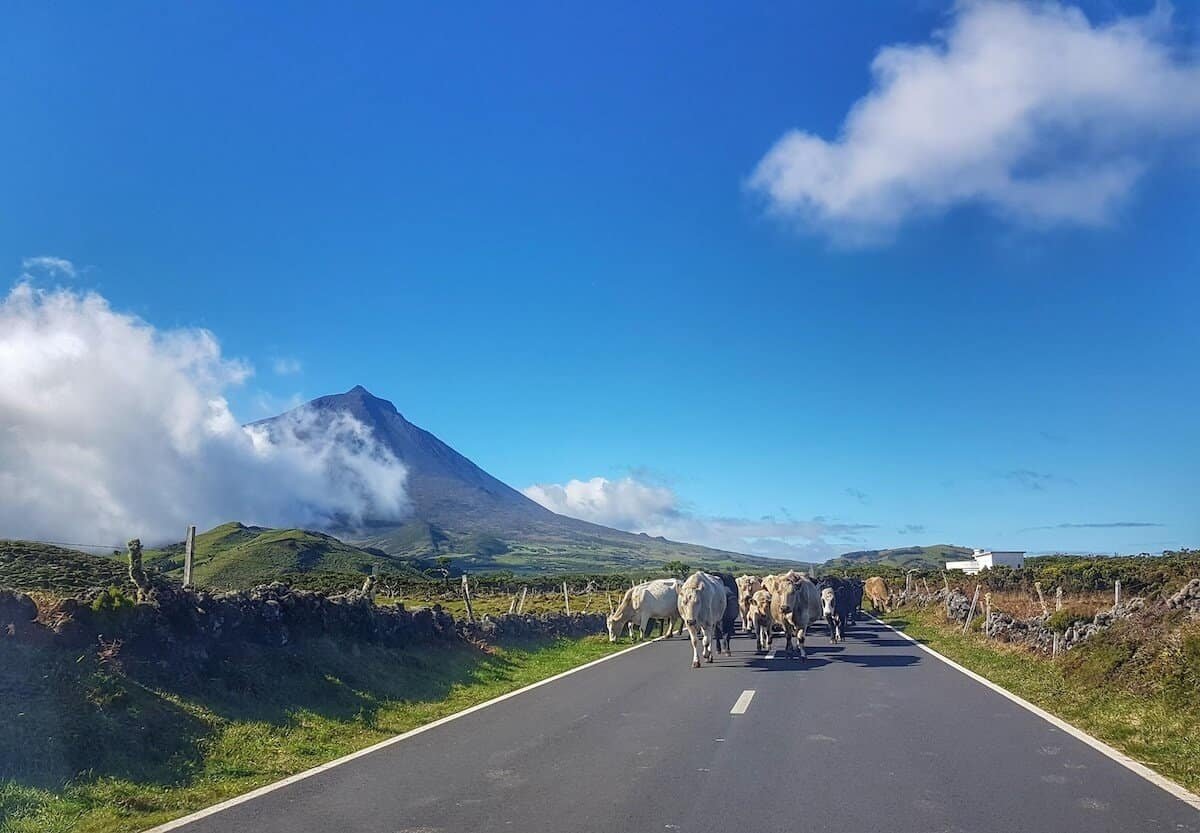
How Pico stands out from the rest: It’s home to UNESCO World Heritage vineyards and Portugal’s tallest mountain.
At 172 mi² (446 km²), Pico is the second-largest island, with around 13,700 residents. Dominated by Mount Pico, Portugal’s highest peak, the island is renowned for its UNESCO World Heritage vineyards, where generations of winemakers have cultivated grapes within lava-stone enclosures to protect them from wind and salt spray.
Pico was once a key player in the Azores’ whaling industry, but today, it focuses on world-class whale-watching excursions. It’s one of the most rewarding islands for hikers, particularly those aiming to climb Portugal’s tallest mountain.
Gourmands will appreciate its emerging culinary scene, with a growing number of wine-tasting experiences and some truly exceptional farm-to-table restaurants.
With year-round Atlanticoline ferry service between Faial, São Jorge, and Pico, the island also makes an excellent base for exploring the Central Group of islands.
Top things to do on Pico:
- Climbing Mount Pico
- Walking and biking
- Wine tasting and culinary experiences
- Whale watching
- Swimming in natural pools
- Photography
- Scenic drives
- Day trips to Faial and São Jorge
Comparing São Jorge to Other Islands
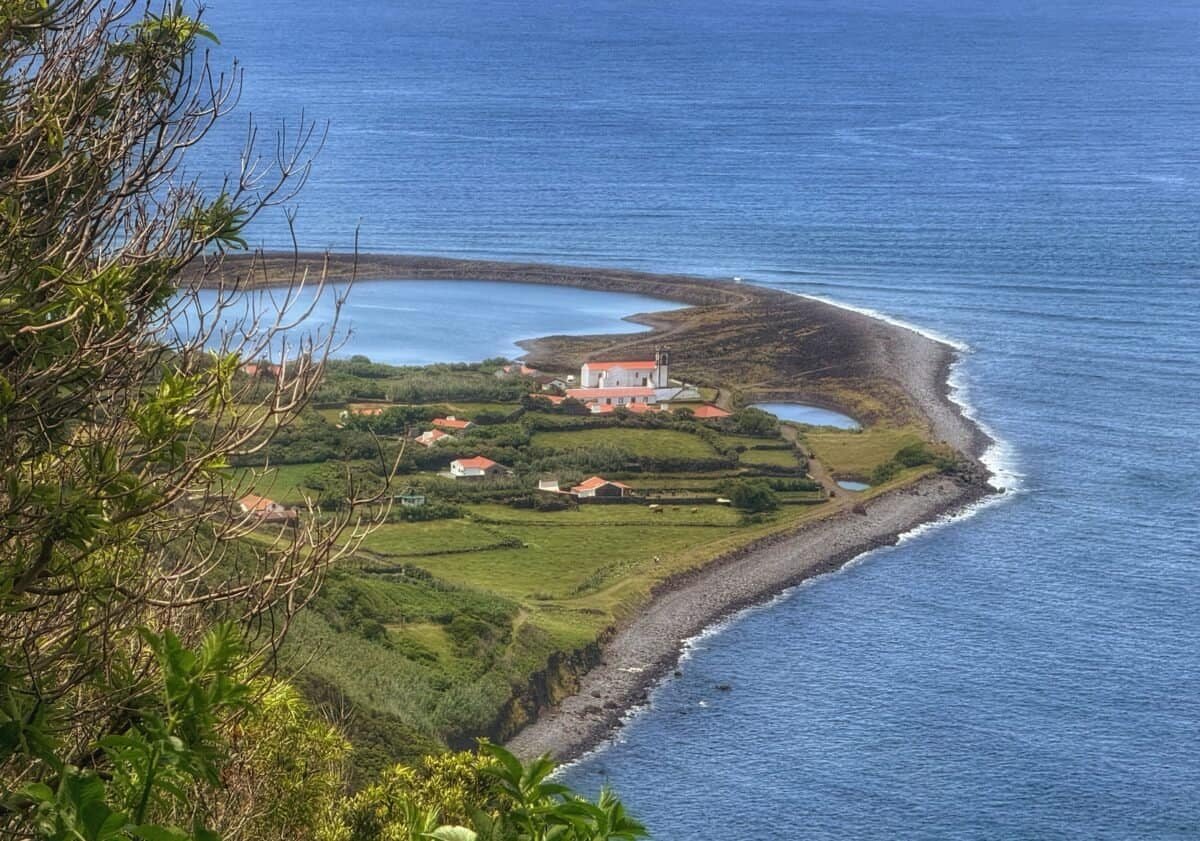
How São Jorge stands out from the rest: Its coastal fajãs, clams, and piquant cheeses are distinctive in the archipelago.
Dragon-shaped São Jorge encompasses 95 mi² (246 km²) and is home to about 8,400 residents. Long, narrow, and high in the center, São Jorge is renowned for its breathtaking fajãs — flat coastal plains that have resulted from landslides cascading down steep cliffs.
Its rugged terrain makes it one of the best islands for outdoor adventures like hiking, canyoning, coasteering, and swimming in natural pools like Poço Simão Dias. Some hiking trails start in misty highlands and descend steep, forested escarpments; others connect storybook villages along the coast, some of which can only be reached on foot.
The island’s food scene stands out, too: it’s the only island that cultivates clams, and its distinctive cheeses are among the most celebrated in the archipelago.
Combining spectacular scenery, outdoor adventures, culinary experiences, and some of the archipelago’s most remote and beautiful villages, São Jorge is a one-of-a-kind island in the Azores.
Top things to do on São Jorge:
- Outdoor adventures like hiking, canyoning, and coasteering
- Visiting unique landscapes and remote villages
- Culinary experiences
- Swimming in beautiful natural pools
- Day trips to Faial and Pico
Comparing Graciosa to Other Islands
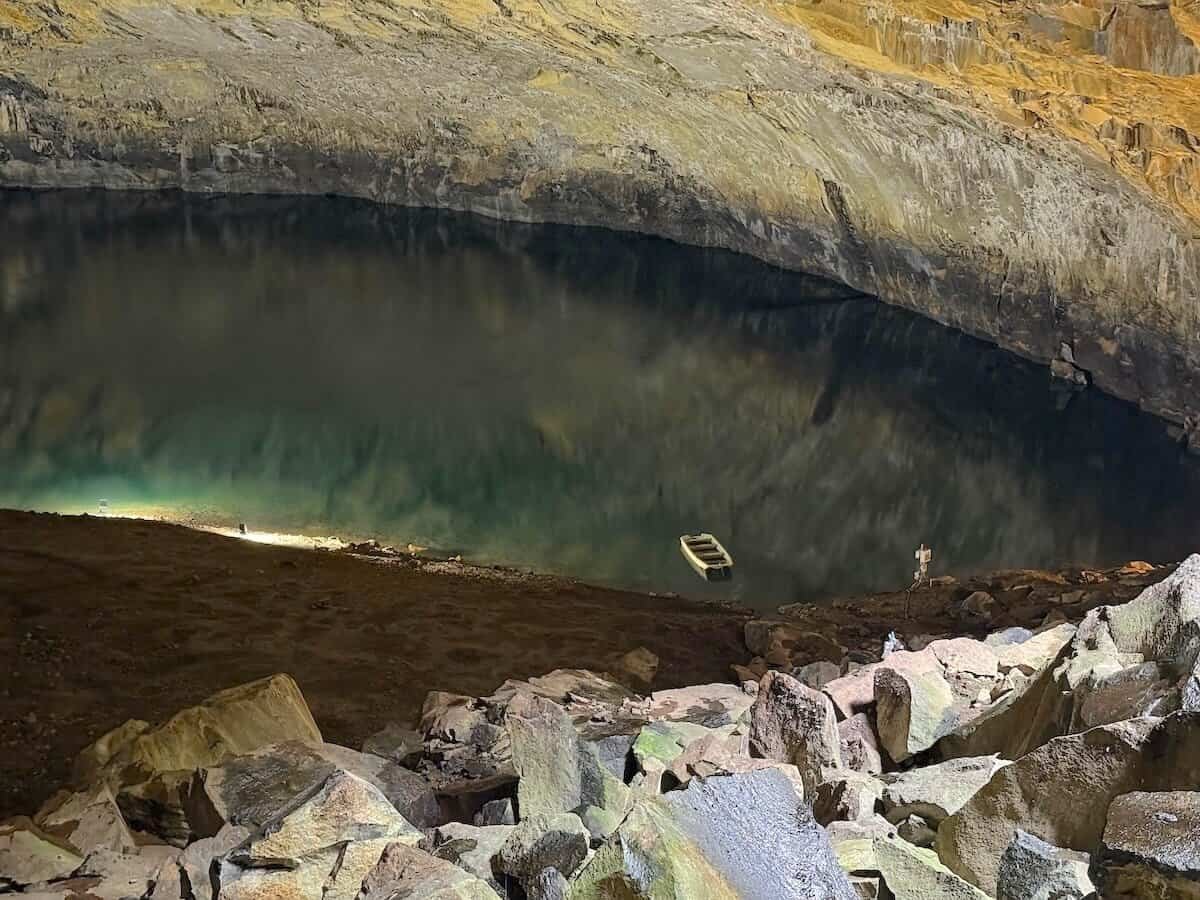
How Graciosa stands out from the rest: Its a smaller island known for its enormous lava cave, rustic villages, picturesque windmills, and fields of garlic. It’s the only island besides São Miguel with hot springs you can soak in.
Covering 24 mi² (62 km²), Graciosa is one of the smaller islands, home to only around 4,000 residents. Known as the White Island for its light-colored volcanic landscapes and traditional whitewashed villages, it’s recognized as a UNESCO Biosphere Reserve, like Corvo and Flores.
The island’s centerpiece is Furna do Enxofre, an enormous volcanic cave with an underground lake and bubbling fumaroles at the heart of Caldeira da Graciosa Natural Monument. The natural hot-spring pool at Carapacho and the Barro Vermelho red sand beach are some of Graciosa’s other natural wonders.
Visitors can take walks and scenic drives to explore the island’s diverse landscapes as well as its distinctive windmills, peaceful villages, friendly breed of donkeys, and garlic fields. For travelers seeking a mix of fascinating volcanic geology, tranquility, and authentic Azorean culture, Graciosa is a wonderful escape.
Top things to do on Graciosa:
- Scenic strolls and drives through rustic villages
- Staying in iconic windmill accommodations
- Visiting Furna do Enxofre
- Swimming in the thermal pool at Carapacho
- Swimming in other natural pools around the island
Comparing Terceira to Other Islands
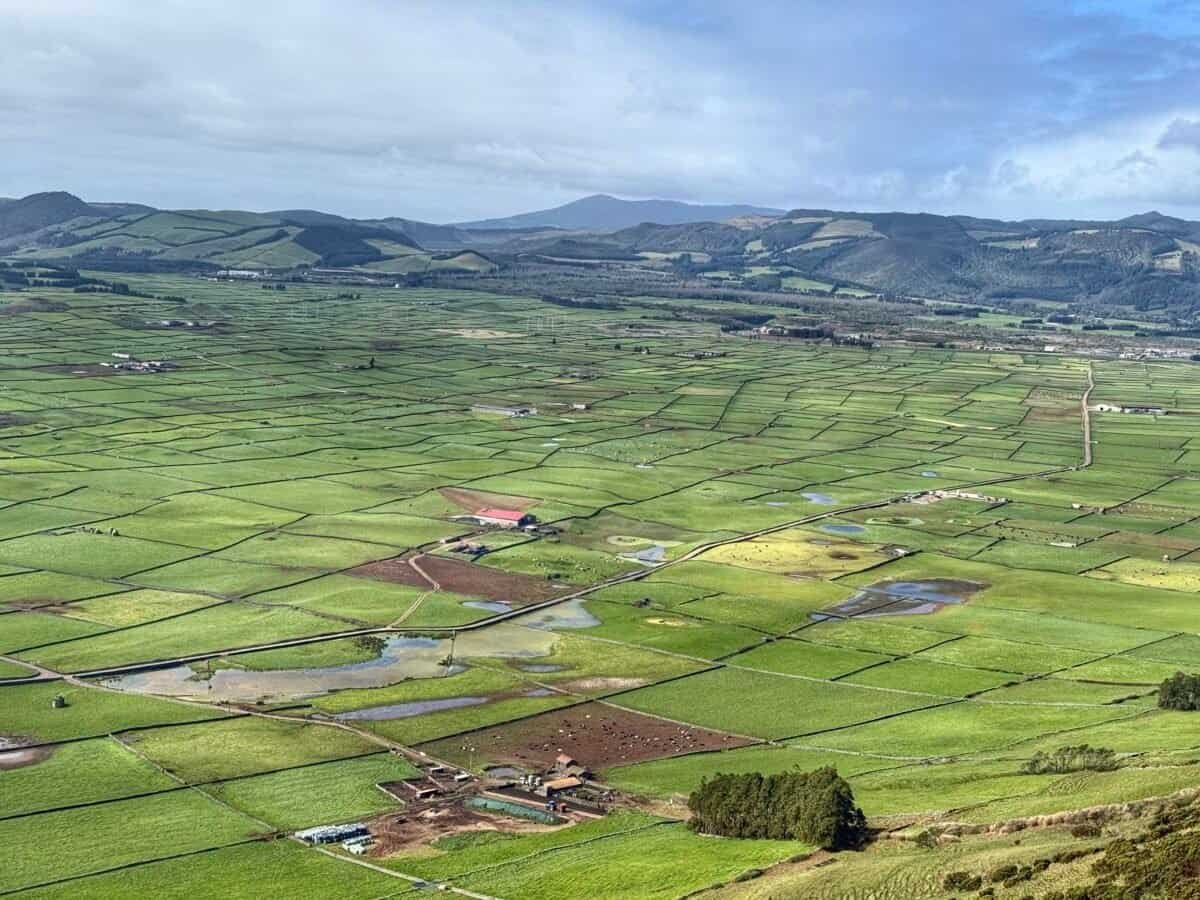
How Terceira stands out from the rest: It’s the festival island! It’s also the Azores culture capital and has the most vibrant city, Angra do Heroismo.
Covering 155 mi² (402 km²), Terceira is the third-largest island and second most populous after São Miguel. It’s home to about 56,000 residents and best known for the UNESCO World Heritage city of Angra do Heroísmo, whose colorful buildings, historic fortifications, and maritime legacy reflect centuries of Atlantic exploration. Its Lajes Airport (TER) is the second-busiest in the Azores after Joao Paulo II (PDL) on São Miguel.
Beyond the capital, visitors can explore the island’s volcanic caves, natural pools, black-sand beaches, and its distinctive patchwork of green pastures, made famous from viewpoints like Serra do Cume. Terceira is also home to the largest native forest in the archipelago — so dense and green it’s as if you walked into a fairytale.
Terceira is also celebrated for its rich culinary traditions and deep-rooted cultural heritage, which come alive during its festivals. These include traditional festivals and bullfights in summer and dozens of other events throughout the year, many with religious themes.
Those interested in the cultural side of the Azores — its history, architecture, festivals, and cuisine — would do well to choose Terceira.
Top things to do on Terceira:
- Visiting Angra do Heroismo
- Festivals
- Scenic drives
- Visiting forests and volcanic caves
- Swimming in natural pools
Comparing São Miguel to Other Islands
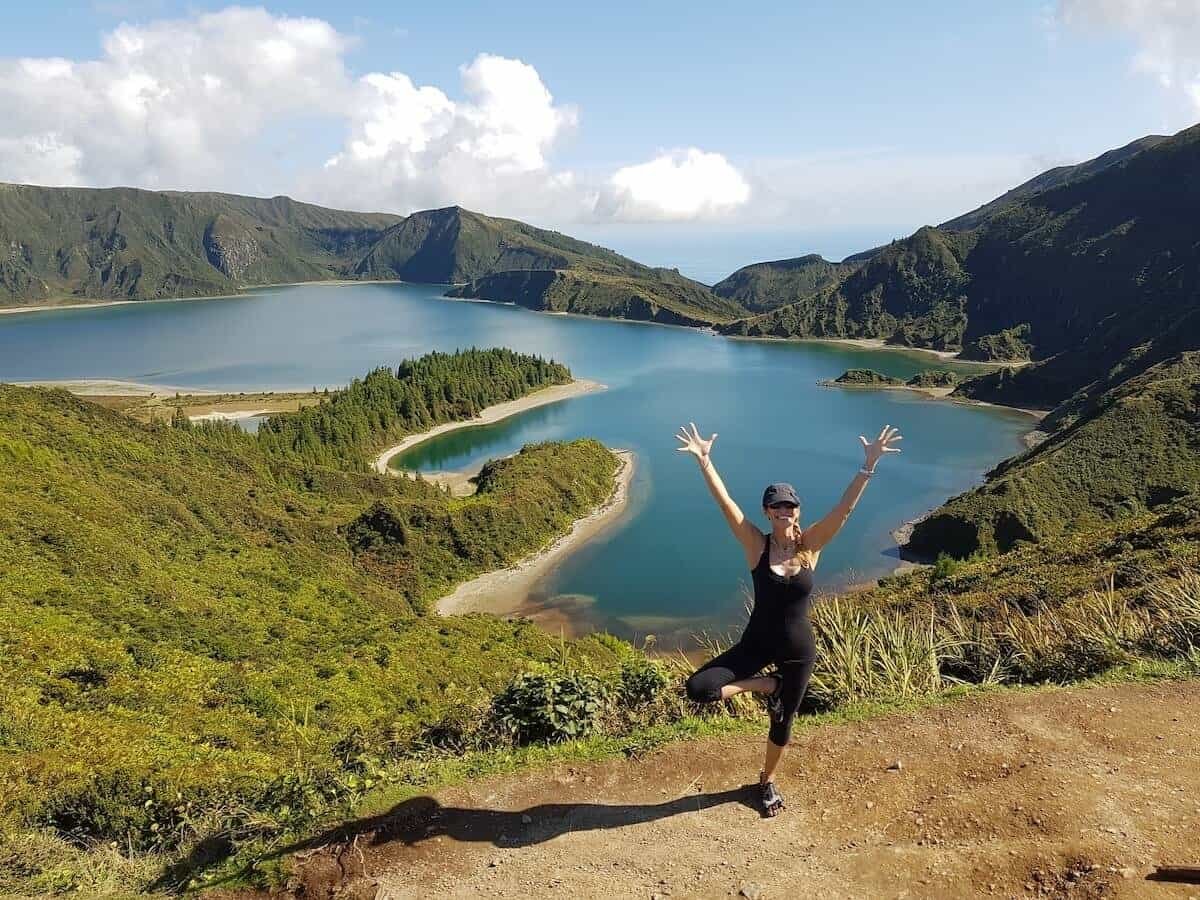
How São Miguel stands out from the rest: It’s the largest and most diverse island, with some of the archipelago’s most iconic sights.
At 290 mi² (760 km²), São Miguel is the largest island in the Azores and home to about 139,000 residents. Ponta Delgada, the main city, serves as the gateway not just to the island but to the entire archipelago. Its Sao Joao Paulo II Airport (PDL) is the busiest by far in the archipelago, receiving international flights from Europe, the U.S., and Canada.
Sao Miguel offers an extraordinary diversity of landscapes, from the colorful crater lakes of Sete Cidades and Lagoa do Fogo to waterfalls, rugged coastlines, natural pools, scenic beaches, and the Furnas geothermal valley.
There list of things to do here seems endless: soaking in natural hot springs, watching whales and dolphins, hiking to waterfalls and around crater lakes, exploring seaside towns, and sampling everything from locally grown tea and pineapple to fresh seafood and innovative Azorean-themed cuisine. The island also boasts some of the most luxurious resorts in the archipelago.
For travelers seeking the greatest variety of experiences in one destination, São Miguel is it — the perfect introduction to the nine islands.
Top things to do on São Miguel:
- Visiting the famous crater lakes
- Visiting the Furnas geothermal valley
- Soaking in hot springs
- Visiting tea plantations
- Hiking and canyoning
- Swimming and surfing
- Whale watching
- Culinary experiences
- Luxury resorts
Comparing Santa Maria to Other Islands
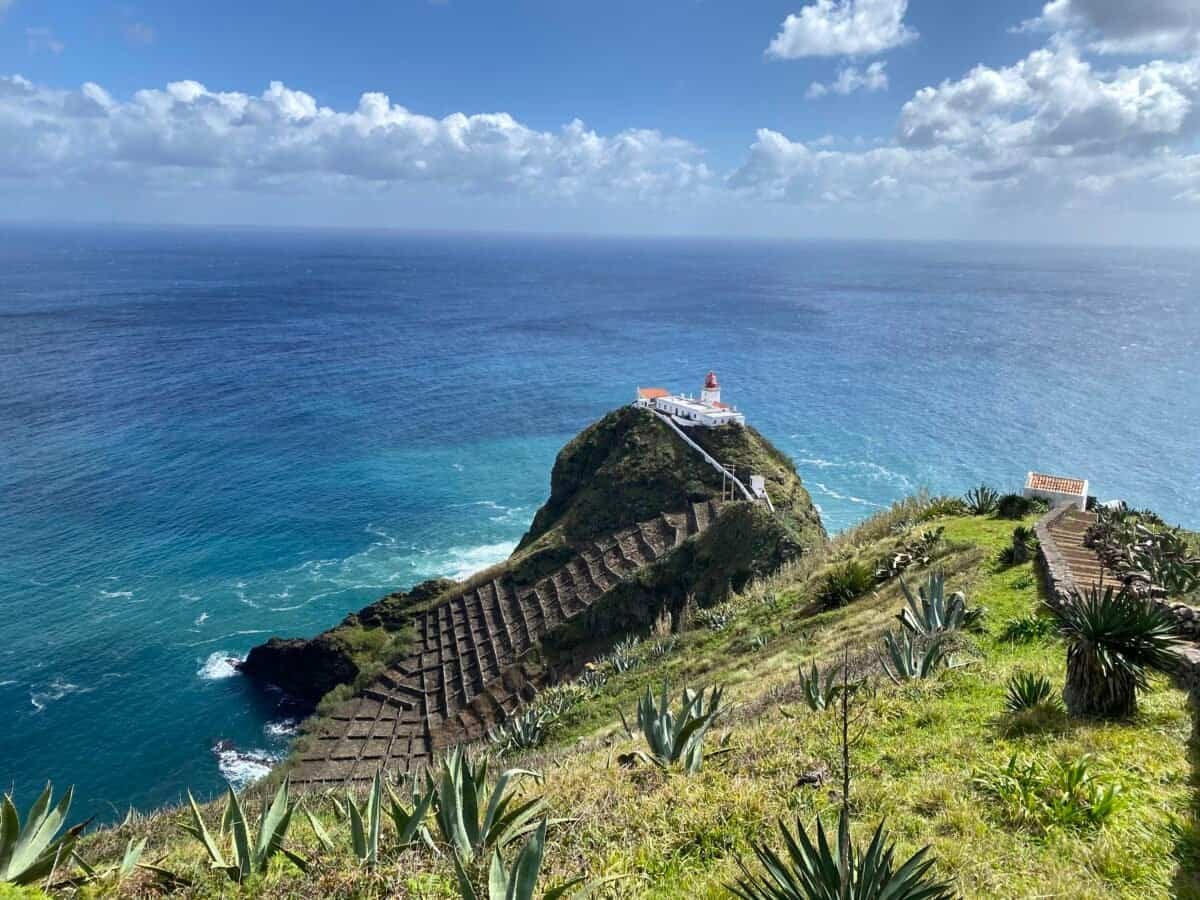
How Santa Maria stands out from the rest: It is known for having the warmest climate and the most beautiful beaches in the archipelago.
Covering 38 mi² (97 km²), Santa Maria is a smaller island, home to about 5,500 residents. It enjoys the driest and warmest climate in the Azores and is famous for its golden-sand beaches, distinctive red desert landscape at Barreiro da Faneca, and excellent conditions for swimming and diving.
Visitors can hike scenic coastal trails — including one that wraps all around the island. They can also explore storybook villages and enjoy water-based adventures like swimming, snorkeling, and free diving in crystal-clear waters.
Those seeking a milder climate, beautiful beaches, long walks, and a slower pace of life should consider Santa Maria. It’s one of the Azores’ most relaxing destinations.
Top things to do on Santa Maria:
- Hiking and multi-day trekking
- Spending time on the beach
- Watersports
- Scenic drives
- Visiting storybook villages
Which Azores Island Resonates with You?
There isn’t a “best” island in the Azores — only the one that speaks to you. Whatever your style, one thing is certain: each island offers a different window into this remarkable archipelago. And once you’ve discovered one, chances are you’ll find yourself wanting to explore them all.