My Love Affair with Pico Island
Pico may be my favorite Azores island, but don’t tell Faial I said that.
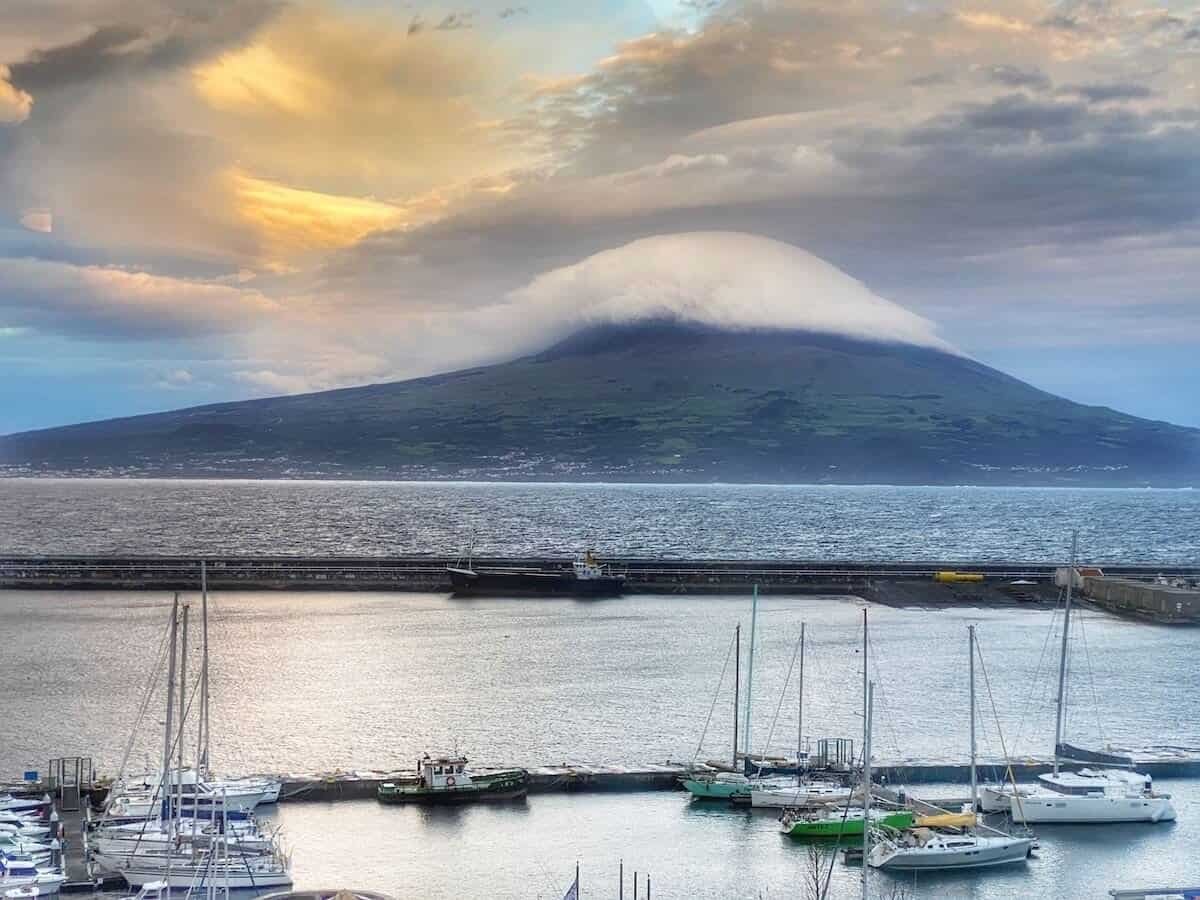
There’s so much to love about Faial, where I’ve been living for the past seven years. My farmhouse is nestled in a forest on Faial’s northwest tip, where I enjoy a solitude that’s rare these days, even in the Azores. Only 15 miles away is Horta, home to the archipelago’s busiest yacht harbor.
But when I see Pico Mountain gazing at me from across the channel — wearing her cloud beret sometimes — I feel torn between two worlds: between Faial’s emerald hills and Pico’s exotic mountain, the tallest in Portugal at over 7,000 feet. Between Faial’s familiar order and Pico’s dark mysteries.
Some might raise an eyebrow at my lack of loyalty to my home island. But when Pico beckons me, I can’t resist her charms.
In the Shadow of a Mountain
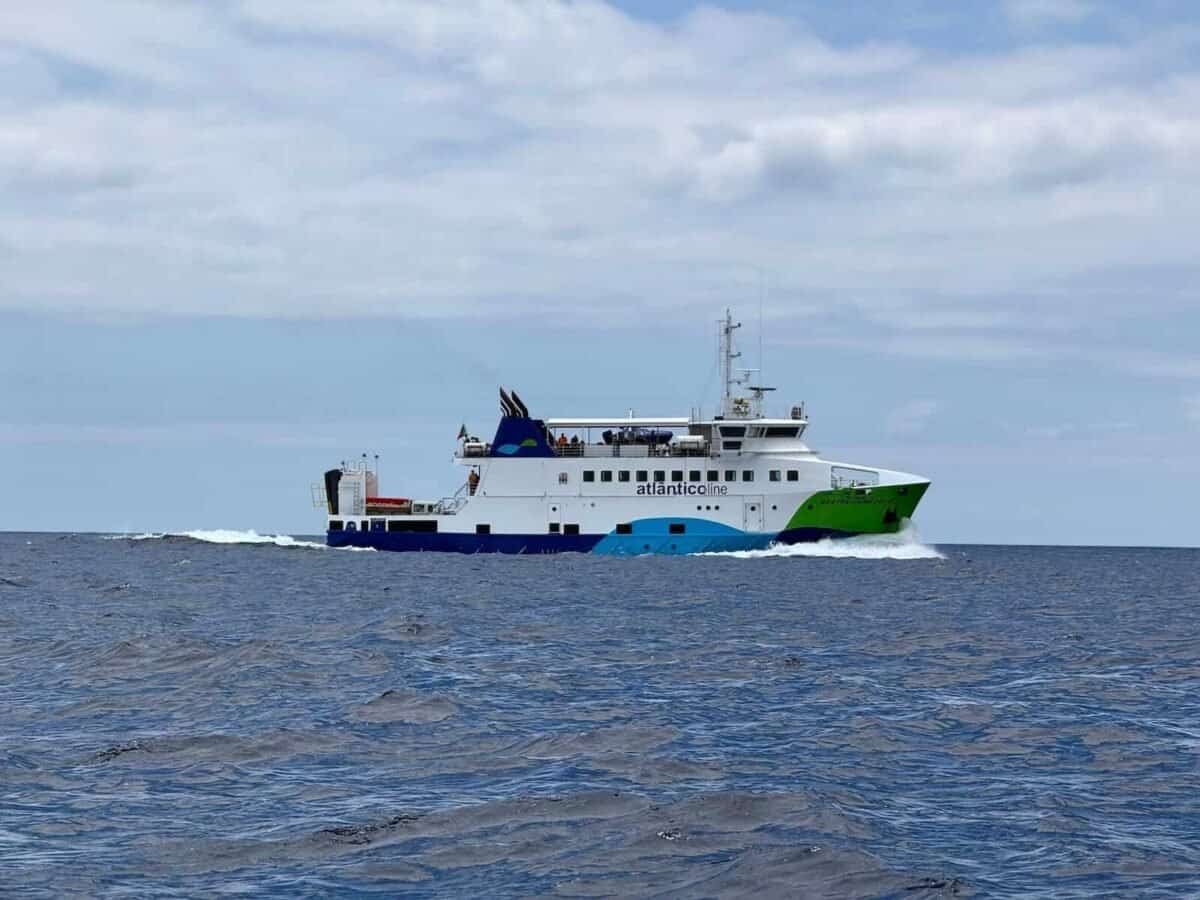
The ferry crossing between Horta and Madalena takes only 30 minutes. Madalena is Pico’s biggest town, though only around 6,000 people live here. Towering over the enclave is Pico Mountain, her broad flanks resting on the light-green landscape.
It’s noticeably calmer and quieter on this side of the channel. In Horta, a clock tower chimes regularly. It’s been doing so since the 1700s, attuning its residents to the outside world. Madalena, meanwhile, is slower and more inward looking — forever deferential to its mountain.
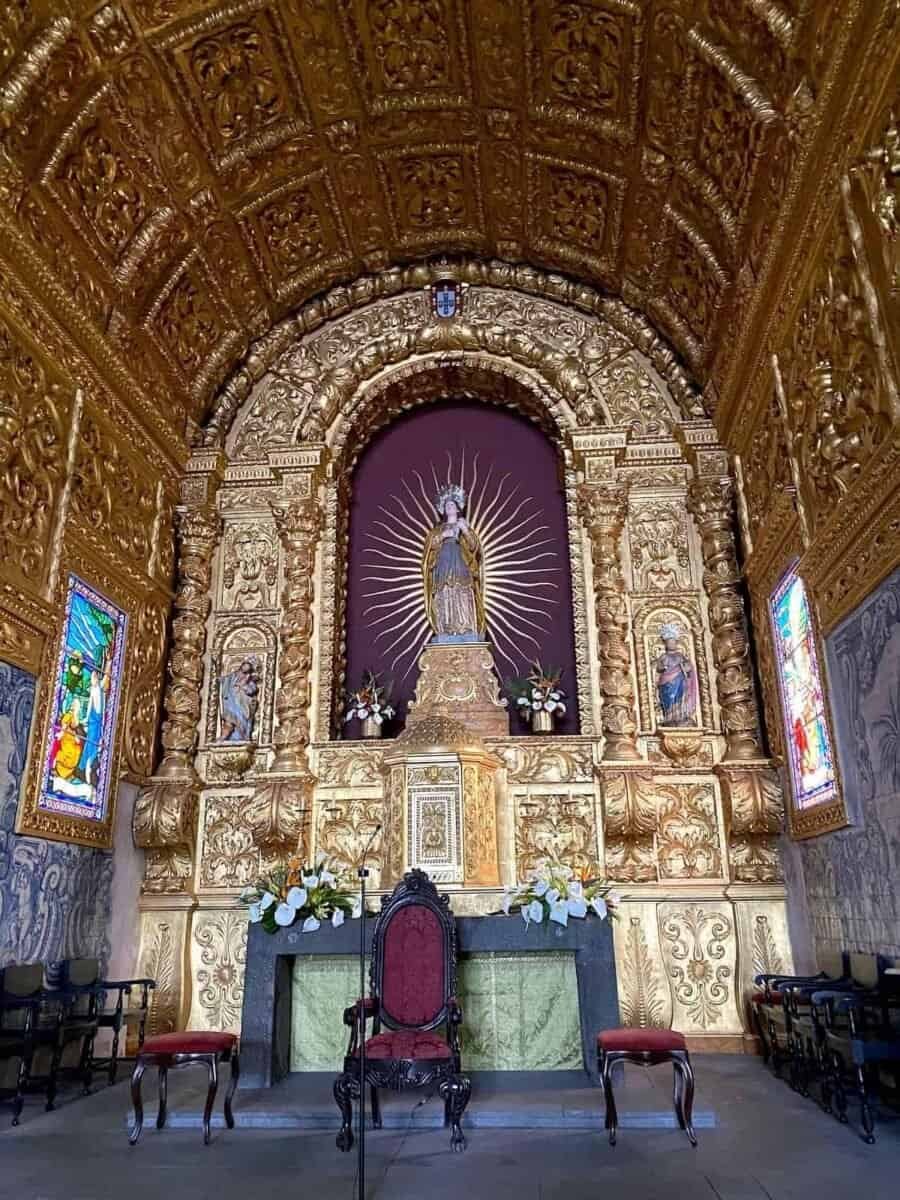
Across the street from the ferry terminal is the town’s spiritual focal point: the Igreja de Santa Maria Madalena, which also happens to be Pico’s largest church. I go to sit inside for a few minutes, bathing in the silence. Behind the altar, Mary Magdalene stands against a rich purple background, radiating golden spears of divinity. I suspect that she and the mountain are in on something.
A few minutes south of downtown, Saca Tapas (formerly the Atlântico Tea and Wine House) is tucked into a hidden courtyard. I stop here to grab a coffee and some absurdly decadent coconut cake. Normally, I only have cake at birthday parties. But on Pico, I’m irreverent, even though I’ve just come from church.
Southern Coast Vineyards
Just south of Saca Tapas, whitewashed buildings give way to plateaus of lava rock, spread along the coastline like a charcoal meringue: smooth in some spots, jagged and crumbly in others. Pico’s youth is unmistakable here. At only 300,000 years old, it’s the baby of the volcanic archipelago.
On the other side of the road is one of the Azores’ most famous inventions: the sprawling rock lattice of Criação Velha, part of Pico’s UNESCO World Heritage Vineyard Landscape. Linear rows of rock cubicles (currais) cover this landscape as far as the eye can see. Each sun-warmed cubicle (curral) surrounds a cluster of grapevines, protecting it from wind and sea spray and acting as an incubator during the cool nights.
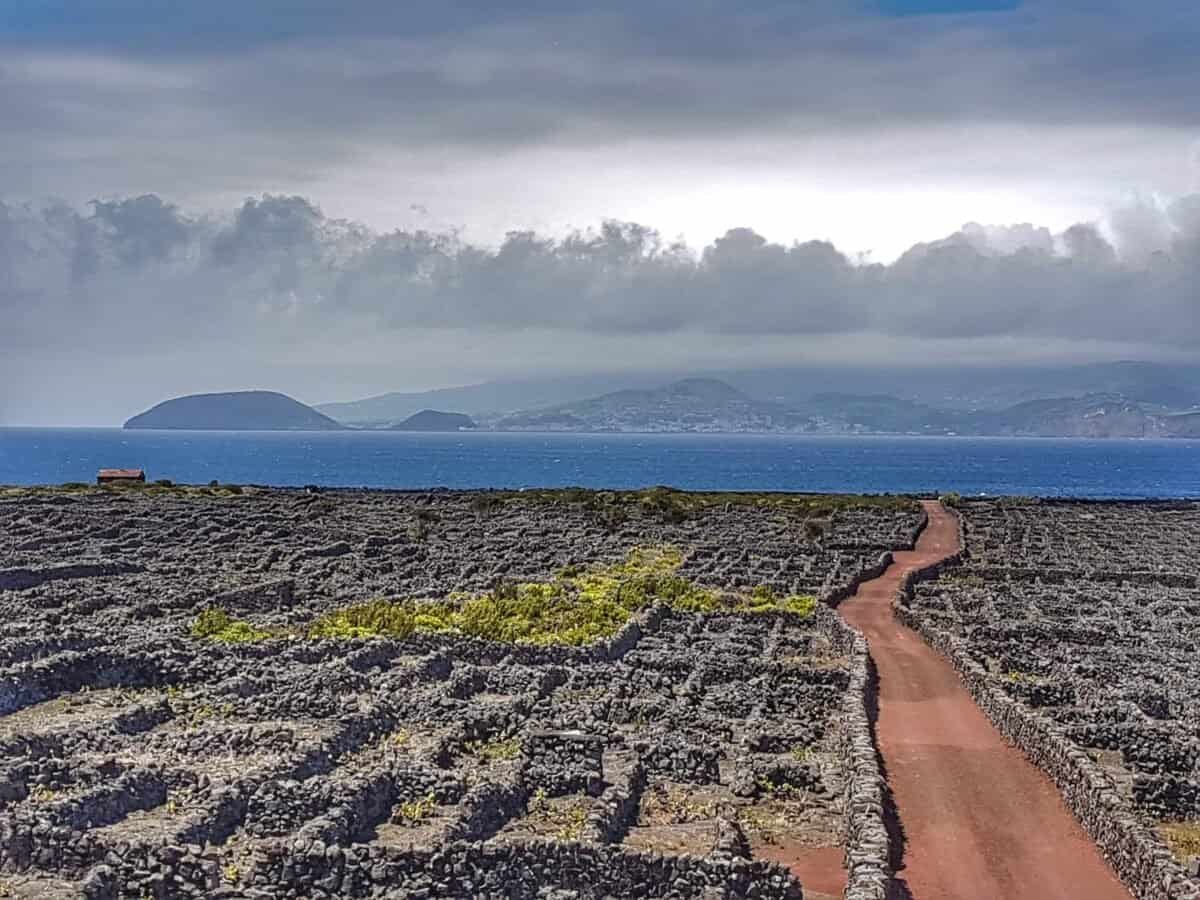
As I stroll through the currais, I marvel at the labor-intensiveness of this undertaking. Faial has its clock hands, whereas Pico’s hands are wholly human.
For half a millennium, the people of Pico — the picarotos, as they’re known in the islands — have been molding this rugged coastal plain and coaxing it to bear fruit. This agricultural feat has become known as the “Pico miracle.”
Besides farming acumen, these people must have had, must still have, remarkable hands: strong, determined, and deeply intimate with the earth. Starting in the late 1400s, the picarotos began the monumental task of preparing Pico’s land for viniculture. This required clearing the fields, gathering rocks, and painstakingly constructing each curral. They then had to plant vines in each and every nook, nurture the plants over the seasons and prune them, and ultimately, pluck each grape: vine by vine, acre by acre, across hundreds of years.
By the end of the 18th century, an estimated 20,000 to 30,000 acres of currais on Pico supported the production of prestigious Verdelho wine, and winemaking had exploded to become the island’s main economic engine. The market for the elixirs extended far beyond the Azores, to North and South America and the European mainland, including Russia — where the tsars poured Pico wines at their royal banquets.
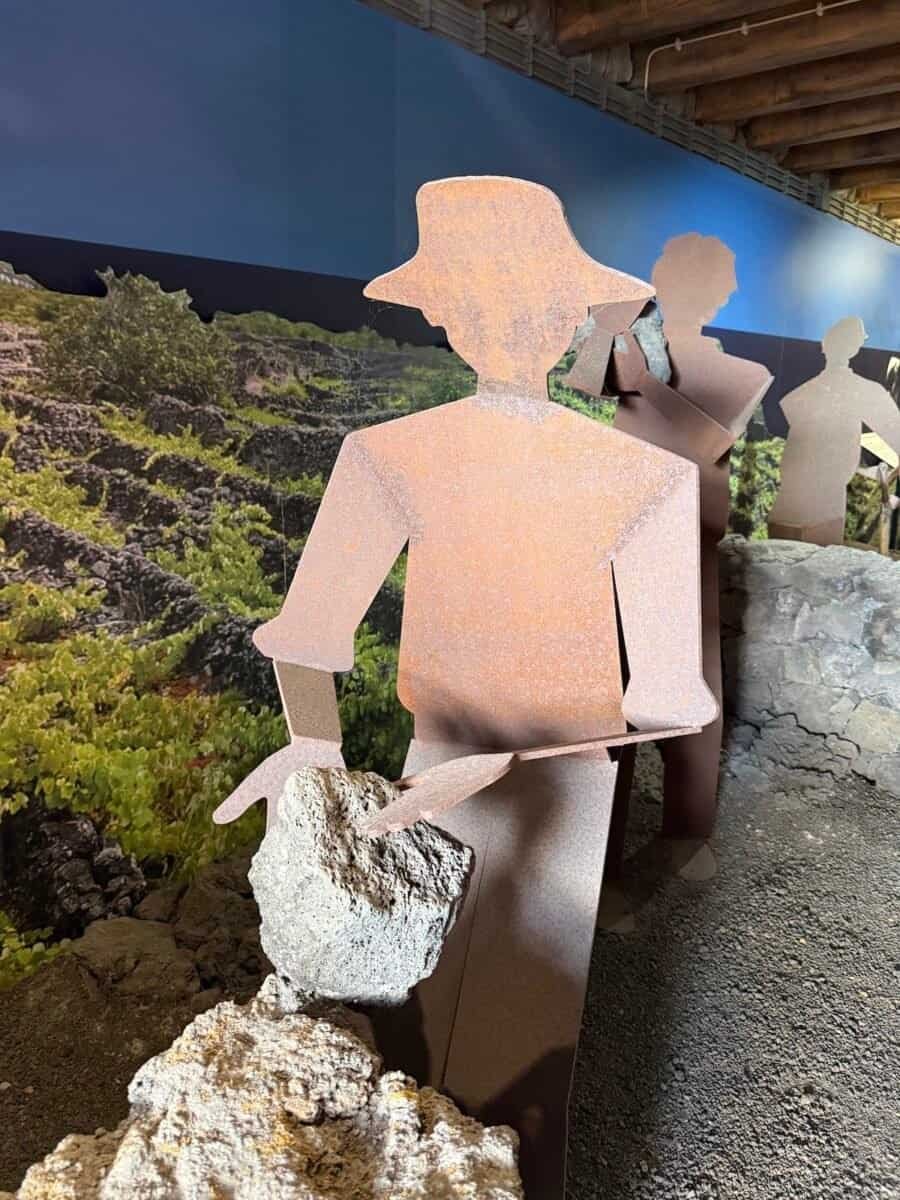
Stone — over the earth, beneath the earth, overflowing from the earth in the ocean’s abysses! … But the wretches held their heads high. They were men. They succumbed — but fighting, arms tensed and hands clasped, the great battle against the black stones of the island.
José Dias de Melo, Pedras Negras
After its heyday in the 18th and 19th centuries, Pico’s wine industry shrank considerably due to several devastating blights, followed by waves of emigration. But the vineyards still flourishing today bear witness to generations of picarotos — and their hands.
From Vine to Table
When it’s time to enjoy the fruits of the “Pico miracle,” I visit a few cherished tables around the island. Pico has a surprising number of wonderful wineries and restaurants, but these are the ones that call to me from across the channel.
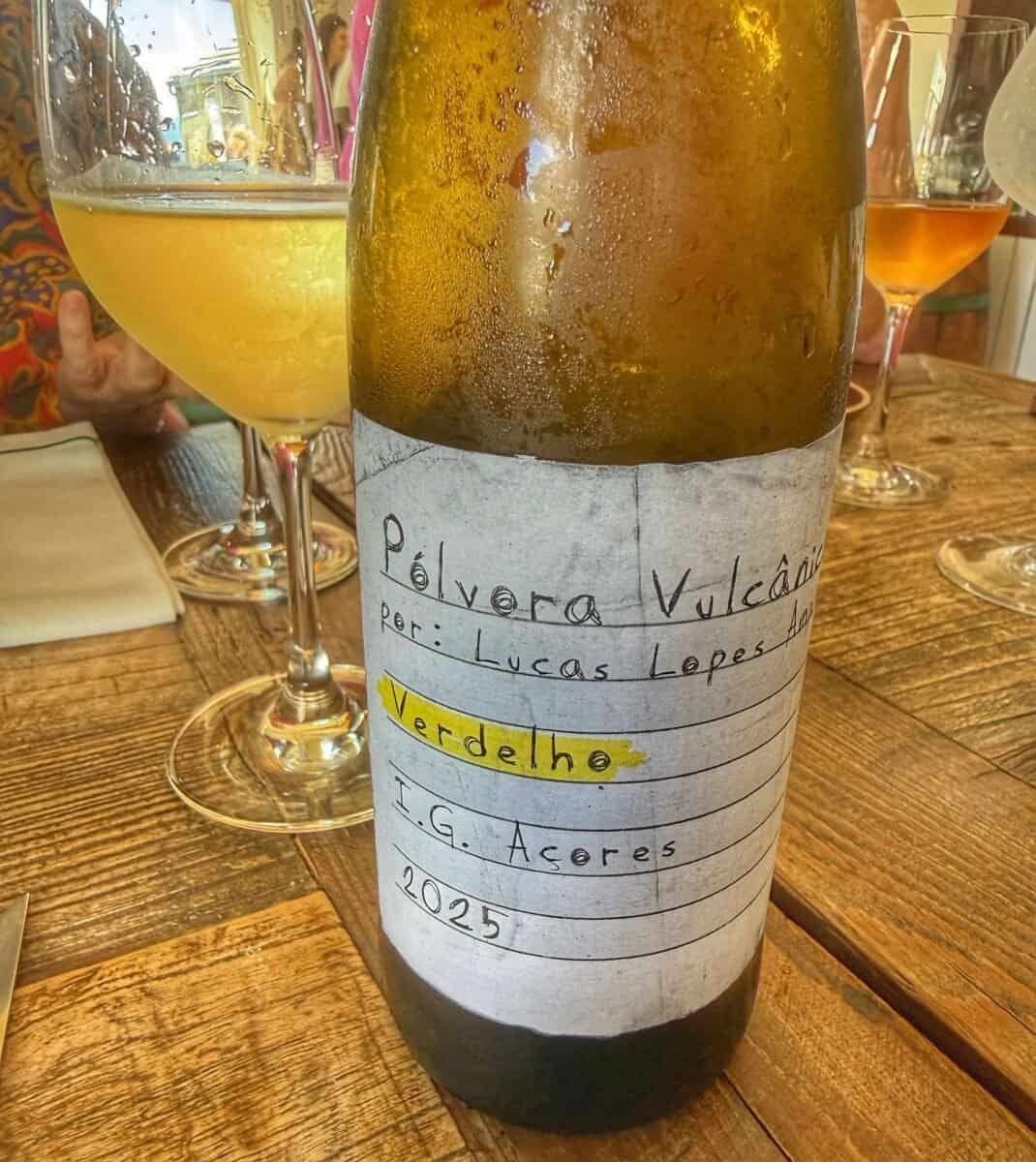
Farther along the southern coast in the village of Candelária is an up-and-coming winery, the Vitivinícola Lucas Lopes Amaral. As Criação Velha is a reminder of Pico wine’s golden past, this place is a toast to its future.
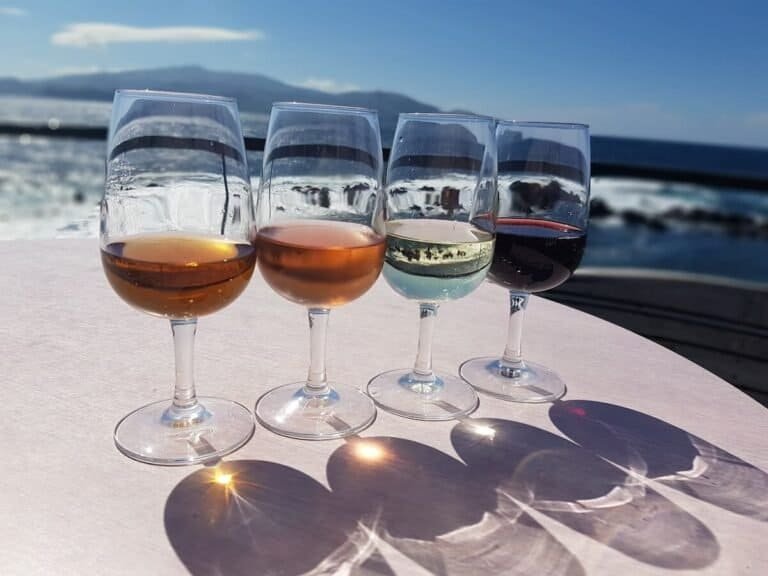
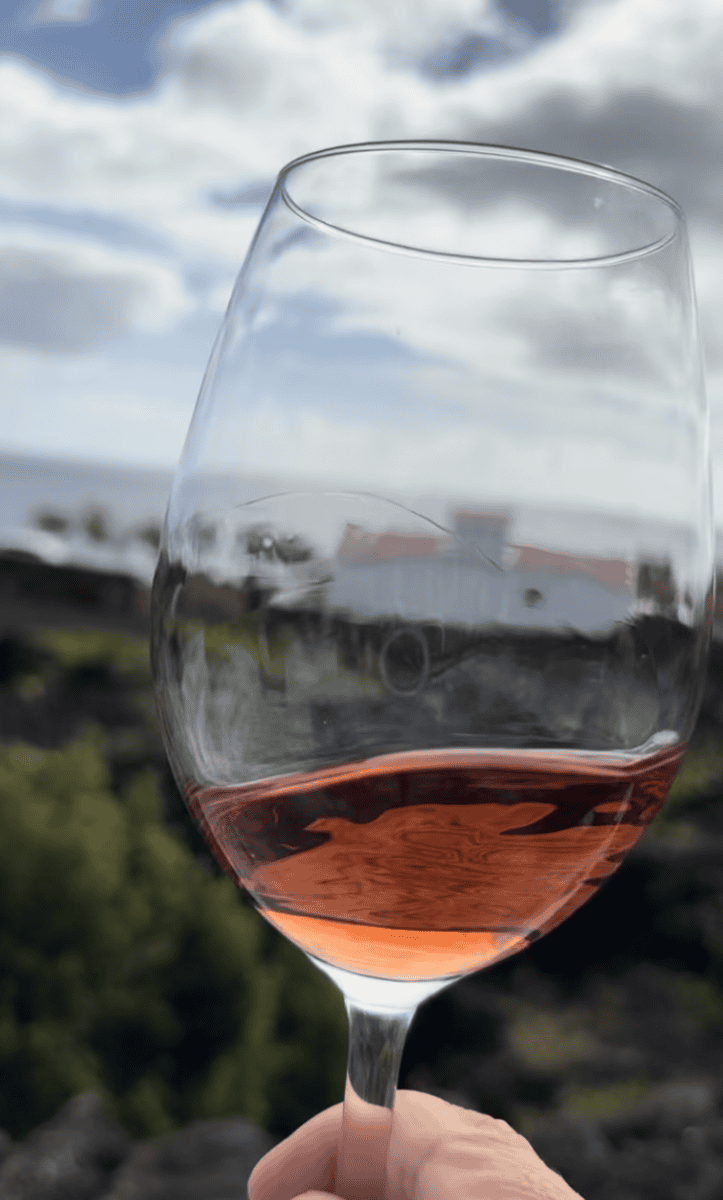
Lucas Amaral is the youngest winemaker in the entire archipelago, but he already has an international following. Sitting at his adega’s sea-facing wooden tables, I pick up a glass of rosé with my own weathered hand and swirl its contents, which glow like lava in the fall sunlight. The wine’s bright red fruit softens its mineral, saline edge. It might be my new favorite.
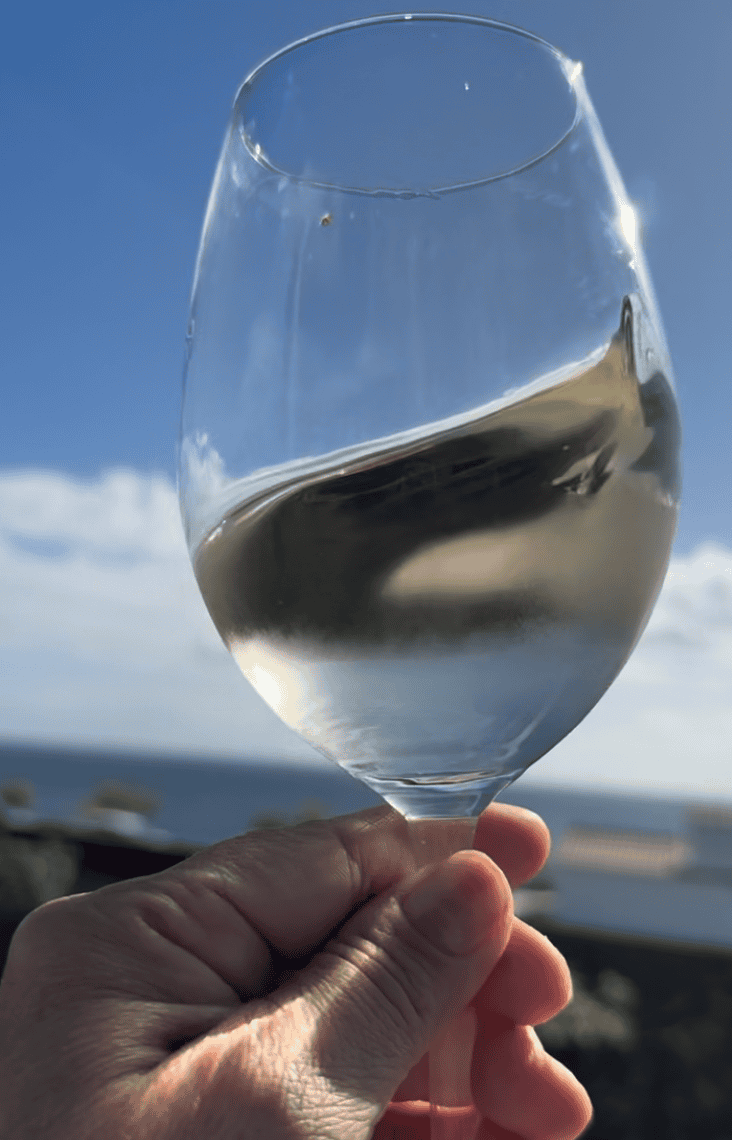
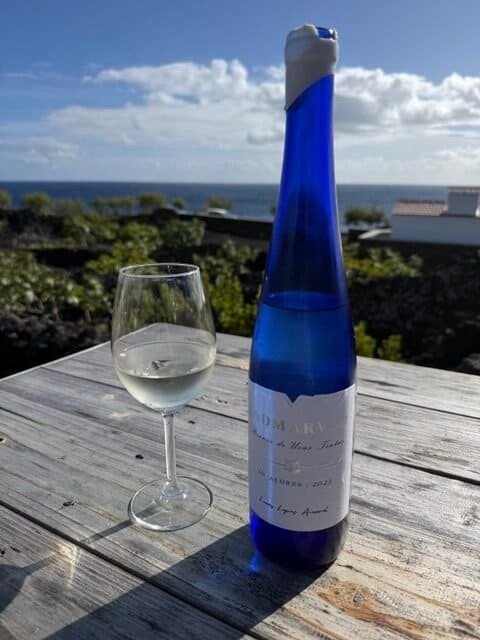
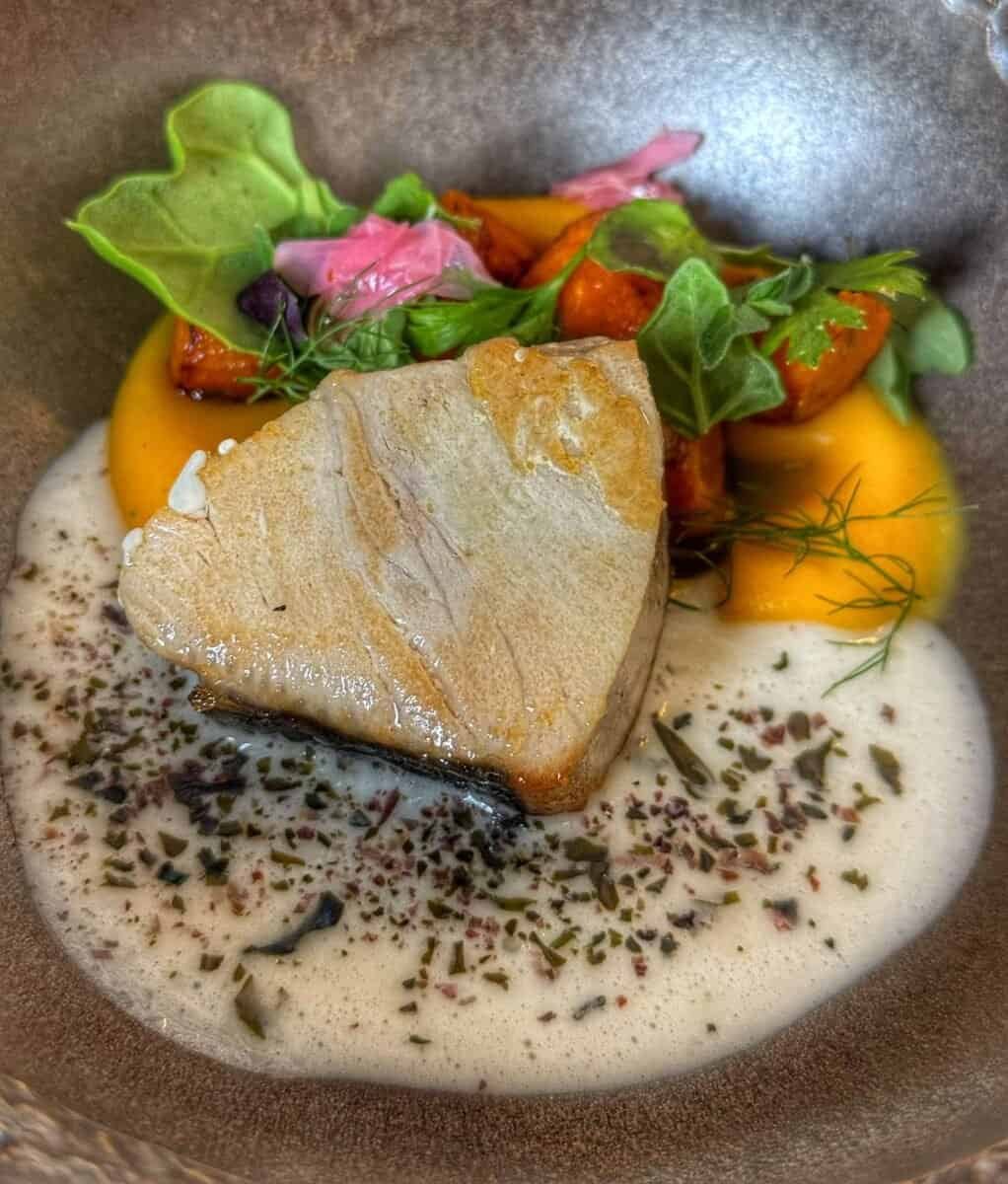
For sustenance, I drive to Bioma Restaurant near the village of Foros, at the eastern end of the southern coast. Here, Pico wine and food get married on a romantic ridge overlooking the vast ocean. Chefs Rafael Ávila Melo from Pico and Franco Pinilla from Argentina are the masterminds behind Bioma’s alchemy, pairing Pico wines with fresh fish, seafood, and other seasonal ingredients from around the islands.
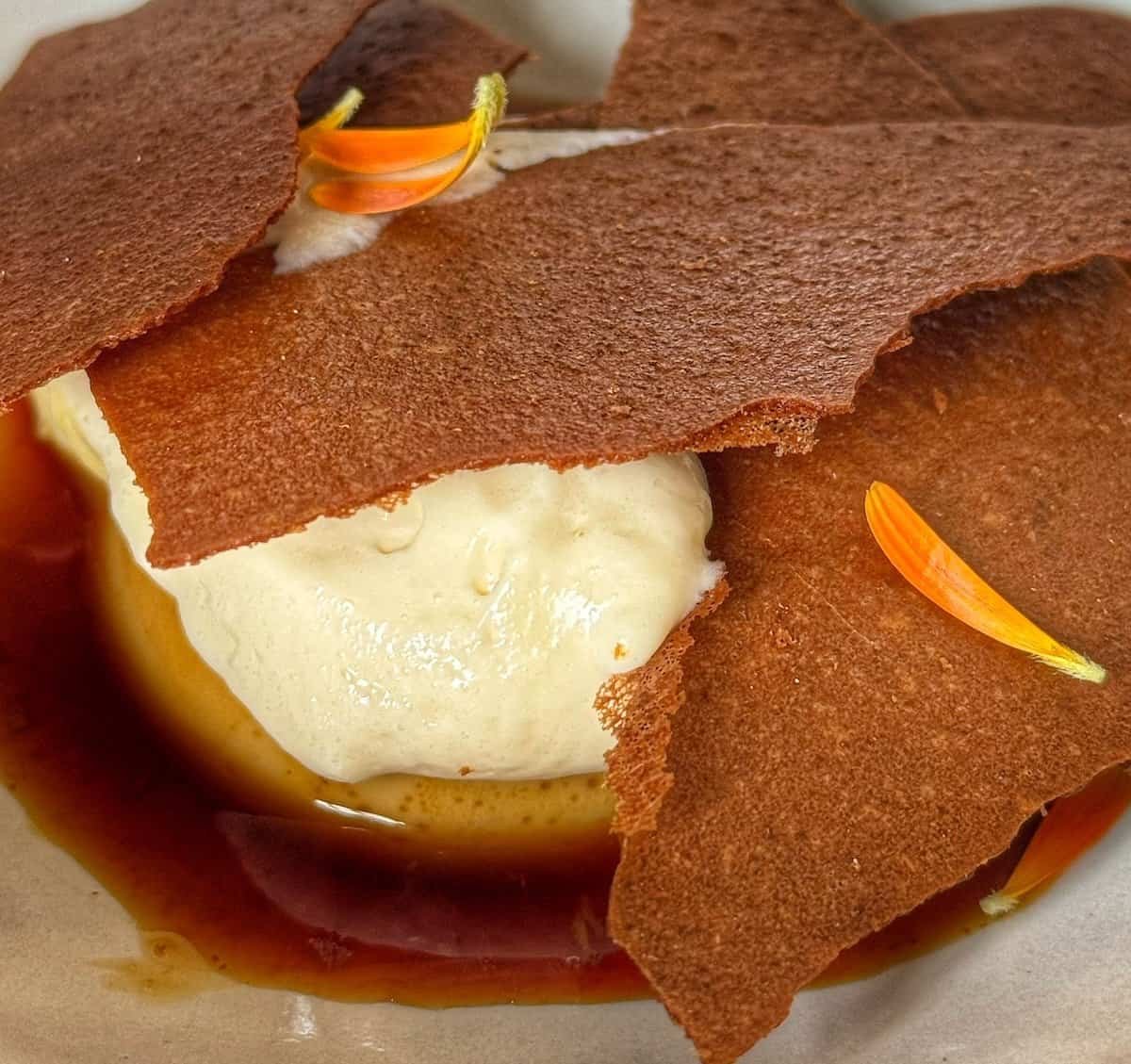
More field-to-fork restaurants are popping up around Pico these days, but Bioma is where the island’s hands do their most delicate work. I flash back to a recent Bioma experience. On this day, the lime notes of an Amaral white brightened plates of irio (greater amberjack) sashimi and succulent albacore and rhymed with the citrus essence in my creamy dessert. Pico-grown coffee concluded the meal — apparently someone has started growing coffee on Pico now, too.
Refuge on the Northern Coast
A few miles east of Bioma, the road does a gradual 180 and continues on the northern side of the island. I can’t see the mountain from over here, but I can still feel her magnetic presence.
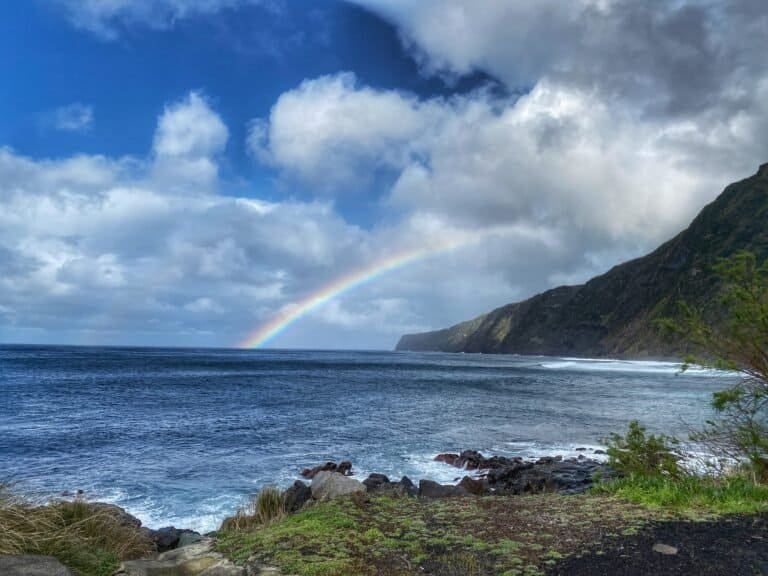
This area looks nothing like the primordial southwest coast. The greens of the forest zing against the dusky basalt, and colorful villages spill down the steep terrain. The sea below is a silver-blue canvas, dappled with cloud shadows. Across the channel, São Jorge Island is a reclining dragon, deep green and slumbering in the mist.
This scenic drive is itself the destination on some days. Other days, the road takes me somewhere — to another place the picarotos have sculpted.
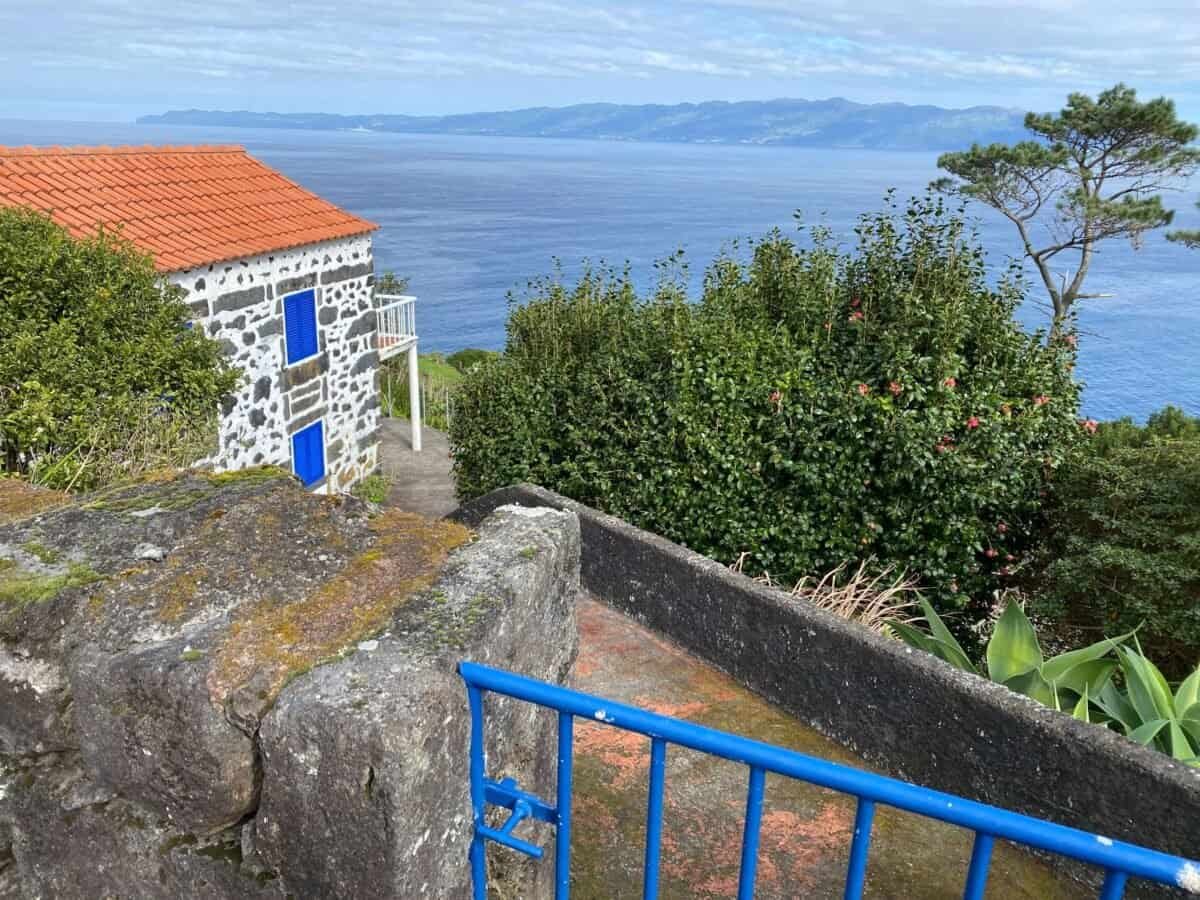
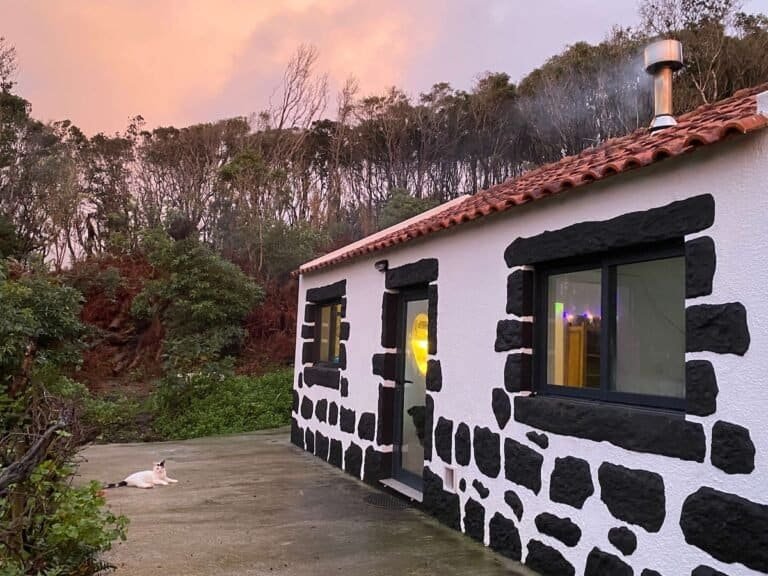
Lava Homes is a collection of stone houses perched high on a hillside in the village of Terra Alta. Designed by Portuguese architect Diogo Mega, the dwellings blend seamlessly with the hillside, neither dominating it nor disappearing into it. They remind me of the currais of a Pico vineyard, sheltering the tender life inside from the fury of the elements. Sometimes, that tender life is me.
I like to visit in the dead of winter, when the resort is empty. The wind and rain may assail the walls of my cottage, but inside, the warmth of the wood stove envelops me. I gaze out through the floor-to-ceiling windows, watching clouds scurry across the sky and rainbows form and dissolve over the ocean.
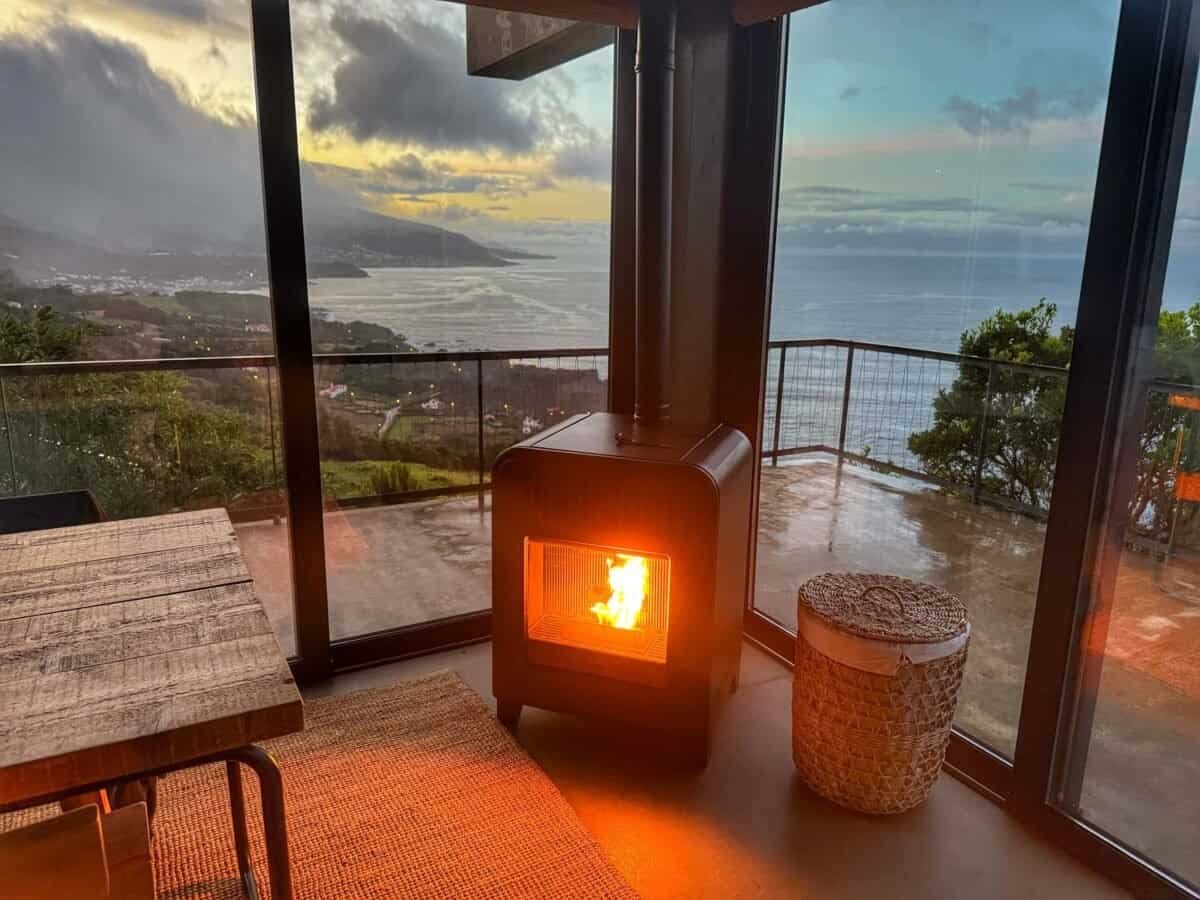

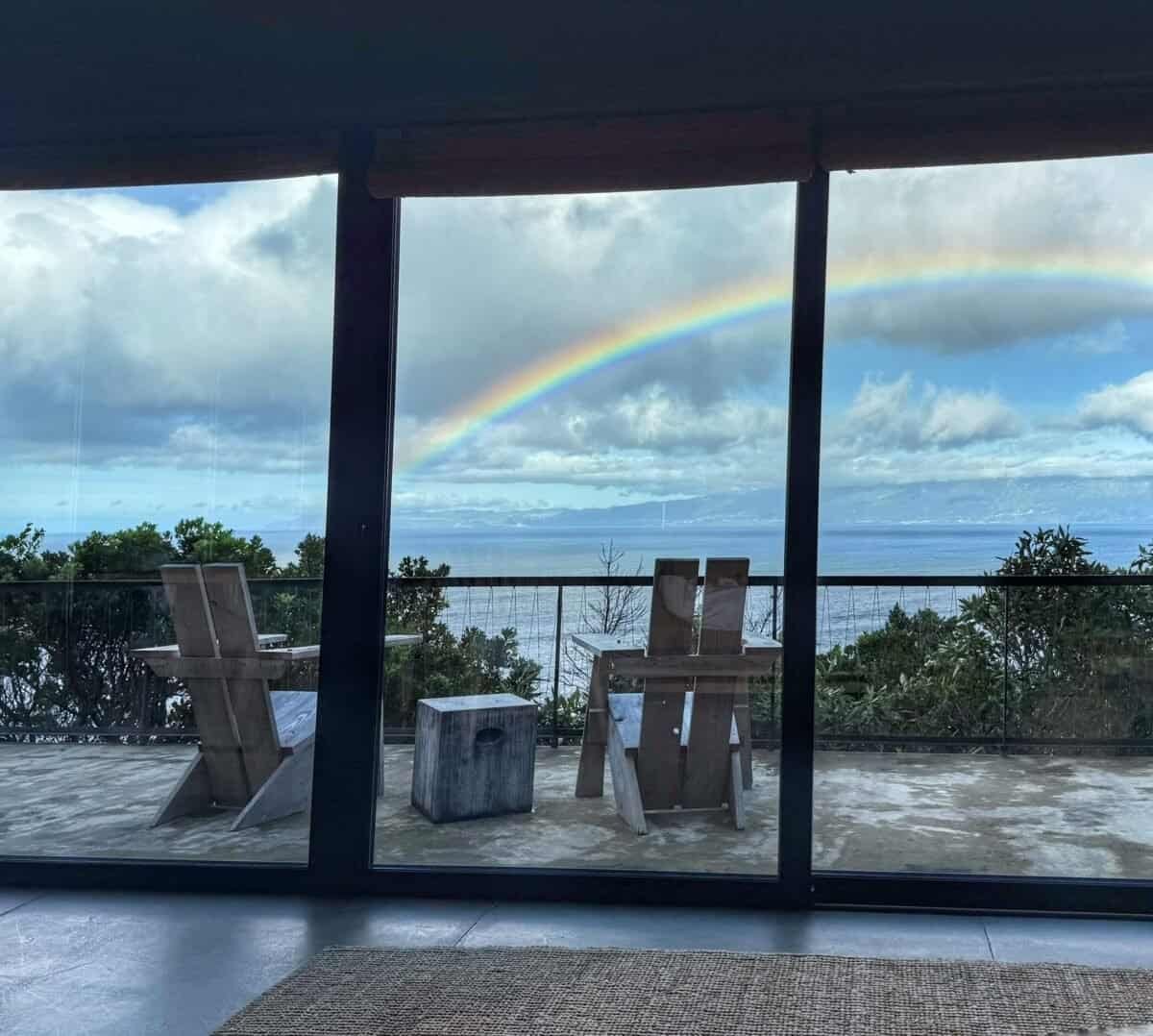
During weather breaks, I venture out from my den to hike a few miles on the tree-lined trail up to the sweeping sea views at the Miradouro da Terra Alta. Then, I descend the hill to the natural ocean pool at Poça do Caisinho, submerge myself in the ice-cold water, and return home to the resort to bake dry in the sauna. Like vines in their stone cradle, my limbs relax and unfurl. My spirit grows green again.
Home
Eventually, though, Horta’s clock hands move into position, and it’s time to board my return ferry. I usually feel at peace with this — a sign that my Pico holiday, whether it’s been a week or a single day, has properly performed its magic.
When I lived in Bologna, Italy, I would often take the fast train to Florence, just for the day. After hours of steeping in sublime art and architecture, I’d be dizzy with delight. But I was always relieved to return to Bologna, my earthier and more grounded home. “Florence is the lover,” the Bolognese would say, “but Bologna is the wife.”
Resting my head on the ferry window, watching the ocean tumble by, I realize that Pico, like Florence, will always enchant me. But my Faial farmhouse is home — at least for now.