
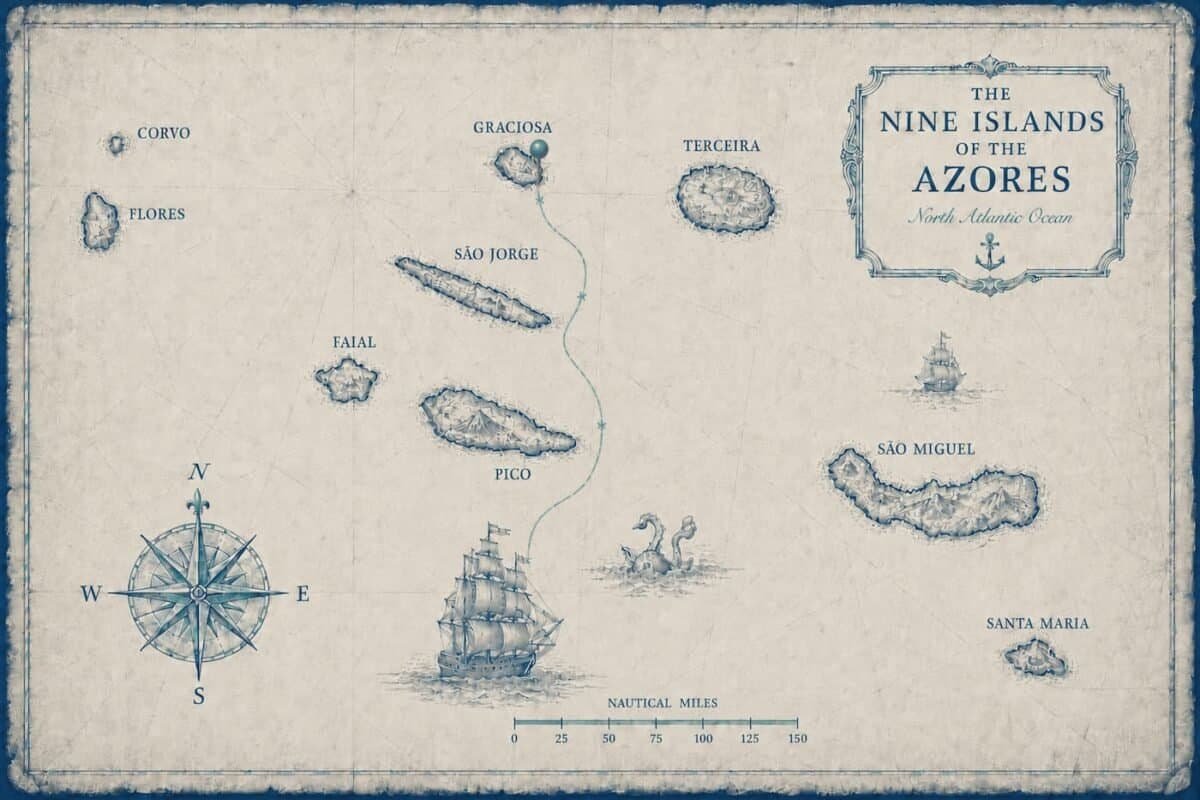
Graciosa: Gentle Hills and Hidden Wonders
Beneath Graciosa’s peaceful villages and rolling countryside is one of the Azores’ most extraordinary volcanic worlds.
Graciosa may be one of the smallest islands in the Azores, but its character leaves a big impression. Known for its softer and dryer landscapes, whitewashed traditional villages, and relaxed pace of life, the island offers a quieter experience compared to neighboring Terceira.
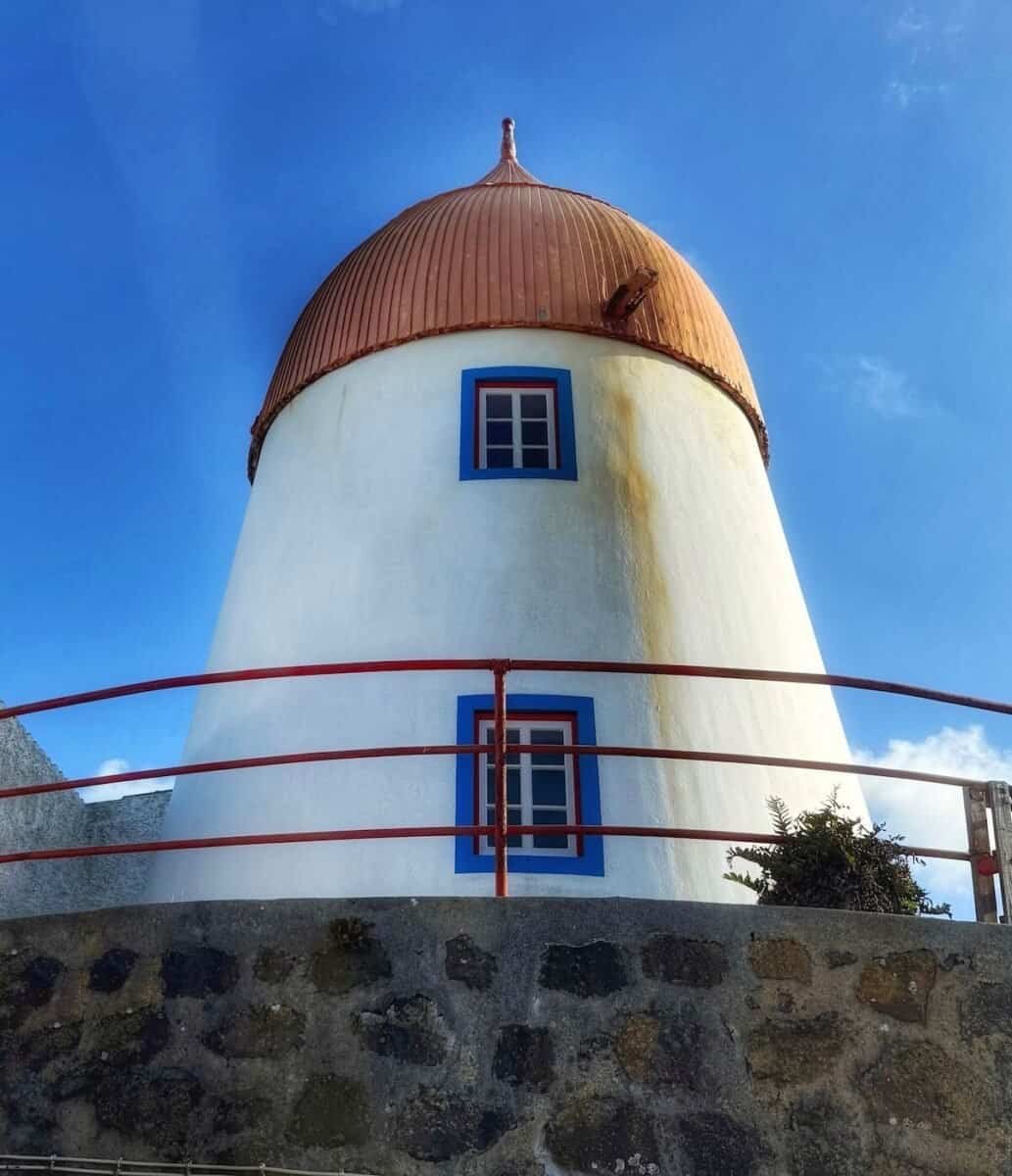
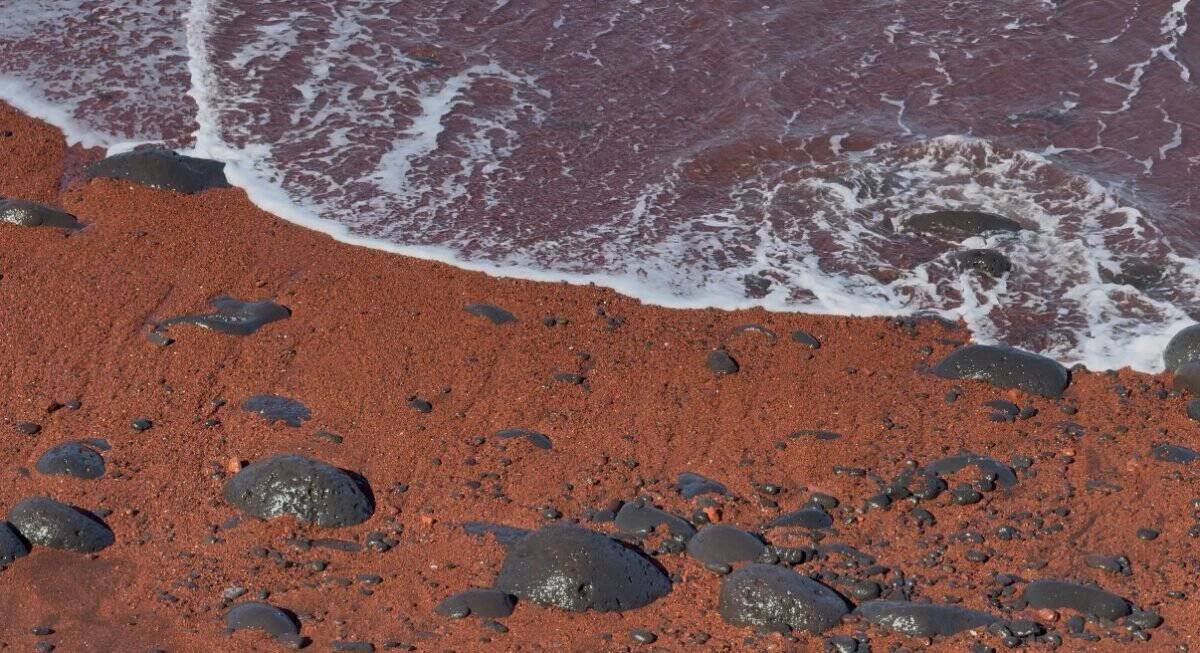
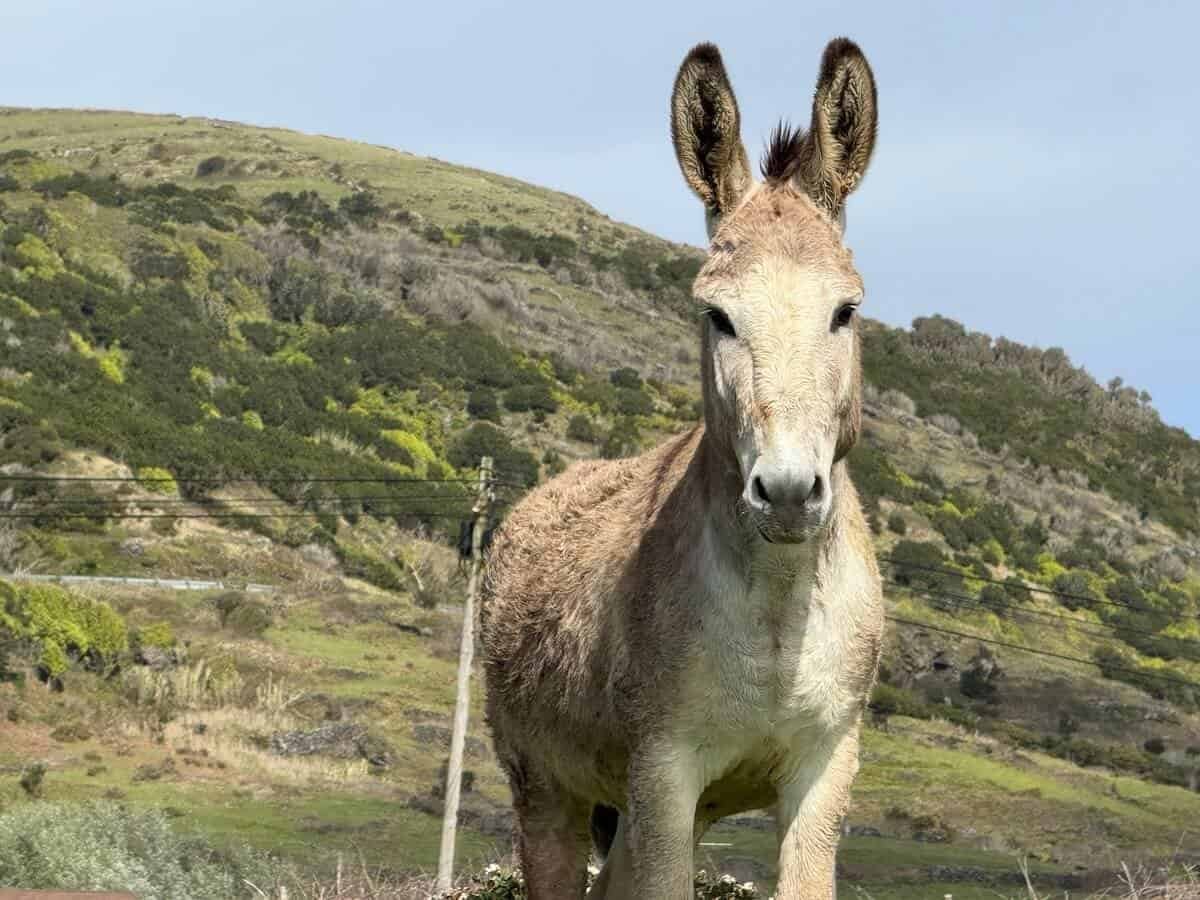
Like the islands of Corvo and Flores, Graciosa is recognized as a UNESCO Biosphere Reserve for its unique landscapes, biodiversity, and vibrant traditions. Traditional windmills dot the island, which is also known for its gentle breed of donkeys and for growing lots of garlic. Graciosa also has the only red-sand beach in the Azores — Barro do Vermelho.
At first glance, Graciosa appears delightfully pastoral: rolling hills, fertile farmland, inquisitive donkeys, and colorful windmills meet the eye. But beneath this calm exterior, geological mysteries await. Underground caverns, fumaroles, and a vast sulfur cave confirm that powerful volcanic forces have been active here, too.
Graciosa’s appeal is simple: few places in the Azores feel so simultaneously serene and exotic.
Graciosa at a Glance
Location
Central Group / Grupo Central
Size
23 mi² / 61 km²
Population
Around 4,300 people
Main City
Santa Cruz da Graciosa
Landscapes
Gentle hills, caverns, red sand beach, thermal springs
Experiences
Touring volcanic caverns, swimming, relaxation
Frequently Asked Questions
1. Is it worth it to visit Graciosa?
There’s not as much “to do” on Graciosa compared to the bigger islands. That said, it offers something increasingly rare: tranquility. While Graciosa feels as quiet and remote as Flores or Corvo, you don’t have to travel all the way to the Eastern Group to experience it. Getting to Graciosa only involves a short flight or ferry trip from Terceira or the Triangle Islands. It also has some unique geological features, like Furna do Enxofre and a red-sand beach, and it’s the only other island besides São Miguel with thermally heated water that you can soak and swim in.
2. What’s the best way to get to Graciosa?
Graciosa’s airport only receives interisland flights. But a summertime Atlanticoline ferry does run between the islands of Faial, Pico, São Jorge , Graciosa, and Terceira.
3. Should I rent a car on Graciosa?
The island is small enough that you can see most of it in a day. For that, I’d recommend walking as much as you can and then hiring a local taxi.
4. What are the top things to do on Graciosa?
Top experiences on Graciosa include long walks on the mostly flat roads, swimming in natural pools and at a golden-sand beach and a red-sand beach, and visiting the volcanic caverns. It’s also possible to book a stay in one of the traditional windmills on the island.
5. Tell me more about Furna do Enxofre.
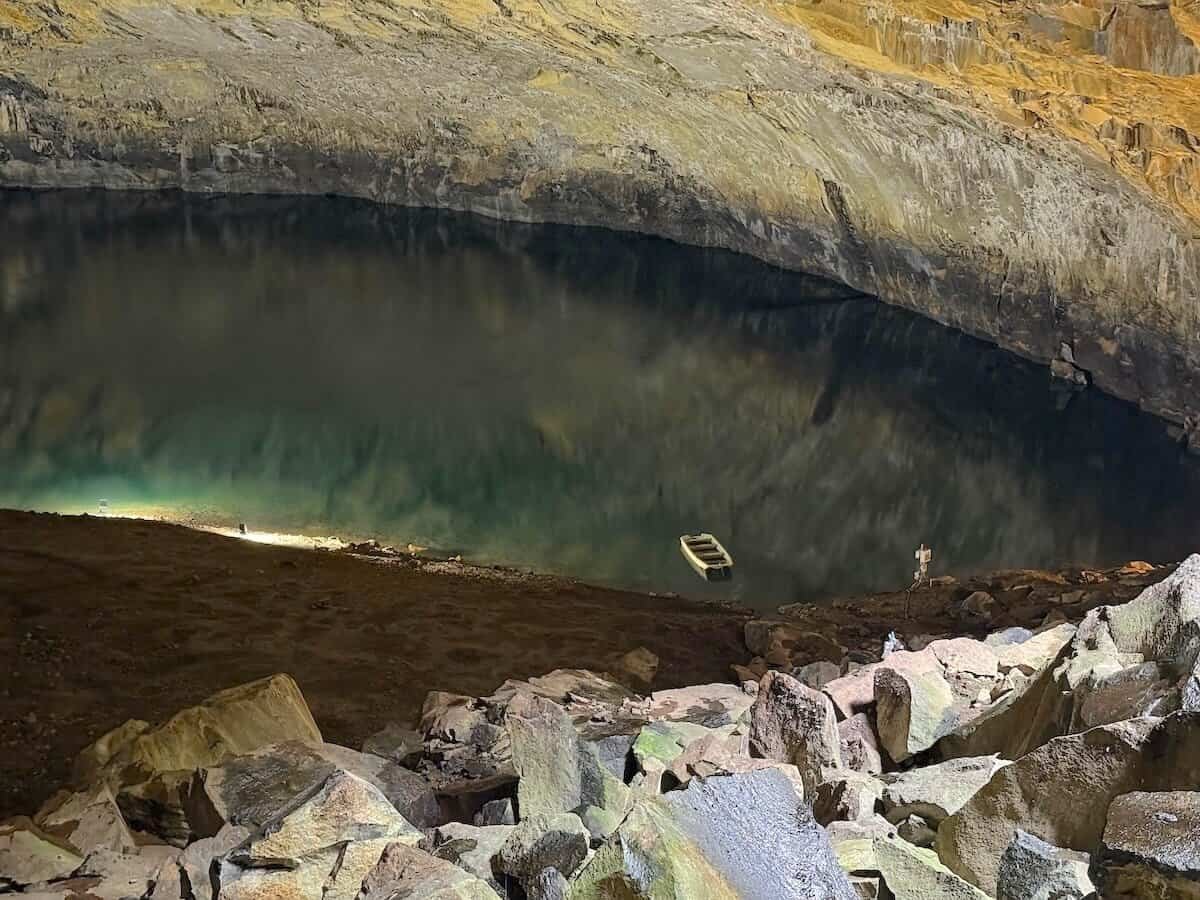
At 636 feet (194 meters) long and 164 feet (50 meters) high, Graciosa’s Furna do Enxofre is a sulfur cave with the largest volcanic dome in Europe. The cavern has a stalactite-studded ceiling, a bubbling fumarole, and a lake whose depth is 35 feet (11 meters). For perspective, a small rowboat sits on the lake, but presently, it isn’t possible to use it.
6. How many days should I spend on Graciosa?
Graciosa is not a bucket-list island. You can see the major sights in a day, but I’d recommend spending a few days to really unwind and feel the peaceful vibe of the island.
7. What’s the best time to visit Graciosa?
Visit from July through early October for the best weather for outdoor adventures. Springtime can be lovely but also very rainy, and fog this time of year can disrupt flights and even lead to cancellations. The island is exceptionally quiet in winter and often offers great deals on hotels for those willing to brave the stormy Azorean winter. However, no matter what season you visit, be prepared for rapidly changing weather.
Anchor in the Islands
Get the latest stories and updates