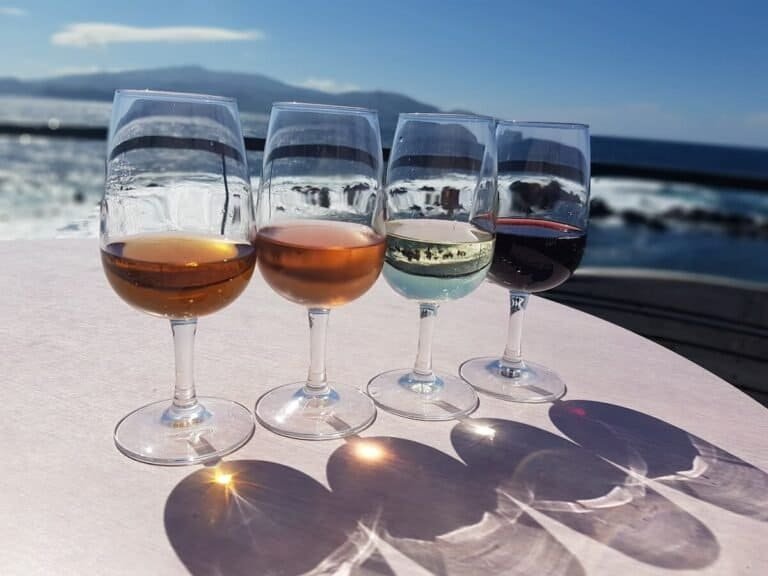
Best Time to Visit the Azores

Summer is when the Azores receives most of its visitors, but this may not be optimal time for everyone. There’s a reason for every season in the islands, and a season for every kind of traveler. The best time to visit depends on you — the nature of your trip and what you’d like to do (or not do) here.
January through March: The Coldest Months
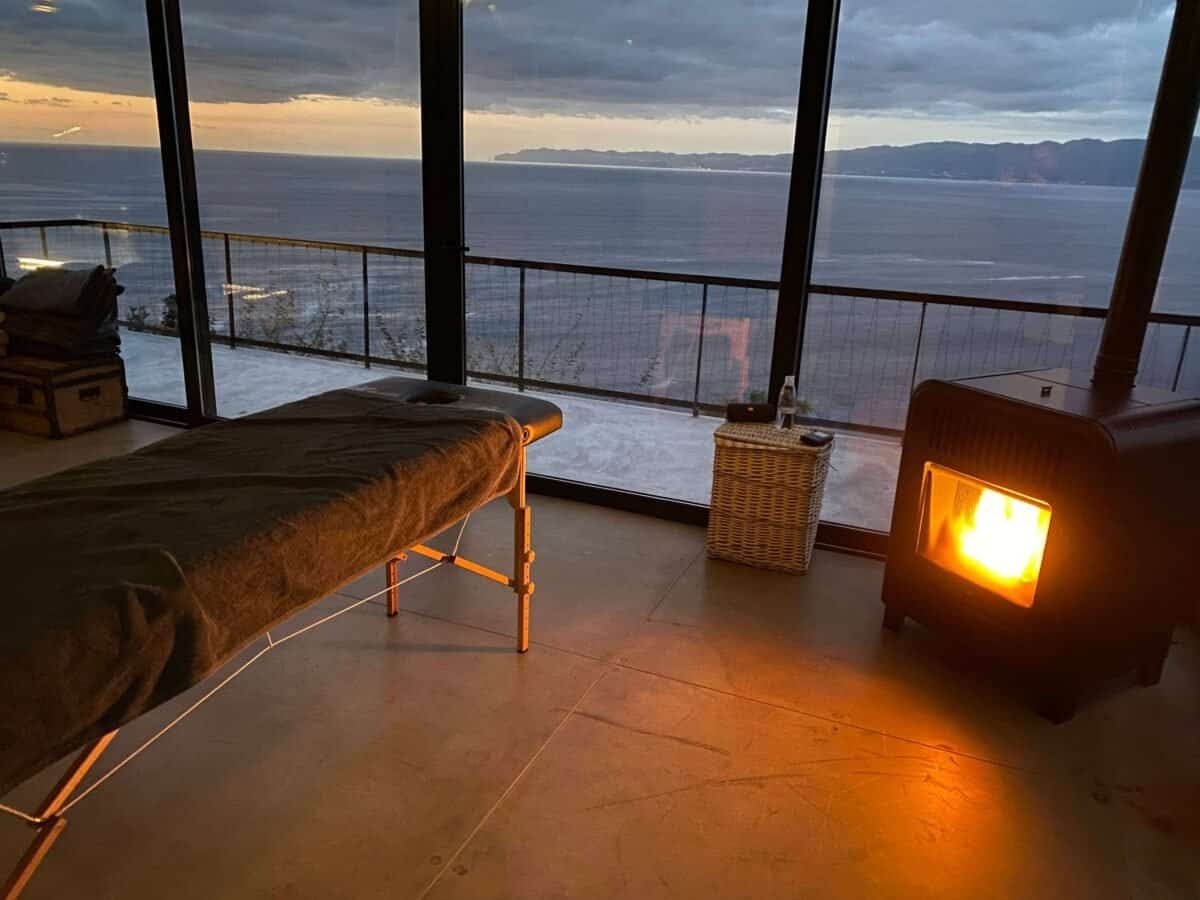
Winter in the Azores isn’t really winter in the way many people think of it. Snow is virtually unknown except at the islands’ highest points, temperatures remain mild, and the landscape stays green, even in the coldest months.
But the islands are not a tropical paradise in winter, either. They’re more more like a wild North Atlantic adventure! Heavy rains make winter one of the greenest times of the year and ensure that waterfalls are running at their fullest. During and after big winter storms, waves crash against the cliffs with such ferocity that you can hear their thunder far inland.
From January through March, daytime temperatures typically range from the mid 50s to low 60s°F (mid to high teens °C) , while nights can drop into the low 50s°F (low 10s°C). Big storms blow in every few weeks, dumping rain and occasional hail, with wind speeds of 30–40 mph (48–64 km/h) and gusts that can exceed 70 mph (115 km/h).
The weather is always changeable in the Azores, no matter what the season. But in the first few months of the year, the swings are much wider: sunshine one minute and heavy showers the next, followed by bright rainbows streaking through a dazzling cacophony of cloud formations. Occasionally there will come a long spell with no rain (a gift from the Atlantic deities!) followed by weeks of back-to-back storms, when the sun is a distant dream.
Wildflowers don’t peak until later months, but in late winter and early spring, white calla lilies, camellias, oxalis (pink sorrel), and daisies begin springing up in the meadows, introducing dashes of brightness in the endless green.
| Pros of Visiting January through March | -Fewer people, more peace! -Significantly lower prices on airfare, accommodation, and car rental compared to the rest of the year -Digital nomads can often score deals on long-term rentals of vacation properties – Stormy skies and seas create great photo opportunities -Good time for cozy and restful retreats, writing and other creative work, and cold plunges in the ocean -Flowers begin appearing around the islands |
| Cons of Visiting January through March | -Very few beach days (unless you’re a cold plunger!) -Flights and ferries get delayed or cancelled because of storms -Visibility is often compromised by rain and fog -Limited outdoor activities during heavy rain -Rough seas are not conducive to whale watching -Some restaurants and travel businesses are shuttered for the season -Occasional flooding and landslides can lead to road closures |
April through June: Warmer but Rainy and Foggy
Mid to late spring brings some relief from the cold and rain. With each month, sunshine and sapphire skies become more frequent, and the temperatures begin climbing into the 60s°F (mid to high teens °C) and more flowers emerge in gardens, meadows, and along roadsides.
When the sun comes out in all her spring glory, it makes you think that winter is finally over. Then BOOM, she comes back again full force — more rain, more wind, more cold, and more pounding waves. For many Azores residents (including myself), the start-and-stop nature of spring makes it the most challenging time of year.
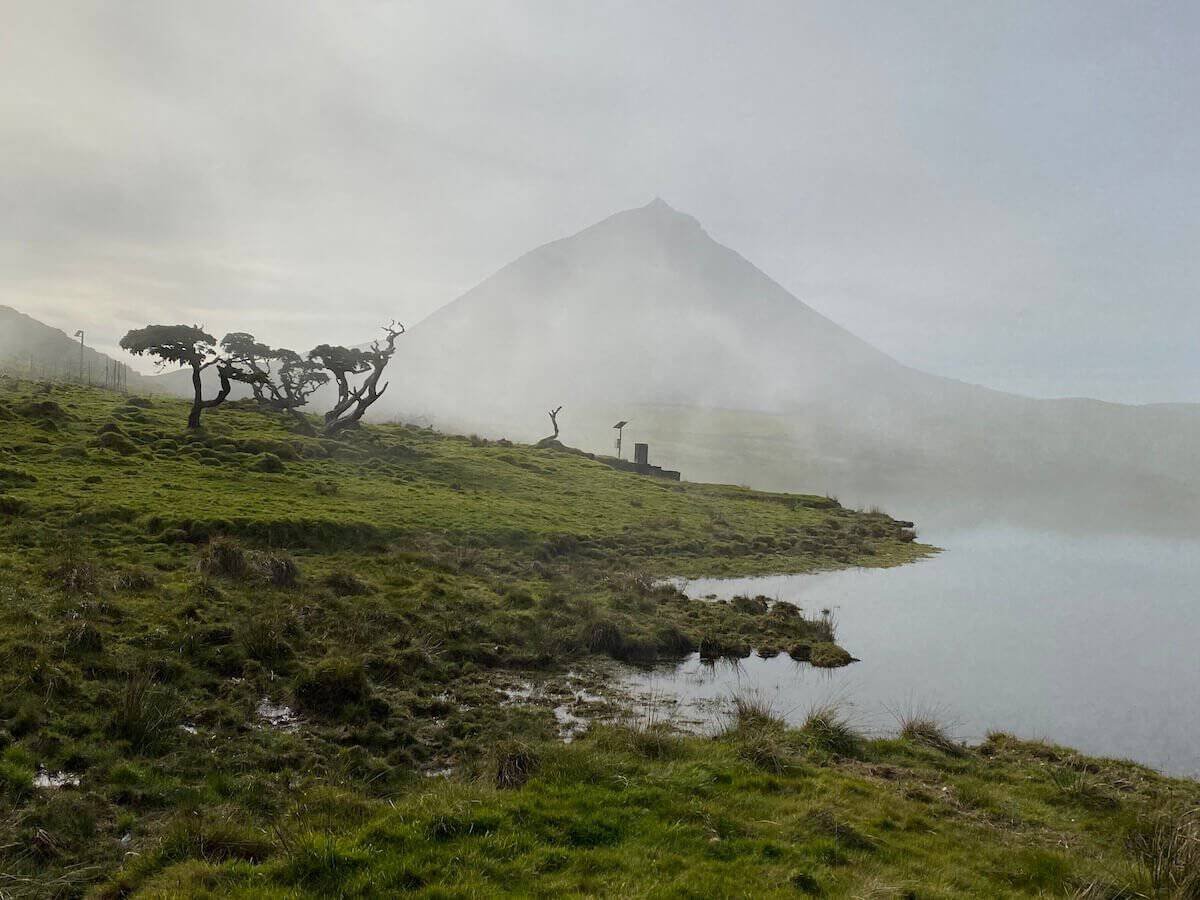
Moving into June, it’s warmer and drier still, and some days feel truly summer-like. However, dense fog and low cloud are common during this period, with hills, crater lakes, and even airport approaches sometimes completely enshrouded. This phenomenon doesn’t just obscure iconic sights like Sete Cidades, it can also lead to travel nightmares.
On 1 June 2026, Portugal News reported that approximately 175 flights in the Azores had been affected by fog, particularly around Ponta Delgada on São Miguel. The disruptions were severe enough that temporary beds were installed at the airport for stranded passengers. Yikes!
| Pros of Visiting April through June | -Nature is “waking up,” flowers emerge and birds return to the islands from winter homes elsewhere -Winter storms are abating, meaning less wind and heavy rain -Seas are calming, whale watching trips are more frequent -Weather is warmer than winter and not as hot as summer -Fewer people than in summer high season -Lower airfares compared to summer high season -Less expensive accommodations compared to summer high season -Whale watching resumes |
| Cons of Visiting April through June | -Weather still unpredictable during this period, very much “four seasons in one day” -Fog can obscure viewpoints and disrupt flights -Ocean temperatures colder than later in the summer -Spring wind and ocean currents tend to push venomous Portuguese Man-of-War (Physalia physalis) into Azorean waters, so exercise caution when swimming |
July: Sunnier and Peak Hydrangea Season
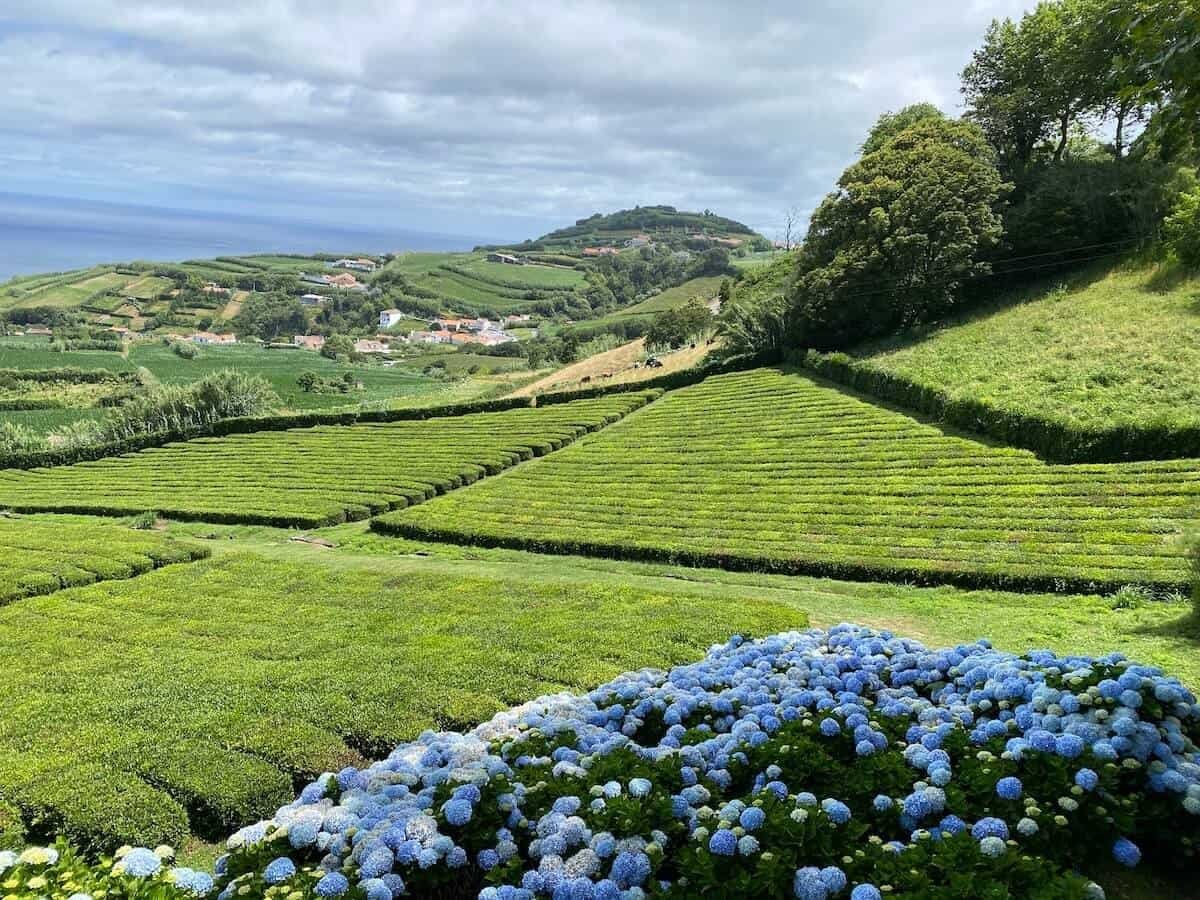
There’s only one word for July in the Azores: glorious. With the warmer and sunnier weather, the calmer seas, and the lush landscapes illuminated by rows upon rows of lavender-blue hydrangeas, the islands become heaven on earth.
Temperatures during this time are comfortable, typically in the 70s and 80s°F (23—27°C) during the day and in the 60s and low 70s°F (high teens to low-20s°C) at night. Rainfall is relatively low, usually arriving as brief showers rather than all-day rain. Long stretches of sunshine are common, although mountain fog and changing conditions are still possible.
Don’t expect the Mediterranean heat that’s typical of southern Europe — we rarely get those steamy summer afternoons where all you want to do is lounge poolside grazing on ice-cold cherries. This may be good news for those wanting to spend afternoons hiking and exploring without worrying about heat exhaustion. But it’s not-so-good news for those needing a hot weather excuse for their afternoon siesta (psst: take the afternoon siesta anyway; you don’t need an excuse!)
| Pros of Visiting in July | -One of the driest and warmest months -Best weather and sea conditions for outdoor activities like hiking, whalewatching, and swimming -Best conditions for viewing crater lakes, calderas, and other higher-altitude spots -Less crowded than August -Hydrangeas and agapanthus (African lilies) peak throughout the archipelago |
| Cons of Visiting in July | -Still get occasional “four seasons in a day” weather -High season airfares and prices -Flights, ferries, and tours sell out and must be booked in advance -More crowded than in spring, fall, and winter (though less crowded than in August) |
August: The Diaspora Returns

For August, ditto everything we said about July, with a few additions and exceptions. Pleasant weather continues, setting the perfect backdrop for outdoor activities of all kinds. Early in the month, the hydrangeas remain in full bloom. As the month unfolds, hydrangeas wane, and bright orange montbretia step into the spotlight, like harbingers of the approaching autumn.
The main difference between August and the other optimal weather month — July — is that August draws many more visitors. Every year in August, thousands of members of the Azorean diaspora return to the islands from the United States, Canada, Bermuda, and mainland Europe to reconnect with family, spend time in their ancestral homes, and celebrate their heritage.
This annual homecoming transforms the Azores from a serene oasis into a gigantic party with nine different focal points. In addition to the many small village festivals that occur across the islands, some of the largest festivals occur during August, too, including Festas da Praia on Terceira, Semana do Mar on Faial, and Festas de Nossa Senhora dos Anjos and Festa do Bom Jesus da Pedra on São Miguel. Attending one is an Azorean immersion like no other, but be prepared for crowds. Also know that August flights, accommodations, rental cars, and tours sell out months in advance, so plan accordingly.
| Pros of Visiting in August | -The same weather and sea advantages as July, optimal for outdoor activities and sightseeing -This is the Azores at its most festive and energetic -If you have Azorean ancestry, this is a great month to visit to connect with your heritage |
| Cons of Visiting in August | -Crowds, especially at iconic spots like Sete Cidades and Furnas on São Miguel -Highest prices -Sold-out flights, accommodations, rental cars, and tours -Hydrangeas no longer at their peak after beginning of the month |
September: Summer’s End Means Fewer Tourists and a Chance of Storms

September offers an ideal combination of balmy weather conditions and fewer crowds compared to August. The summer sunshine and warmth often extend well into the month. Daytime temperatures remain constant, in the 70s and 80s°F (20s°C) during the day and in the 60s and 70s°F (high teens to mid-20s°C) at night.
The waters around the islands reach their warmest temperatures in September, making it one of the best months for swimming, snorkeling, diving, and other ocean activities. However, Atlantic weather systems become more frequent towards the end of the month, introducing the possibility of a tropical storm or even a hurricane passing through.
Azorean landscapes also shift in autumn. Hydrangeas give way to orange montbretia, fragrant yellow ginger lilies, and the pink belladonna amaryllis. The latter look like bowing pink hats and bloom around the time the new school year begins. They’re known locally as meninas vão para a escola (“girls going back to school”).
| Pros of Visiting in September | -Early September offers similar weather and sea conditions to July and August, ideal for outdoor activities and sightseeing -Warmer water temperatures for swimming and diving -Fewer visitors compared to August |
| Cons of Visiting in September | -Higher prices for flights, accommodations, etc., compared to later autumn, winter, and spring -The chance of storms increases as the month progresses -Hydrangeas have withered |
October through December: Storms Season Commences
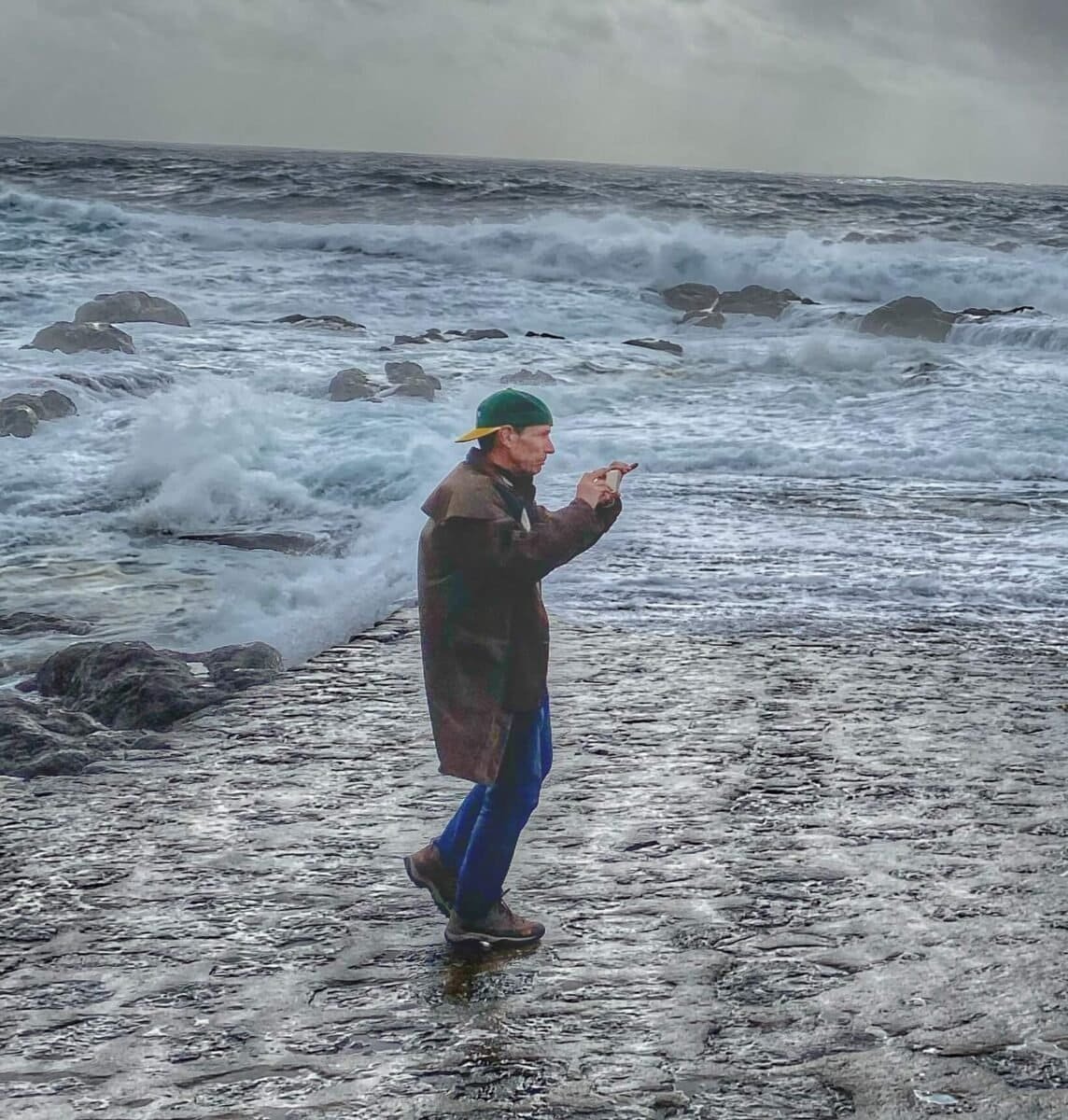
Temperatures remain remarkably mild from October through December, typically ranging from 60–75°F (15–24°C). But during this season, the Azores revert to their signature moodiness. The summer crowds dissipate, the pace of life eases, and the weather darkens. While October can feel like an extension of summer, November and December bring shorter days, more frequent Atlantic weather systems, and every few years — an actual hurricane, like Hurricane Lorenzo in 2019.
The hills remain green, but the ocean turns to a darker shade of blue. Swimming becomes more challenging with the larger swells, but hiking is still rewarding between passing weather systems. Another reward of this season is the sky itself. In autumn, billowing clouds in every shape and size waltz across the sky in a grand procession, casting a patchwork of shadows on the vast ocean. The golden light and isolated showers this time of year also create ideal conditions for rainbows and vivid sunsets … to the extent that my favorite fall pastime in the Azores has become “sky-watching.”
The main trade-off in this time is unpredictability. Travelers should expect a mix of sunshine, rain, wind, and the occasional fierce storm that disrupt flights, ferries, and outdoor activities. Yet for those seeking calmness, lower prices, and a more authentic glimpse of everyday island life, October through December can be a great to visit.
| Pros of Visiting October through December | -Price drops compared to summer -Fewer people, more peace -Colder but not as cold as January, February, and March -Gorgeous light, stormy skies, and turbulent seas create great photo and “sky-watching” opportunities |
| Cons of Visiting October through December | -Tropical storms and even hurricanes can occur this time of year, posing safety risks and seriously hampering travel and outdoor activities -Rough seas are not idea for whale watching -Visibility may become compromised again -Fewer flowers than other seasons -Some restaurants and travel businesses close up for the season |
Conclusion
There is no single best time to visit the Azores, only the best time for the kind of experience you envision.
- Winter brings storms, waterfalls, and intense solitude.
- Spring is a time of emergence, when the archipelago is stirring awake.
- Summer delivers abundant sunshine, flowers, and festivals.
- Autumn combines warm seas with luminous skies and a returning calmness.
Every season in the Azores holds its own treasures — some more hidden than others. Whether you find them is entirely up to you.