Terceira: The Culture Capital of the Azores
Home to a UNESCO World Heritage city, vibrant festivals, and some of the archipelago’s richest traditions, Terceira offers a side of the Azores where history and culture take center stage
Known as the Purple Island, Terceira owes its nickname to the lilac tones in its bulidings and hydrangea-lined pastures and roads. Its UNESCO-listed capital, Angra do Heroísmo, played a vital role in Atlantic trade for centuries, while the island’s vibrant festivals, traditional Holy Spirit celebrations, music, cuisine, and enduring customs have helped preserve a rich Azorean identity that remains deeply woven into everyday life.
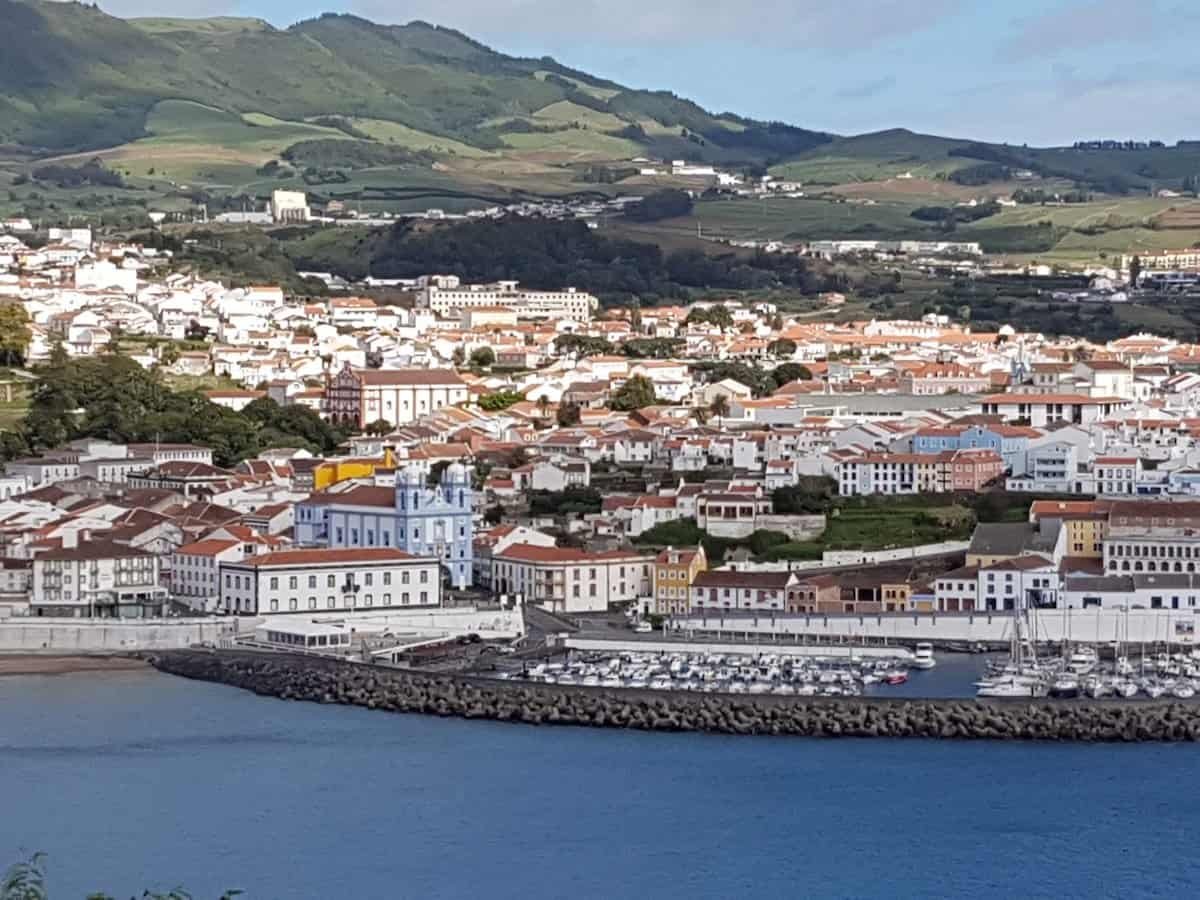
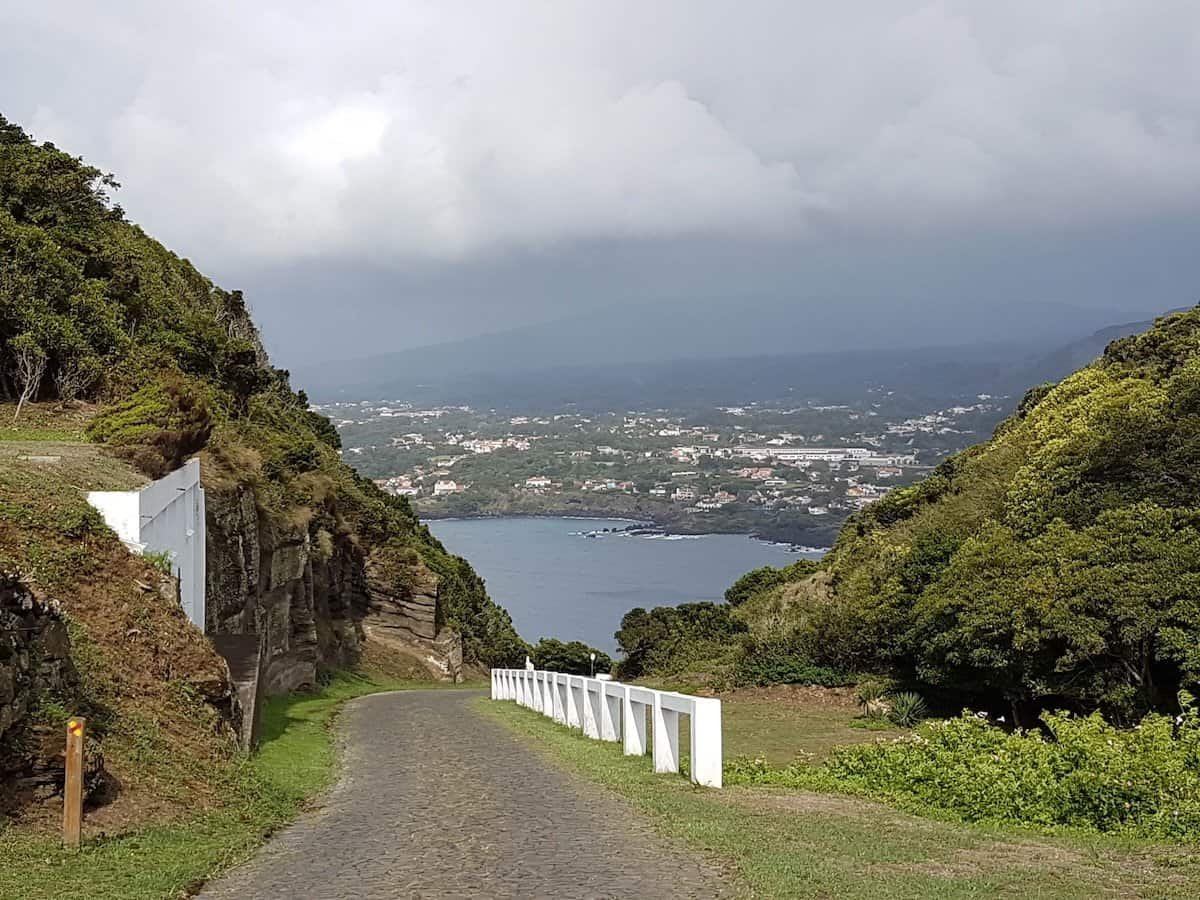
While many visitors associate Terceira with festivals and celebrations, the island also boasts some of the archipelago’s most impressive viewpoints and natural landscapes.
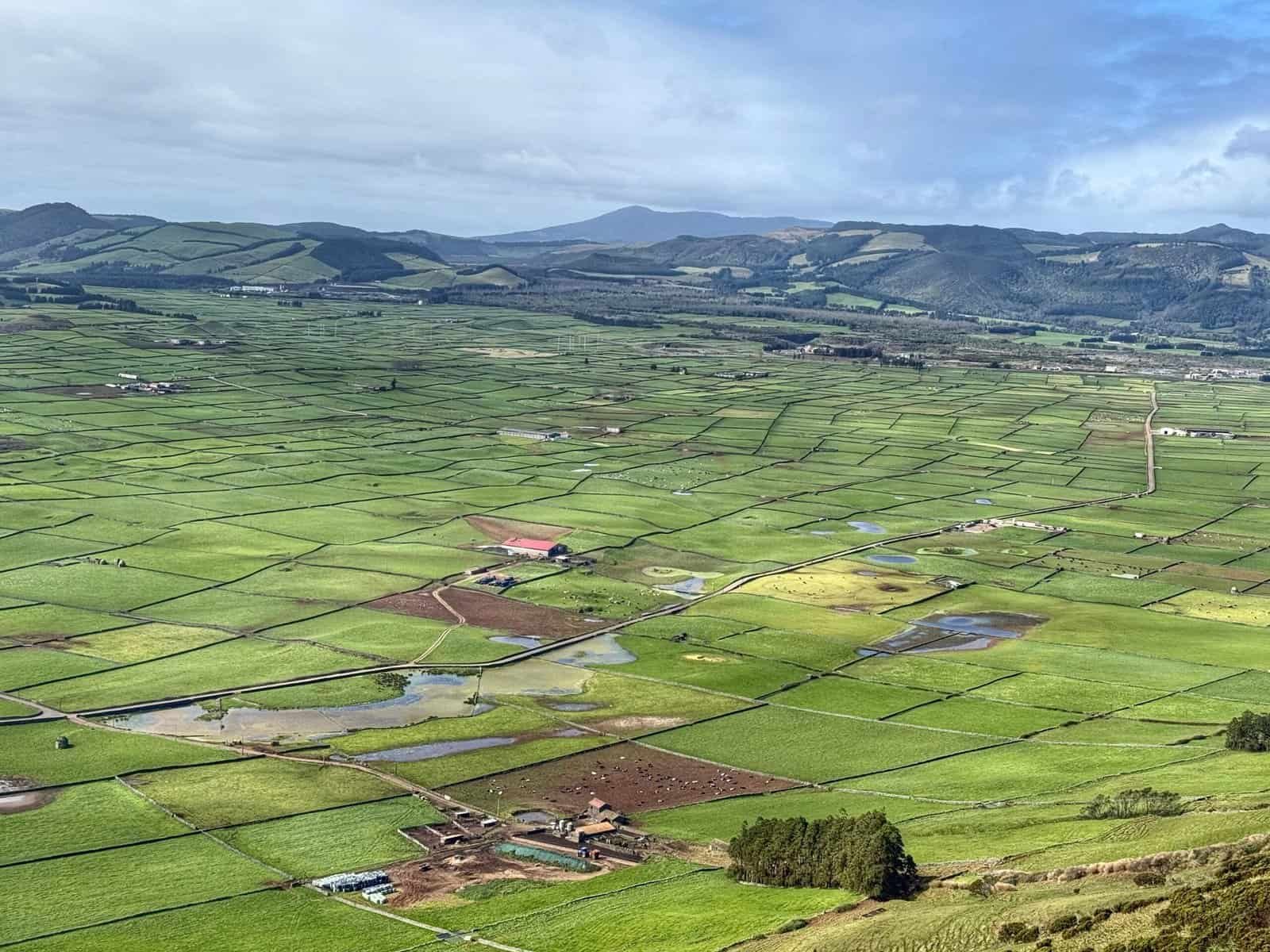
Ancient volcanic forces shaped the island’s fertile plains, lava tubes, volcanic peaks, and sweeping coastal cliffs, along with unique features like Algar do Carvão, one of the world’s few volcanoes that visitors can enter. The island’s interior is home to the largest remaining tract of native forest in the Azores, a lush and often misty landscape of endemic plants, ancient trees, and winding trails that feels worlds away from the bustling towns along the coast.
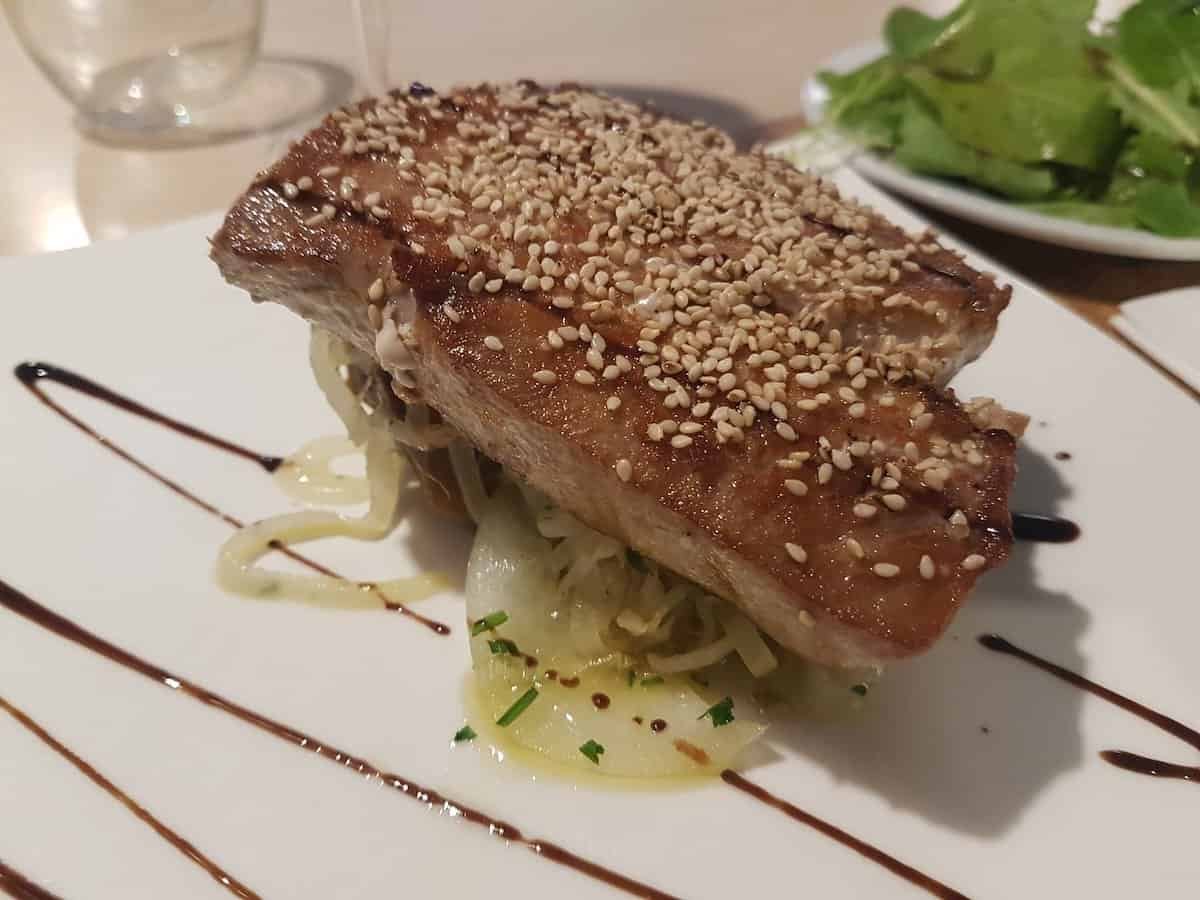
Most visitors spend their time exploring the historic streets of Angra do Heroísmo, discovering volcanic caves, hiking scenic trails, and swimming in natural pools carved in the black volcanic rock. Whale watching, diving, and surfing are popular offshore, while food and wine lovers come to sample local specialties from seafood dishes and alcatra (beef stew) to aromatic Dona Amélia cake and crisp verdelho wines. If you’re lucky enough to visit during one of Terceira’s famous summer festivals, you’ll also experience the island at its most colorful, energetic, and unmistakably Azorean.
Terceira at a Glance
Location
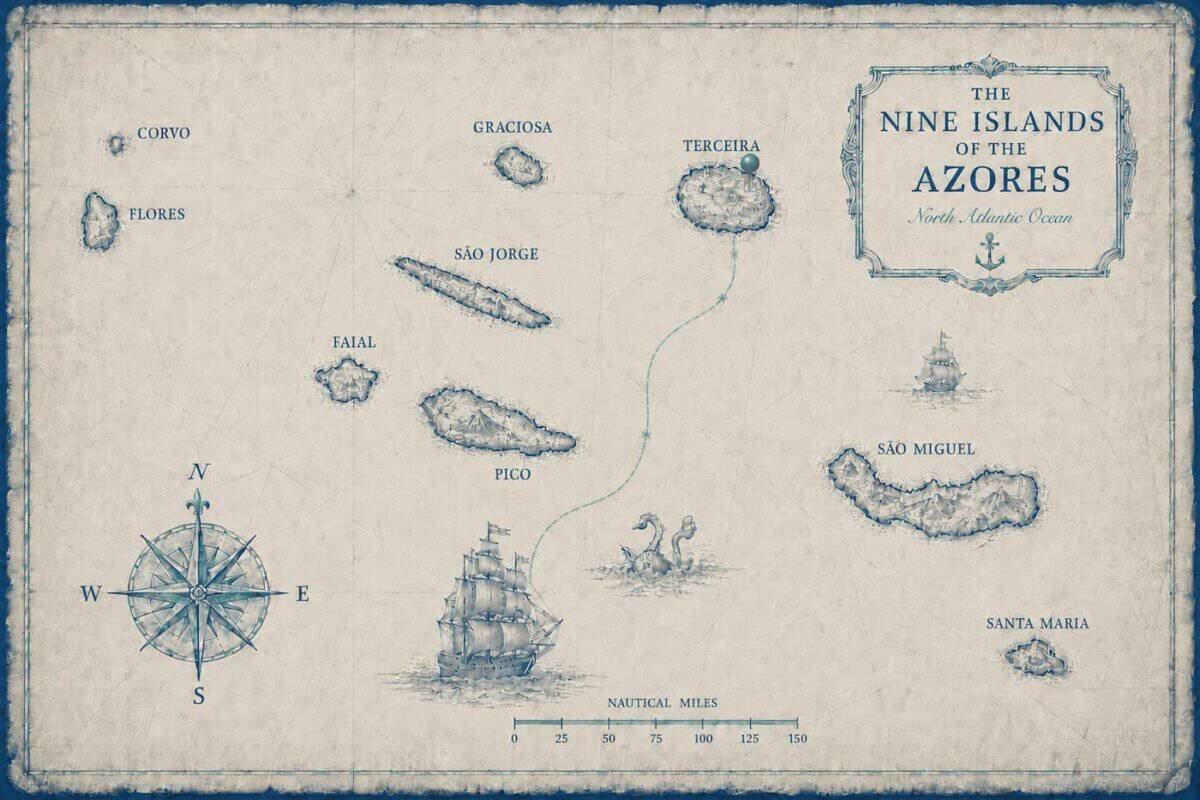
Central Group / Grupo Central
Size
153 mi² / 402 km²
Population
Around 53,000 people
Main Cities
Angra do Heroismo, Praia do Vitória
Landscapes
Rolling pastures, coastal cliffs, forest highlands, volcanic features
Experiences
Festivals, hiking, water sports, volcano tourism, scenic drives
Frequently Asked Questions
1. Is it worth it to visit Terceira?
Terceira offers one of the most well-rounded experiences in the Azores, combining history, culture, volcanic landscapes, hiking, water-based activities, and excellent food and wine. Visitors can spend their mornings exploring historic streets, their afternoons hiking through volcanic landscapes, and their evenings enjoying local festivals, traditional cuisine, and waterfront restaurants.
2. What’s the best way to get to Terceira?
Most visitors arrive via Lajes Airport, which offers direct flights from mainland Portugal as well as inter-island connections throughout the Azores. During the summer season, additional international routes may be available. Atlanticoline erry connections operate between the Central Islands during the warmer months, but flying is generally the fastest and most convenient option.
3. Should I rent a car on Terceira?
While Angra do Heroísmo can be explored on foot, a rental car is the best way to explore the island’s varied landscapes, viewpoints, hiking trails, natural swimming areas, and smaller villages. Terceira’s road network is excellent, making the island easier to navigate compared to some of the other islands. Buses do run around the island, but visitors have reported that they’re not easy to use.
4. What are the top things to do on Terceira?
Top experiences on Terceira include exploring the UNESCO-listed streets of Angra do Heroísmo, descending into the volcanic chimney of Algar do Carvão, hiking along the coast and through the island’s interior, swimming in the natural lava pools of Biscoitos, visiting historic forts and churches, embarking on whale-watching excursions, and partaking in the island’s renowned festivals and local traditions.
5. Tell me more about Terceira’s festivals.
No island in the Azores parties quite like Terceira. The island is famous for its summer festivals, Holy Spirit celebrations, street parades, music events, and traditional cultural gatherings that bring entire communities together. One of the most well-known traditions is the island’s summer season of touradas à corda (bull-running events conducted under local regulations), which have been part of Terceira’s culture for centuries. Visitors during the summer months often find that nearly every village is hosting some form of celebration!
6. How many days should I spend on Terceira?
Five days is ideal for most visitors. This allows enough time to explore Angra do Heroísmo, visit the island’s volcanic attractions, enjoy a few hikes, relax at natural swimming areas, and sample Terceira’s food and culture. Those interested in history, photography, hiking, or festivals could easily spend a week or more.
7. What’s the best time to visit Terceira?
No matter when you visit, be prepared for rapidly changing weather conditions. Terceira can be visited year-round, but most travelers prefer coming from July through October. Summer offers the warmest weather, calmer seas, and the island’s busiest festival season. Spring brings lush green landscapes and wildflowers, while autumn often offers pleasant temperatures with fewer visitors. However, fog can disrupt travel in springtime, and storms begin arriving in the archipelago as early as mid-October.
Anchor in the Islands
Get the latest stories and updates