
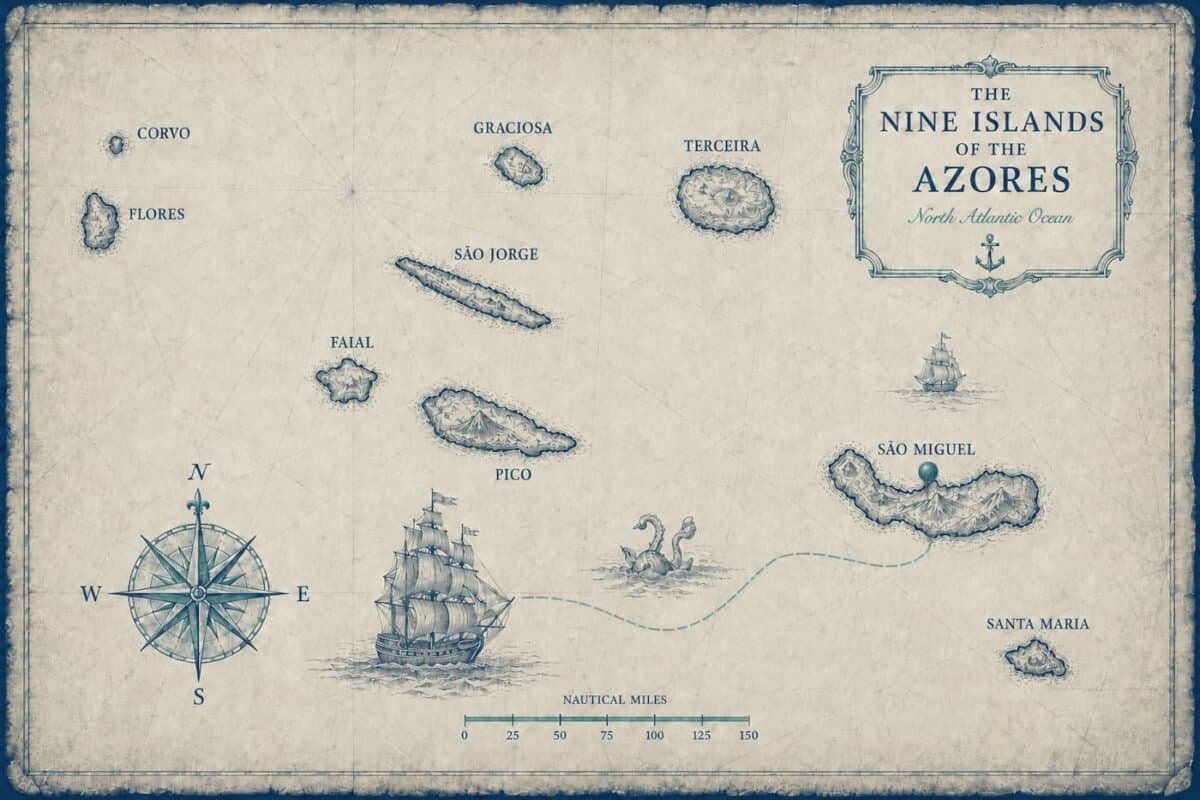
São Miguel: The Showcase Island
If each island in the Azores had a soundtrack, São Miguel’s would be the greatest hits album.
The largest island in the Azores brings together many of the landscapes and experiences that have made the archipelago famous, from jewel-toned crater lakes and geothermal valleys to tea plantations, waterfalls, and stunning coastal scenery.
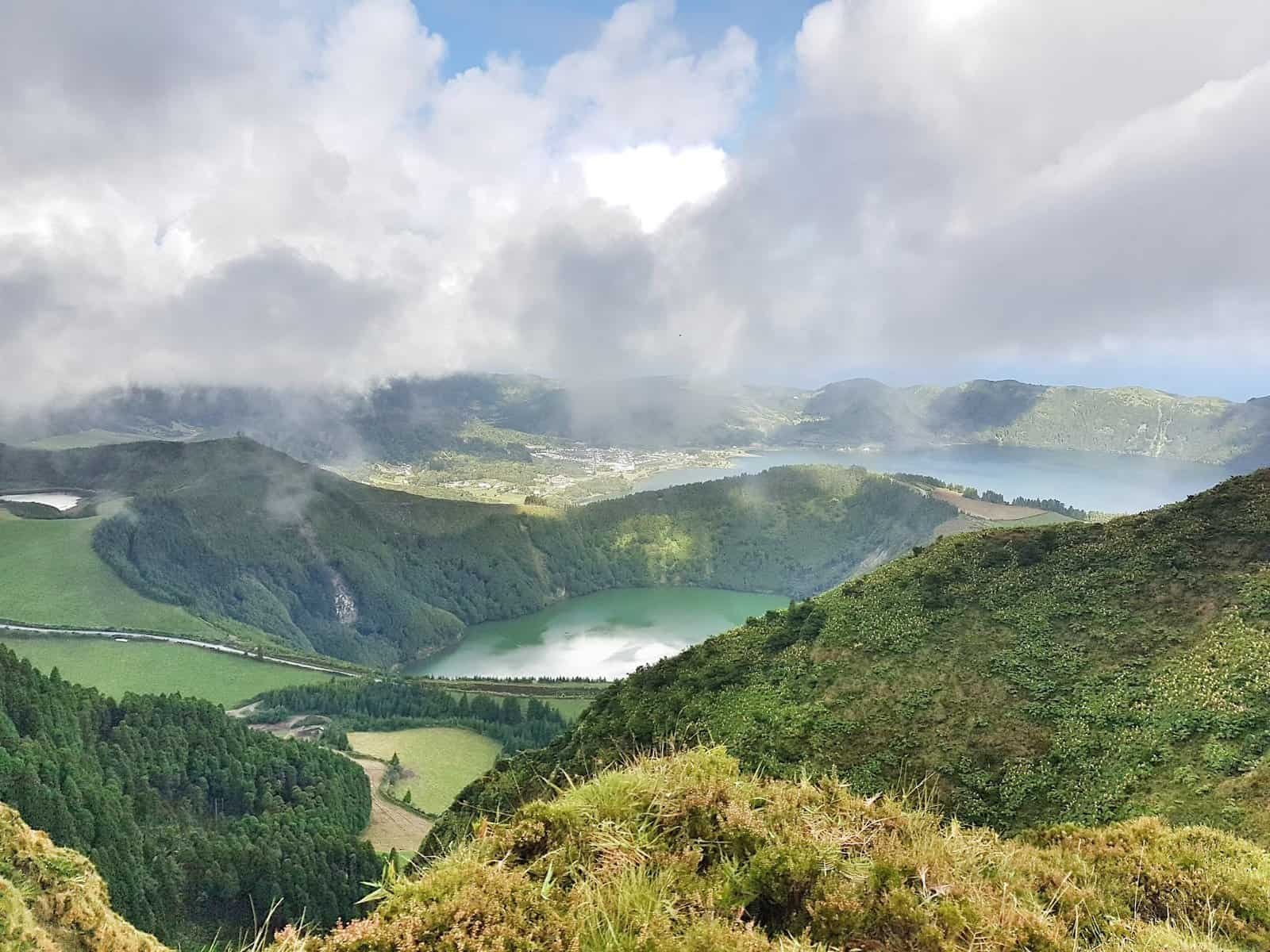
Volcanic forces have shaped every corner of São Miguel. Ancient calderas cradle some of the most iconic lakes in Portugal, including the sapphire and emerald lakes of Sete Cidades. The island’s restless geological core continues to make itself known in the steaming fumaroles of Furnas, where visitors can bathe in thermal pools and sample cozido stew that’s been slow-cooked in geothermal pits.
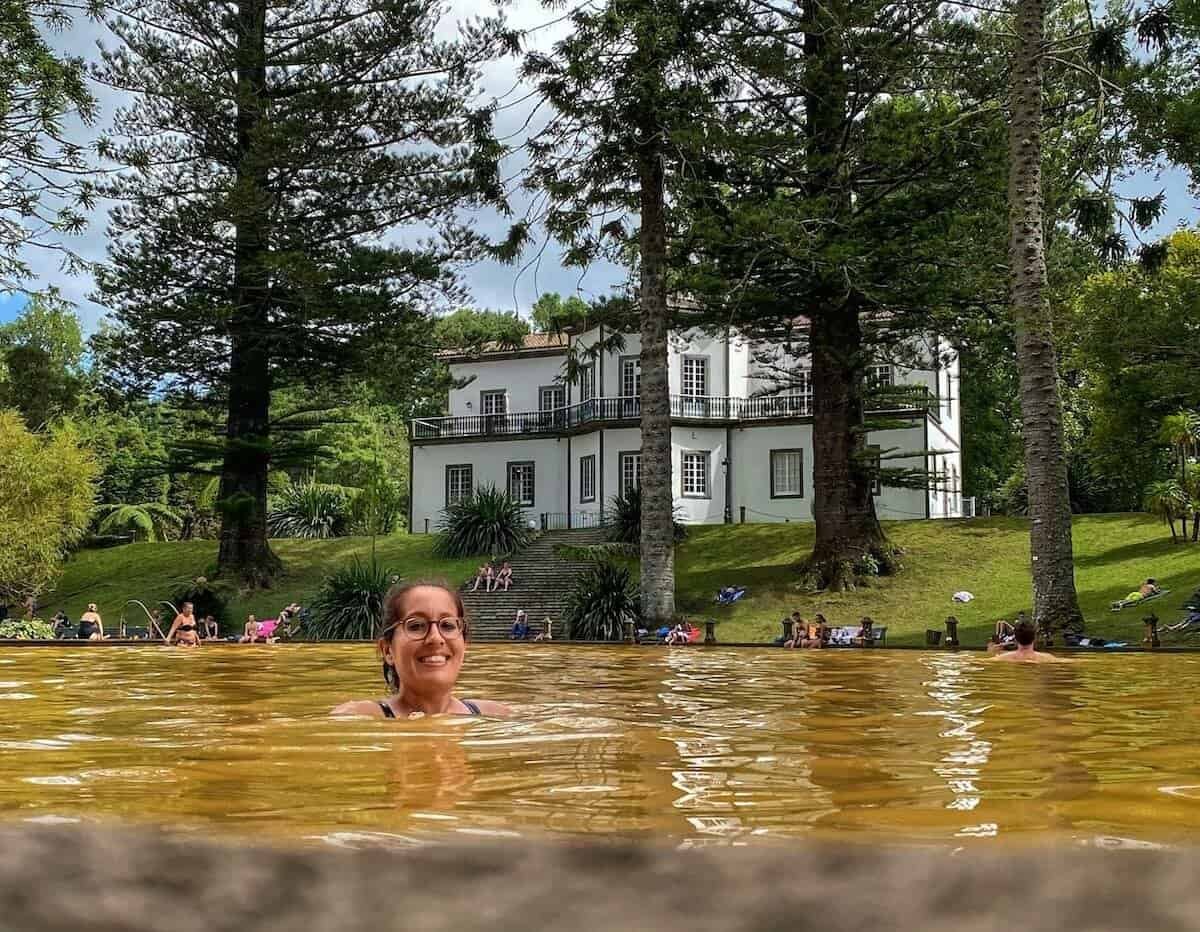
Yet São Miguel is more than its natural beauty. The island is home to the Azores’ largest city, vibrant festivals, and a burgeoning food scene. Visitors can trek around crater lakes, meditate in misty forests, sip locally grown tea, wander through historic towns, and watch whales and dolphins frolic in the surrounding Atlantic waters.
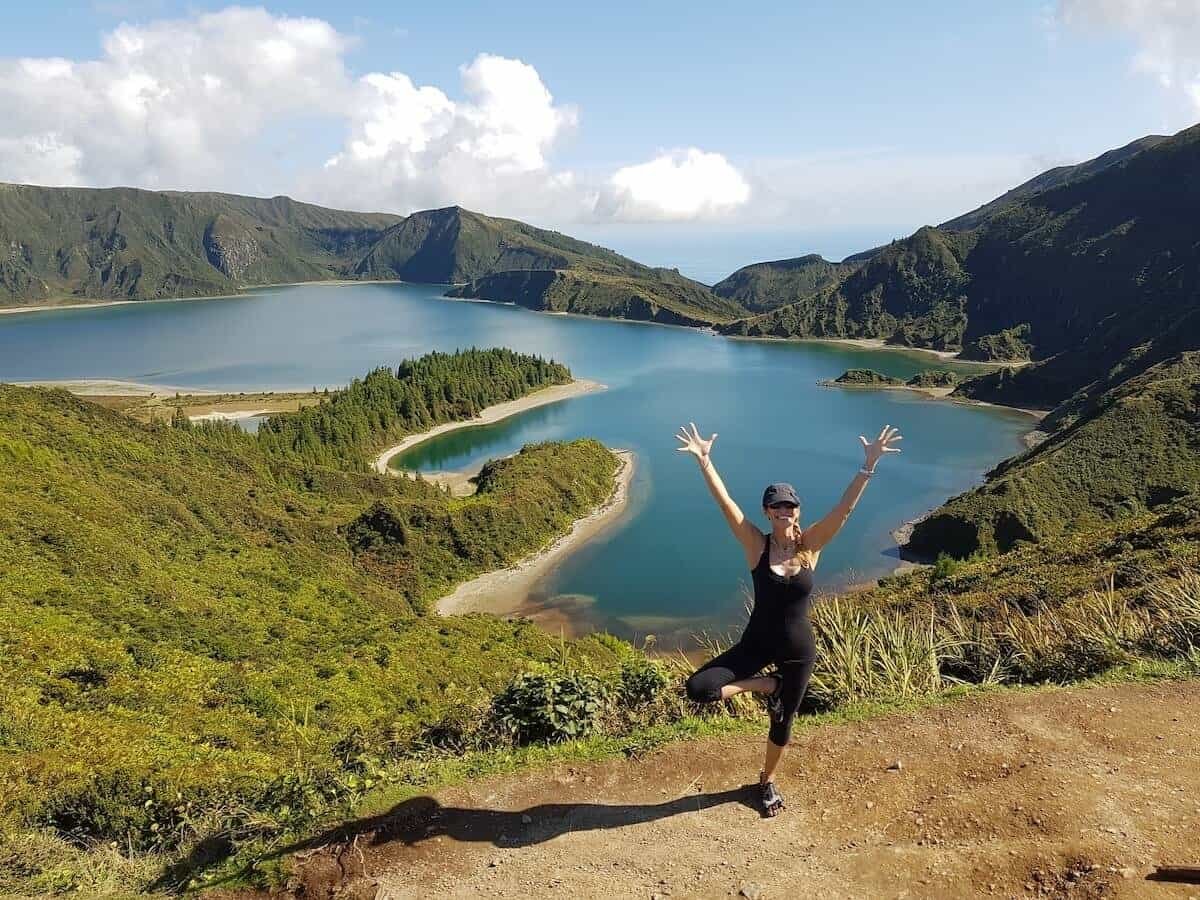
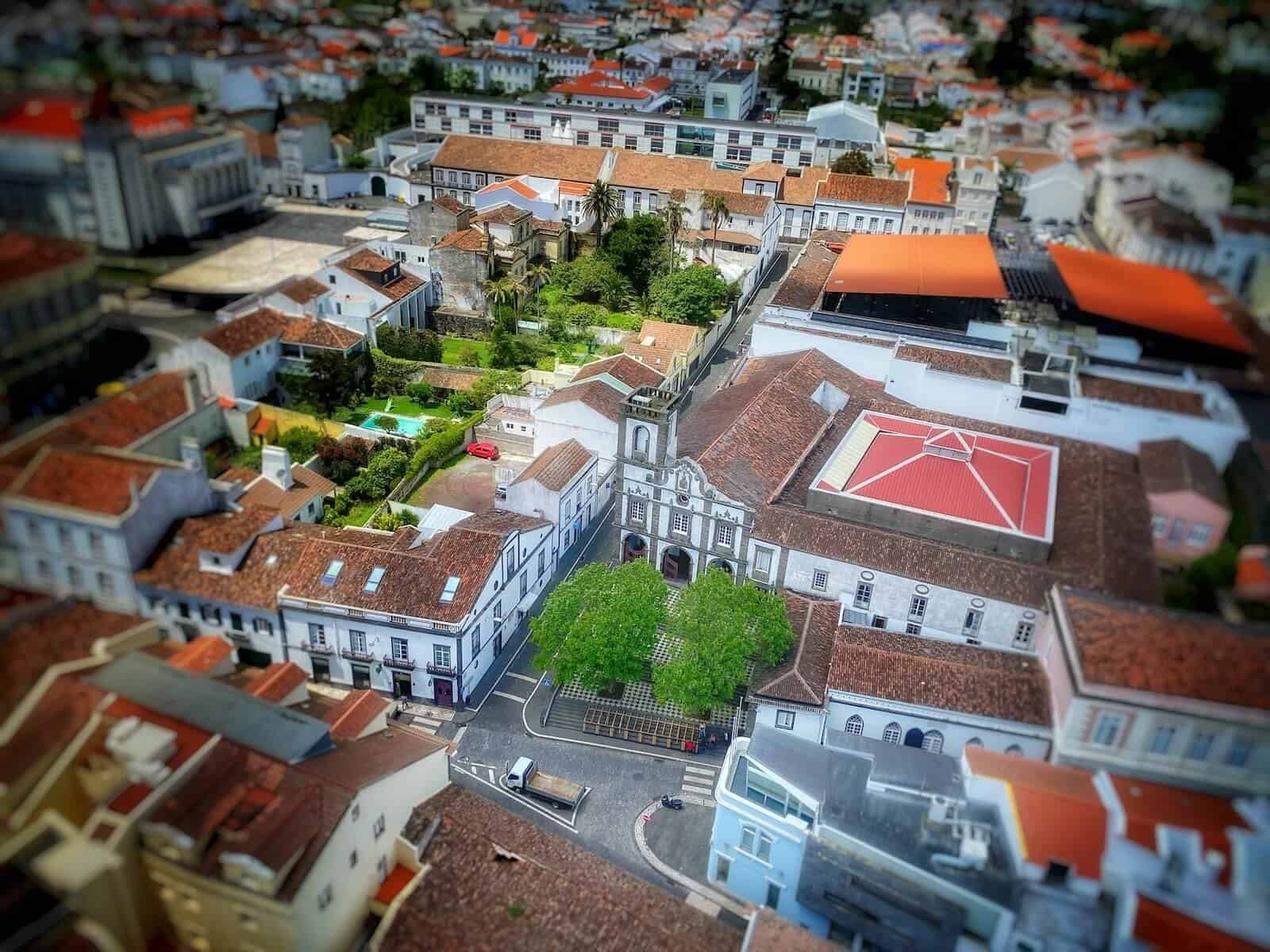
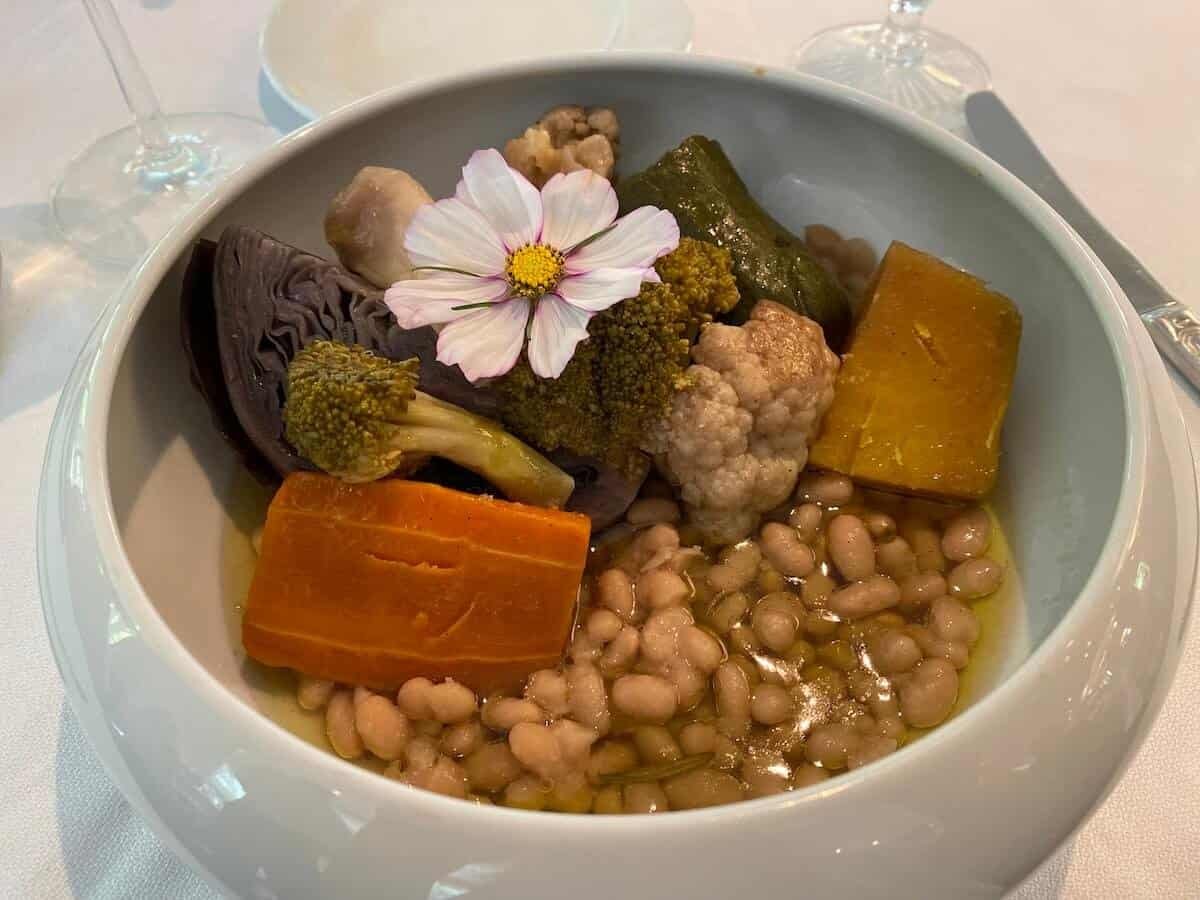
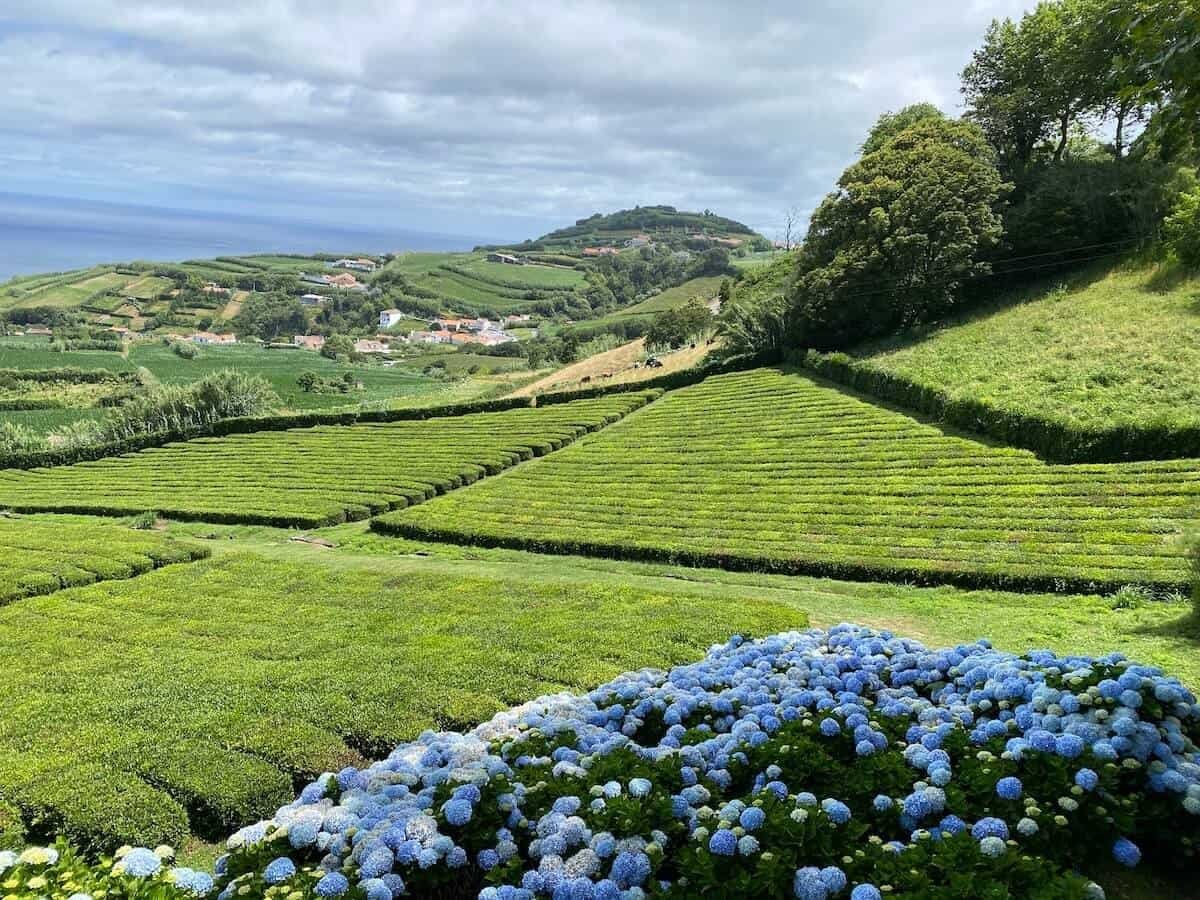
For many travelers, São Miguel serves as an introduction to the Azores. But many return again and again, discovering something new each time.
With its remarkable diversity of landscapes, activities, and experiences, this is the island offering the broadest glimpse into what makes the archipelago so extraordinary.
São Miguel at a Glance
Location
Eastern Group / Grupo Oriental
Size
290 mi² / 760 km²
Population
Around 140,000 people
Main City
Ponta Delgada
Landscapes
Crater lakes, geothermal valleys, dramatic coastlines, beaches, forests, waterfalls
Experiences
Scenic drives and hikes, photography,
hot spring bathing, whale watching and other water sports
Frequently Asked Questions
1. Is it worth it to visit São Miguel?
São Miguel is the easiest island to recommend for first-time visitors wanting to experience the highlights of the archipelago. As the largest and most diverse island, it combines many of the landscapes that make the Azores special: crater lakes, geothermal valleys, forests, and dramatic coastline . Unless you really prefer the quieter atmosphere of the smaller islands, you can’t go wrong with this island, especially as a first-time visitor.
2. What’s the best way to get to São Miguel?
São Miguel is the main gateway to the Azores and is home to the archipelago’s largest airport, João Paulo II Ponta Delgada Airport. It receives direct flights from Portugal, North America, and several European cities, while regular inter-island flights connect it to the rest of the archipelago. Currently, there is not an Atlanticoline ferry connecting it with other islands.
3. Should I rent a car on São Miguel?
While tours are wonderful and taxis are convenient, renting a car will give you the most freedom to explore the island. Many of São Miguel’s most spectacular viewpoints, crater lakes, hiking trails, and coastal areas are easiest to reach with your own vehicle. Roads are generally well maintained but can be quite narrow in the towns and villages. So be careful not to hit other vehicles’ side mirrors while driving, and it’s best to fold in your street-facing side mirror when street parking.
4. What are the top things to do on São Miguel?
Top experiences on São Miguel include visiting the crater lakes of Sete Cidades and Lagoa do Fogo, exploring the geothermal wonders and soaking in the hot pools in the resort town of Furnas, exploring the historic city of Ponta Delgada, touring the tea plantations, hiking along the coast and to waterfalls, swimming and other water-based activities, relaxing on Santa Barbara beach, and scenic drives with stops at designated viewpoints.
5. Tell me more about the island’s geothermal wonders .
São Miguel is one of the most volcanically active islands in the Azores, and nowhere is this more evident than in the town of Furnas in the eastern part of the island. Here you’ll find steaming fumaroles, bubbling mud pools, inviting hot springs, and geothermal cooking pits, where the famous Cozido das Furnas is slow-cooked underground. The area’s geothermal activity is also responsible for the natural hot springs and thermal bathing areas at Parque Terra Nostra and Poça da Dona Beija, which have attracted wellness-seeking visitors for generations.
6. How many days should I spend on São Miguel?
Five to seven days is ideal for most visitors. Five days allows enough time to see the island’s major highlights, while a full week gives you time to explore at a slower pace and build in some time for relaxing at the beach or hot springs.
7. What’s the best time to visit São Miguel?
No matter when you visit, be prepared for rapidly changing weather conditions. São Miguel can be visited year-round thanks to its mild climate. July through October generally offers the best weather for hiking, sightseeing, and outdoor activities. Those visiting in winter may score some great deals on accommodations and car rentals, but storms sweep in during this time, often with high winds and consecutive days of rain. Spring brings lush green landscapes, but fog is common at this time, which can disrupt flights and even lead to cancellations.
Anchor in the Islands
Get the latest stories and updates