Corvo: Europe’s Wild, Western Edge
Tiny, remote, and windswept, Corvo feels like the edge of the known world.
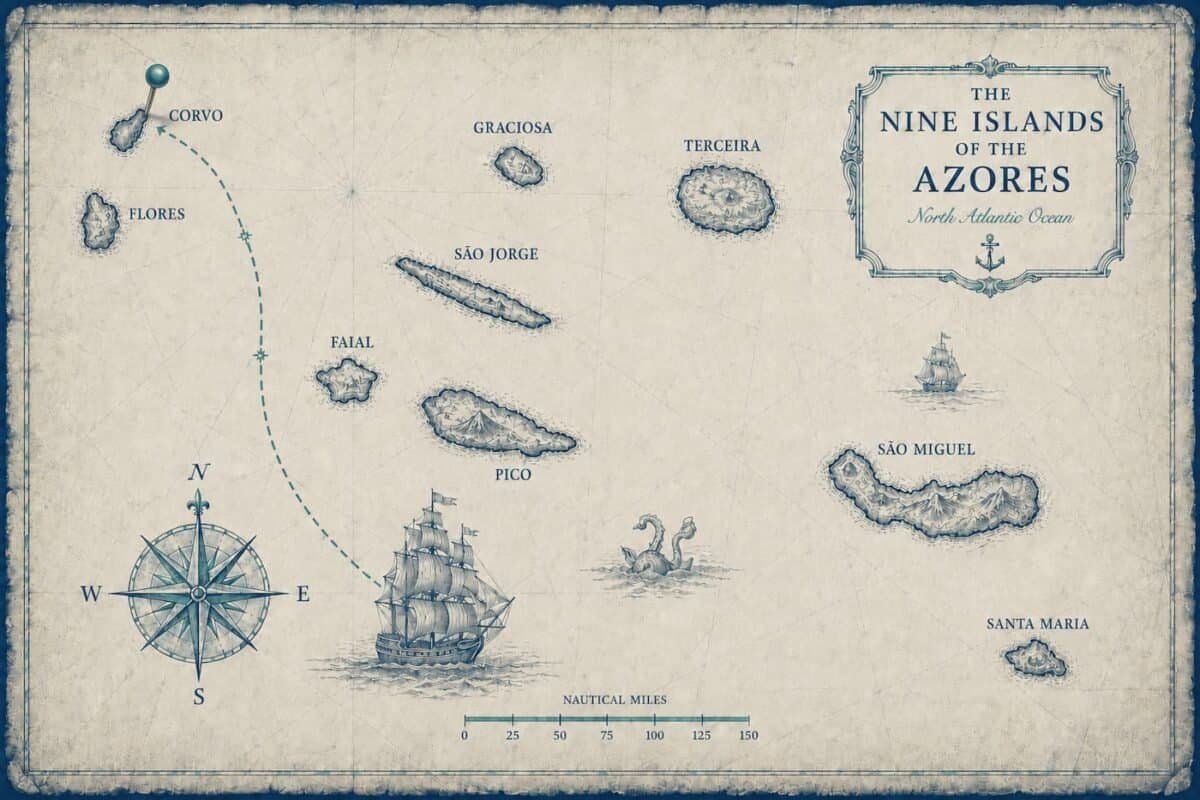
Corvo — which means “crow” in Portuguese — is the smallest island in the Azores, located on the northwestern edge of the archipelago. Known as the Black Island for its dark volcanic terrain, it is home to just one small village, Vila do Corvo, and a population of roughly 400 residents.
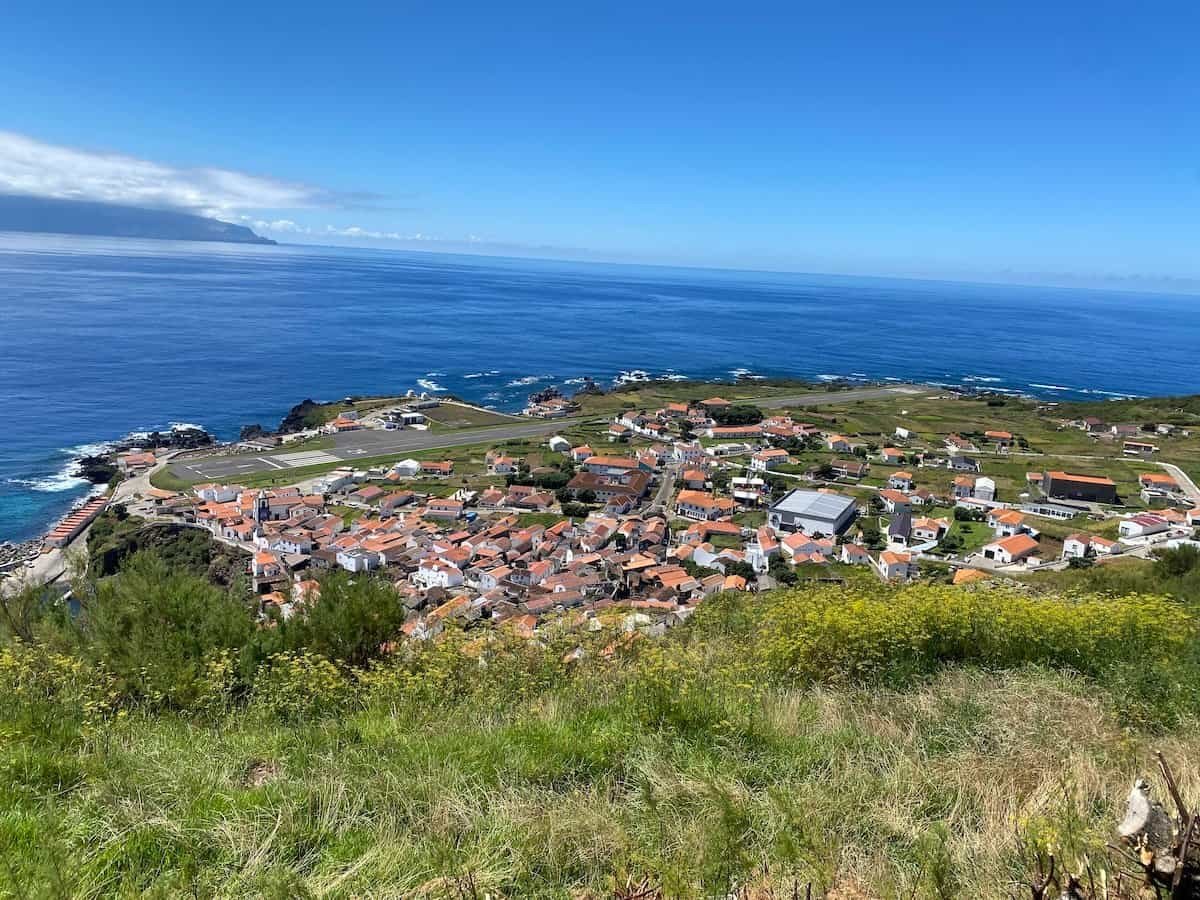
Corvo’s remoteness combined with its dramatic scenery and weather make it unlike anywhere else in Portugal. It’s a place untouched by time, where nature is still very much the boss.
The island may be small, but it holds outsized ecological importance. It’s recognized as a UNESCO Biosphere Reserve for its unusual landscapes, traditional way of life, and rich biodiversity.
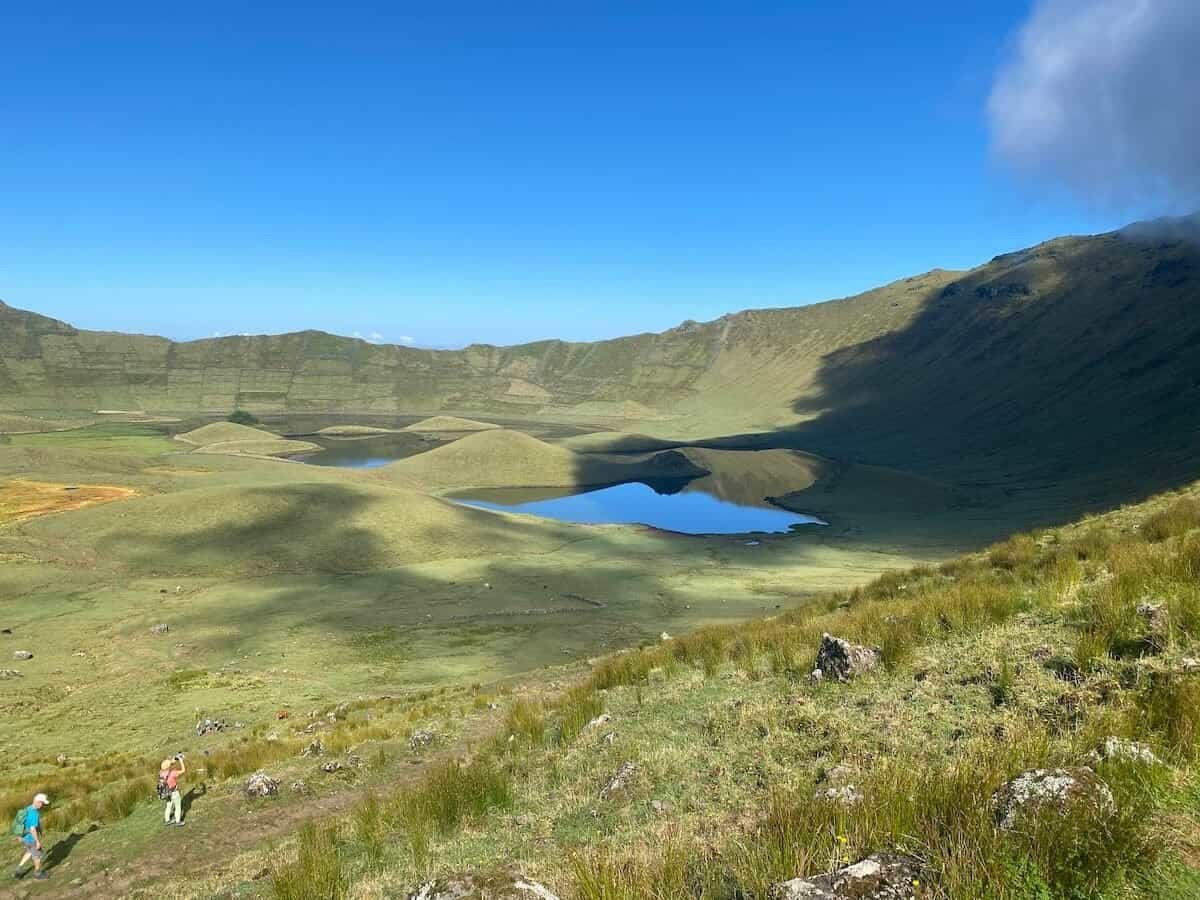
Exploring Corvo’s massive volcanic caldera is a highlight of many people’s trip to the island.
Corvo at a Glance
Location
Western Group / Grupo Ocidental
Size
7 mi² / 17 km²
Population
Around 400 people
Main City
Vila do Corvo
Landscapes
Rocky terrain, large central caldera
Experiences
Hiking, birding, slow travel
Frequently Asked Questions
1. Is it worth it to visit Corvo?
Absolutely — especially for those drawn to remote places, dramatic landscapes, and slow travel. Even a single day on Corvo offers a glimpse into one of Europe’s most isolated island communities.
2. What’s the best way to get to Corvo?
Most visitors arrive by a small inter-island flight through SATA Azores Airlines or by Atlanticoline ferry or boat from nearby Flores. Because Corvo is small and exposed to Atlantic weather, transportation schedules can occasionally be affected by wind and sea conditions.
3. Can you rent a car on Corvo?
Rental cars are not available on Corvo, and truthfully, you won’t need one. The island is so small that most visitors explore the island on foot or via local taxi van.
4. What are the top things to do on Corvo?
The island’s biggest attractions are its dramatic landscapes and peaceful environment. Popular activities include birdwatching, visiting the Caldeirão (volcanic crater) at the center of the island, hiking in the caldeirão and on other trails around the island, exploring the tiny village of Vila do Corvo, and simply experiencing life on one of the most remote islands in Europe.
5. Tell me more about birding on Corvo.
Corvo is an internationally renowned birding destination. Because of its position in the mid-Atlantic, the island acts as a natural stopping point for migratory birds traveling between North America and Europe. In autumn, around 50 different kinds of birds can be found here, including land birds, water birds, and vagrant species.
6. How many days should I spend on Corvo?
Many visit Corvo as a day trip from Flores, which is enough time to visit the Caldeirão and explore the village. Birdwatchers and travelers seeking a slower travel experience may prefer to stay a few extra days.
7. When is the best time to visit Corvo?
No matter what season you visit, be prepared for rapidly changing weather conditions. July through early autumn offers the most reliable weather for traveling to this remote island by ferry or small plane. September and October are considered the best months for birdwatching, when migratory birds arrive on the island during Atlantic crossing season. Springtime may also be lovely but can also be very rainy, and fog this time of year can disrupt flights or even lead to cancellations.
Anchor in the Islands
Get the latest stories and updates