Flores: The Azores’ Waterfall-Streaked Garden
A land of steep cliffs, lush forests, and roaring cascades, Flores is the Azores at its greenest and most dramatic.
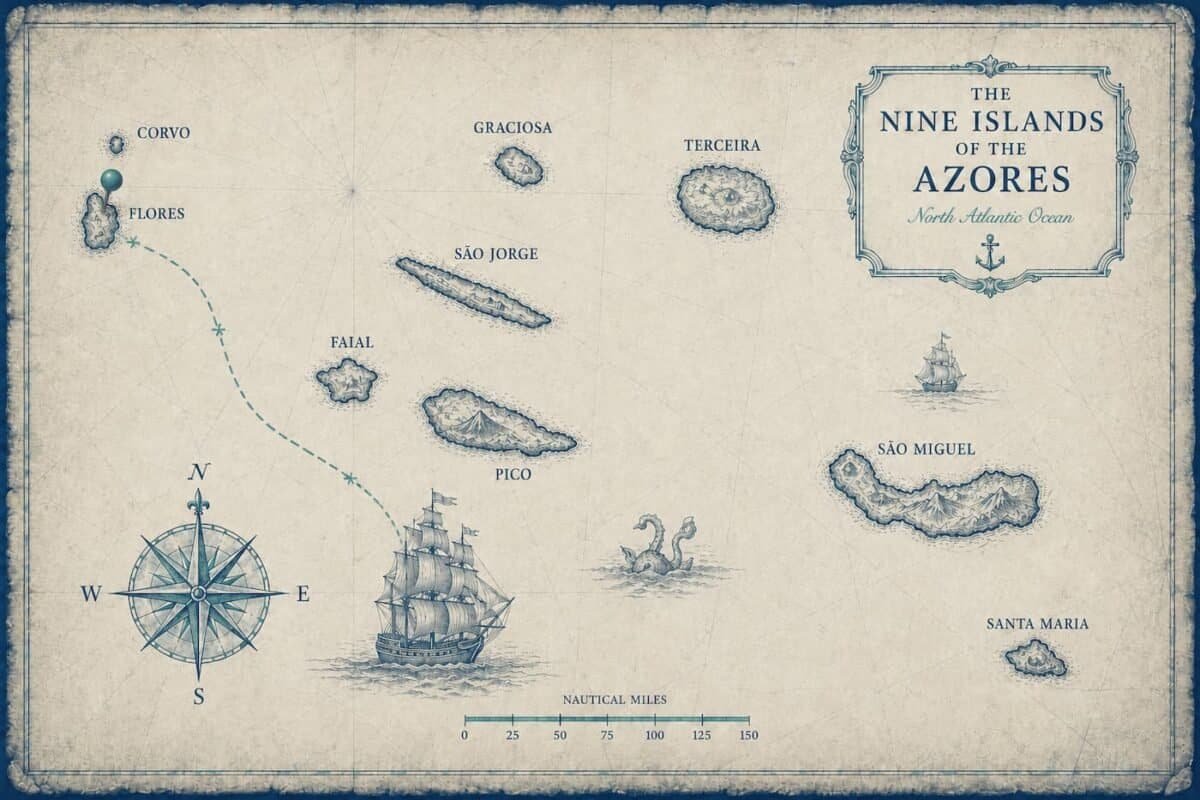
Flores sits at the westernmost edge of the Azores and also Europe. Its name means “flowers” in Portuguese, an homage to the abundant blooms in its landscape, which also earned it its nickname of the Pink Island. Like Corvo, it’s a remote and otherworldly island. Recognized as a UNESCO Biosphere Reserve, Flores is known for its biodiversity and rugged coastal scenery.
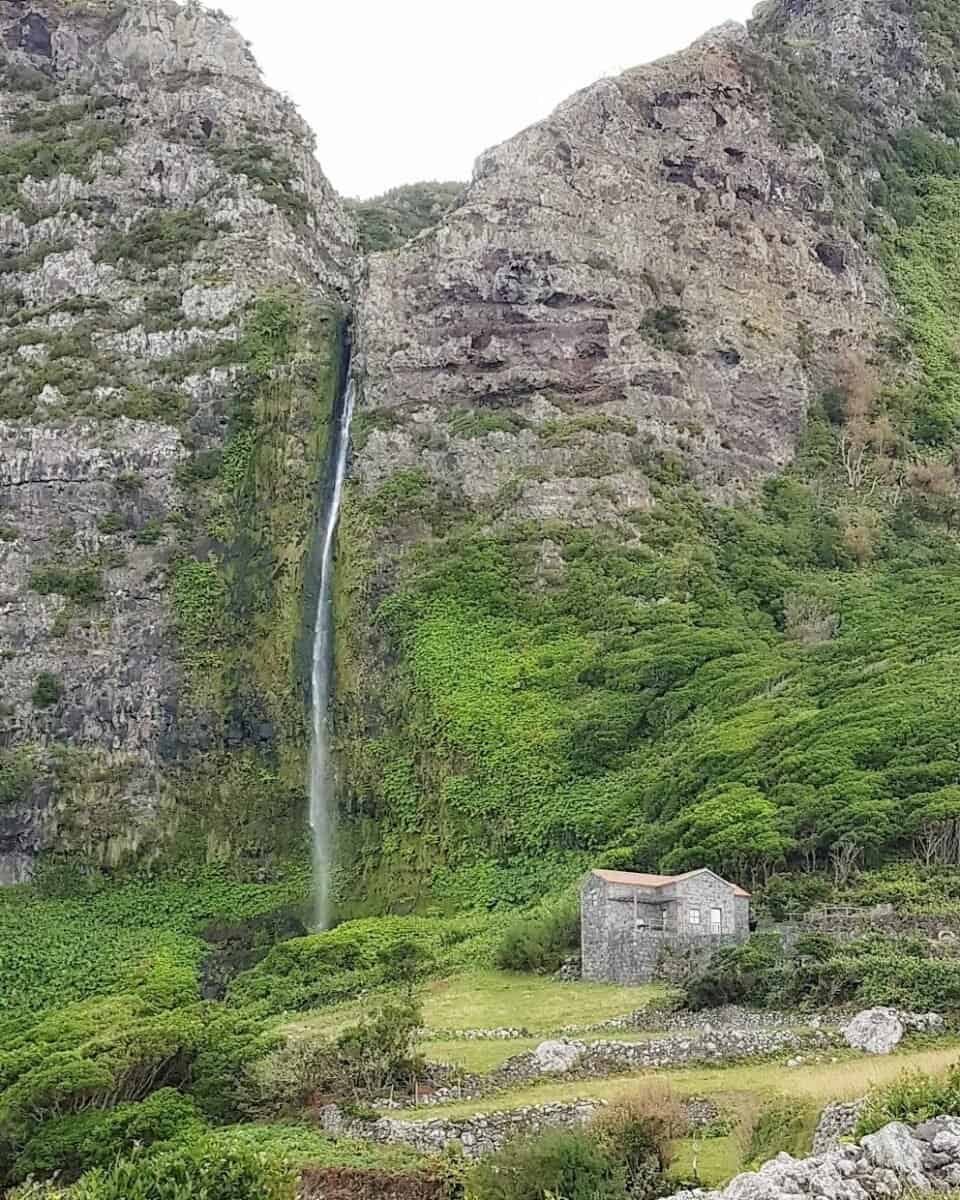
It’s also known for its abundance of fresh water, which softens the harshness of the volcanic landscape. The island receives some of the highest rainfall totals in the Azores, nourishing its lush landscapes, where dozens of waterfalls pour over jagged cliffs, crater lakes fill ancient calderas, and mists drift across the highlands, even in summer.
Despite its remote location, Flores offers remarkable variety for travelers. This is one of the best islands in the Azores for solitude seekers, photographers, and birdwatchers.
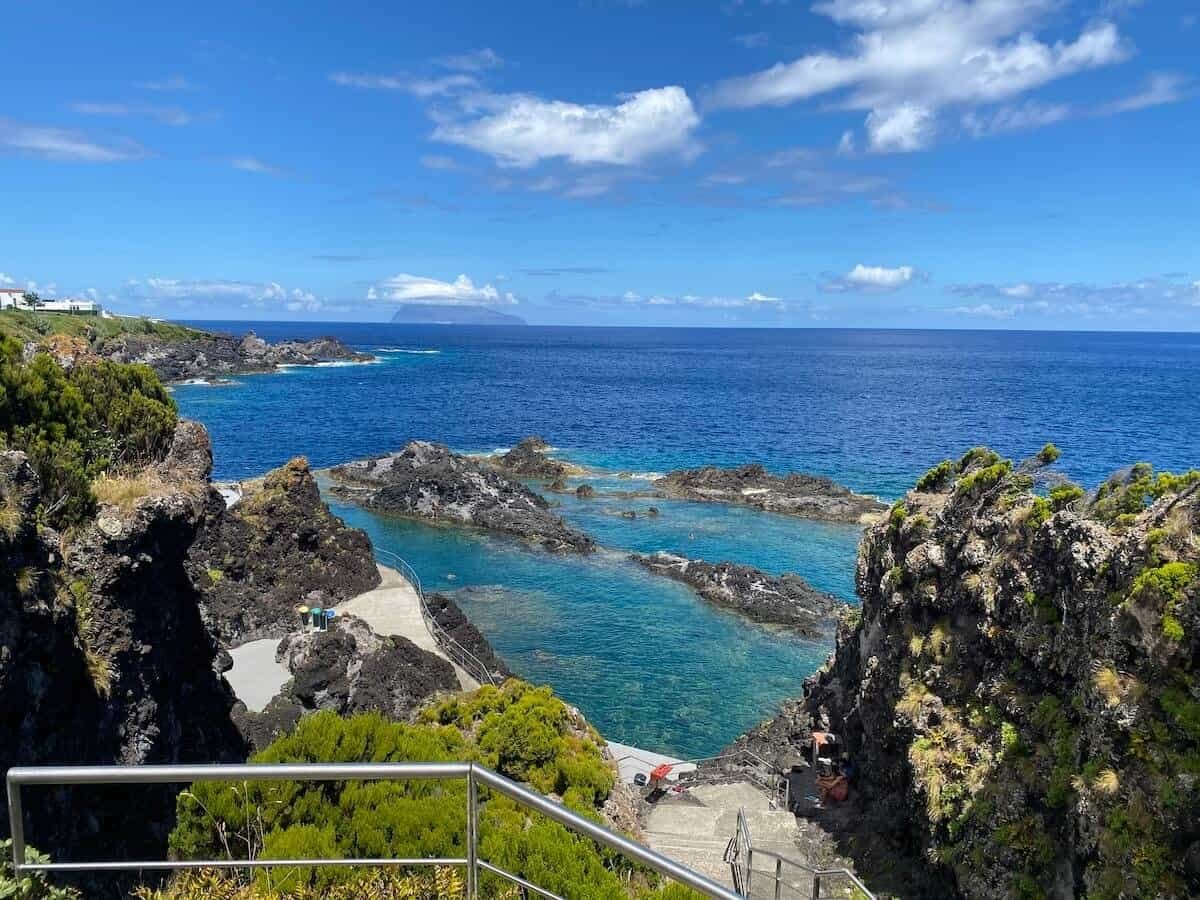
On Flores, hiking trails weave through misty forests and old stone villages, boat rides provide close-up views of coastal cascades, and crystal-clear natural pools provide sublime spots for ocean swims.
Flores at a Glance
Location
Western Group / Grupo Ocidental
Size
54 mi² / 141 km²
Population
Around 3,400 permanent residents
Main City
Vila do Corvo
Landscapes
Waterfalls, greenery, crater lakes
Experiences
Hiking, boat trips, photography
Frequently Asked Questions
1. Is it worth it to visit Flores?
Many consider Flores to be the most beautiful island in the Azores. Known for its dramatic waterfalls, crater lakes, lush green landscapes, and remote location, Flores offers a wilder and less-developed experience than the archipelago’s larger islands. If you enjoy hiking, photography, nature, and off-the-beaten-path destinations, Flores is well worth the journey.
2. What’s the best way to get to Flores?
Most visitors reach Flores by air. SATA Air Açores operates regular interisland flights from several other islands, including São Miguel, Terceira, and Faial. During the summer months, Atlanticoline ferries connect Flores with nearby Corvo, making it easy to visit both islands during the same trip.
3. Should I rent a car on Flores?
Yes. While Flores is relatively small, many of its most spectacular viewpoints, waterfalls, hiking trailheads, and natural attractions are spread across the island. Renting a car provides the flexibility to explore at your own pace and is the most convenient option for most visitors. The main roads are well maintained, but be advised that some stretches are steep and winding.
4. What are the top things to do on Flores?
Top experiences on Flores include visiting waterfalls like Poço da Ribeira do Ferreiro, exploring the crater lakes of the central plateau, hiking coastal and inland trails, swimming in natural pools, visiting the picturesque village of Fajã Grande, and taking a boat trip to see coastal waterfalls and sea caves. Many visitors also combine Flores with a day trip to nearby Corvo.
5. Tell me more about Flores’ waterfalls.
Flores has some of the most spectacular waterfalls in the Azores. Thanks to the island’s abundant rainfall and steep volcanic terrain, dozens of cascades rain down cliffs and mountainsides throughout the year. The most famous is Poço da Ribeira do Ferreiro, where multiple falls plunge into a lush green valley, creating one of the Azores’ most photographed landscapes.
6. How many days should I spend on Flores?
Three to four days is ideal for most visitors. This allows enough time to explore the island’s major sights, do some hikes, take a day trip to Corvo, and experience the island’s slower pace of life. Travelers who enjoy hiking or photography may wish to stay even longer.
7. What’s the best time to visit Flores?
No matter what season you visit, be prepared for rapidly changing weather conditions. Late spring through early October generally offers the best weather for exploring Flores. Summer brings warmer temperatures and longer daylight hours, while late spring often showcases the island’s waterfalls, wildflowers, and vibrant greenery at their most impressive. However, note that springtime can also be very rainy, and the fog this time of year can disrupt flights and even lead to cancellations.
Anchor in the Islands
Get the latest stories and updates