
Santa Maria: The Sunshine Island
With its dreamy beaches, trekking routes, and some of the warmest weather in the archipelago, Santa Maria offers a side of the Azores you won’t see on any other island.
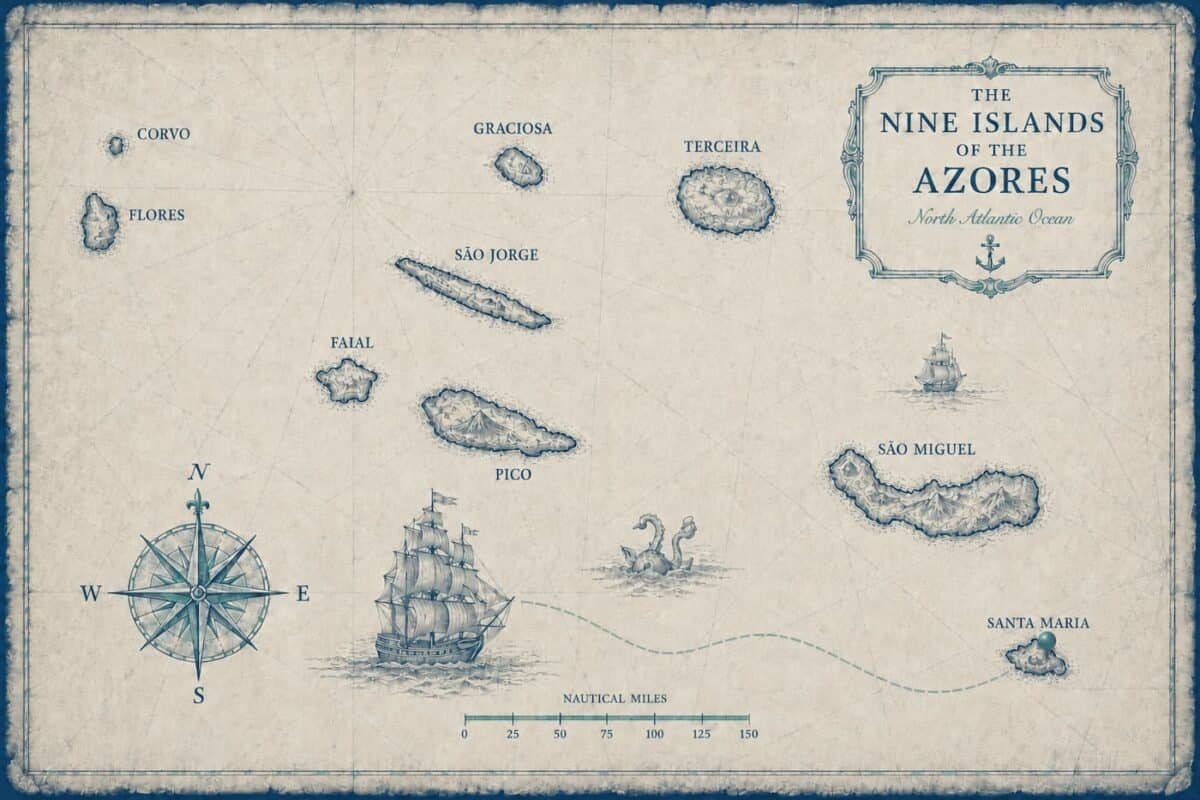
Called the Yellow Island for its sunshine and gold-tinged terrain, Santa Maria is the southernmost island in the Azores and enjoys a slightly warmer and dryer climate. But it stands apart for many other reasons, too.
Santa Maria is the oldest island in the Azores, with a volcanic landscape softened by millions of years of erosion and geological change. Besides its famous beaches, it is home to the archipelago’s only significant fossil deposits along with the striking red badlands of Barreiro da Faneca. Together, these features create a landscape unlike anywhere else in the Azores.
The island also occupies a special place in Atlantic history. As written in his own journals, Christopher Columbus stopped at Santa Maria on his return voyage from the Americas in 1493, making it one of the first places in Europe to hear news of the New World. Another interesting historical fact: As modern air travel began to connect Europe and North America, Santa Maria served as one of the Atlantic’s most important aviation crossroads.
Visitors who come to the island for its beaches and balmy weather may be surprised to discover so much more: its breathtaking scenery, fascinating history, welcoming villages, and a trekking route around the entire island.
Santa Maria at a Glance
Location
Eastern Group / Grupo Oriental
Size
38 mi² / 97 km²
Population
Around 5,400 people
Main City
Vila do Porto
Landscapes
Golden-sand beaches, steep green hills, open plains, and red badlands
Experiences
Swimming, hiking and multi-day trekking scenic drives
Frequently Asked Questions
1. Is it worth it to visit Santa Maria?
Santa Maria may is one the Azores’ hidden gems. The less-visited island boasts a balmier climate, distinct landscapes, and a fascinating history linked to both Atlantic exploration and early aviation. Those seeking a quieter, sunnier, softer side of the Azores will find Santa Maria truly rewarding.
2. What’s the best way to get to Santa Maria?
Most visitors arrive by air (a commercial ferry used to connect Santa Maria and São Miguel, but it’s no longer operating). Santa Maria Airport receives regular inter-island flights and, in the high season, flights directly from mainland Portugal.
3. Should I rent a car on Santa Maria?
Hiring a taxi or renting a car is the best way to explore the rolling hills and intricate coastlines of Santa Maria. While the island is relatively small, its treasures are relatively spread out. As on other islands, buses are available but quite limited here.
4. What are the top things to do on Santa Maria?
Top experiences on Santa Maria include relaxing on its famous beaches and partaking in water sports like swimming and diving in the warm ocean. Scenic drives around the island are a wonderful way to take in the dispersed highlights, including the striking landscapes and coastal viewpoints, historic landmarks, and charming towns and villages. Walkers will appreciate the island’s many trails, including the 49-mile (78 km) Grand Route of Santa Maria, which encircles the island and takes 4 to 5 days to complete.
5. Tell me more about Santa Maria’s beaches.
Santa Maria is home to the Azores’ most famous sandy beaches. Praia Formosa is the island’s largest and best-known beach, while nearby São Lourenço Bay offers an equally stunning setting, with golden sand backed by vineyard-draped terraces that descend to the sea. Beyond these headline beaches, visitors will find natural swimming areas at Anjos, Maia, and other coastal villages, making Santa Maria one of the best islands in the archipelago for enjoying all things ocean.
6. How many days should I spend on Santa Maria?
Three to five days is ideal to allow for beach time and exploring the island. Travelers looking to slow down and experience local life may prefer a week or more.
7. What’s the best time to visit Santa Maria?
Regardless of when you visit, be prepared for rapidly changing weather conditions. Santa Maria is enjoyable year-round, but July through early autumn offers the best conditions for hiking, swimming, and outdoor activities. Springtime can be lovely but can also be rainy, with fog that can disrupt flights or even lead to cancellations. Despite the island’s slightly warmer climate, it still experiences typical Azorean winter weather (e.g., storms, wind, and rain) from October through May.
Anchor in the Islands
Get the latest stories and updates