Faial: Where Sailors Gather Beneath Volcanoes
Home to the Azores’ most famous marina and its most recent volcanic eruption, Faial blends cosmopolitan culture and lava-scarred landscapes.
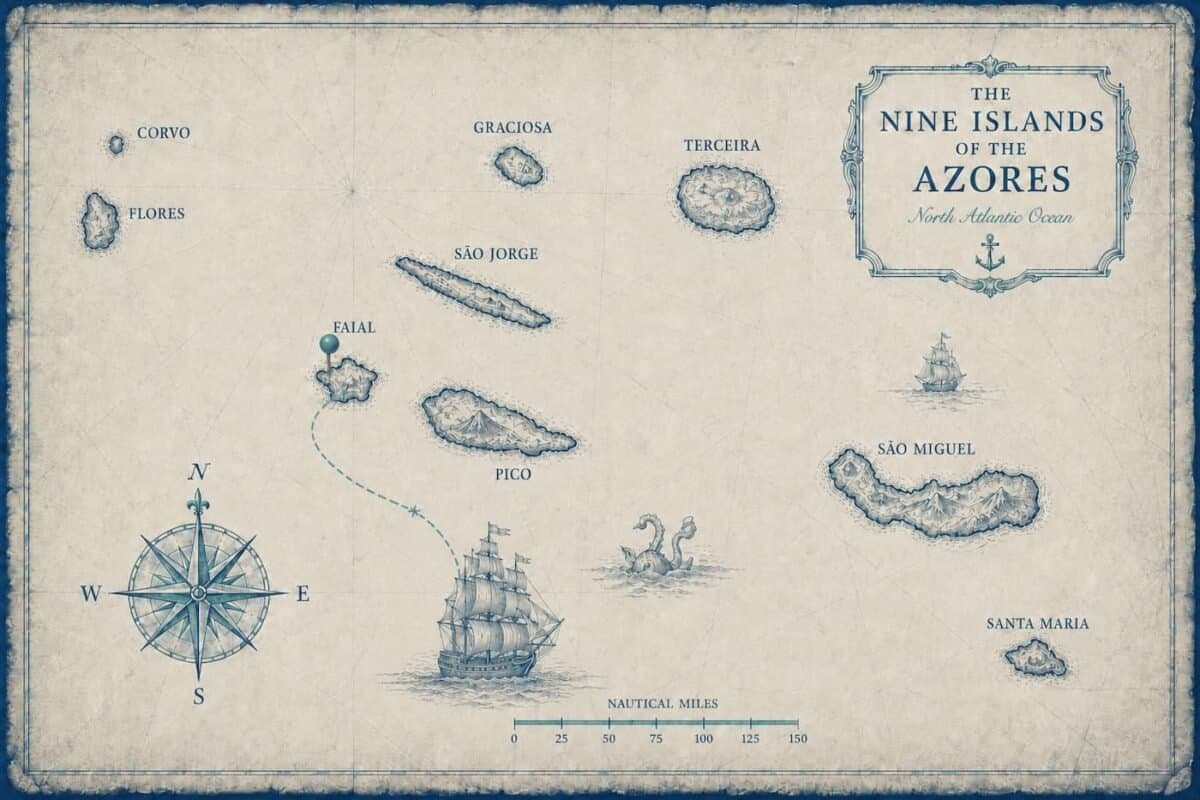
Known as the Blue Island for the rows of hydrangeas lining its streets and pastures, Faial is one of the Central Group’s Triangle Islands, which also include Pico and São Jorge. Home to around 14,000 residents, Fail’s identity is closely linked to both sea and fire.
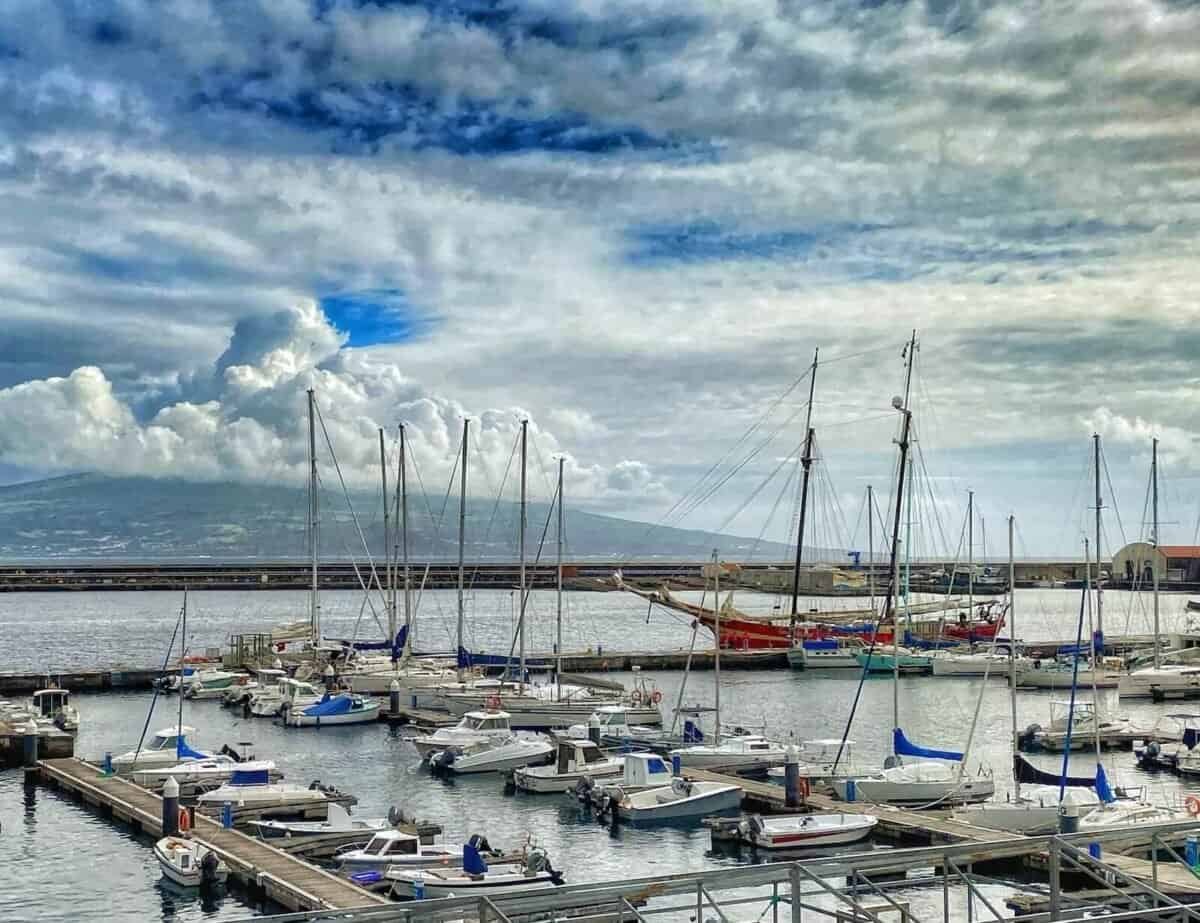
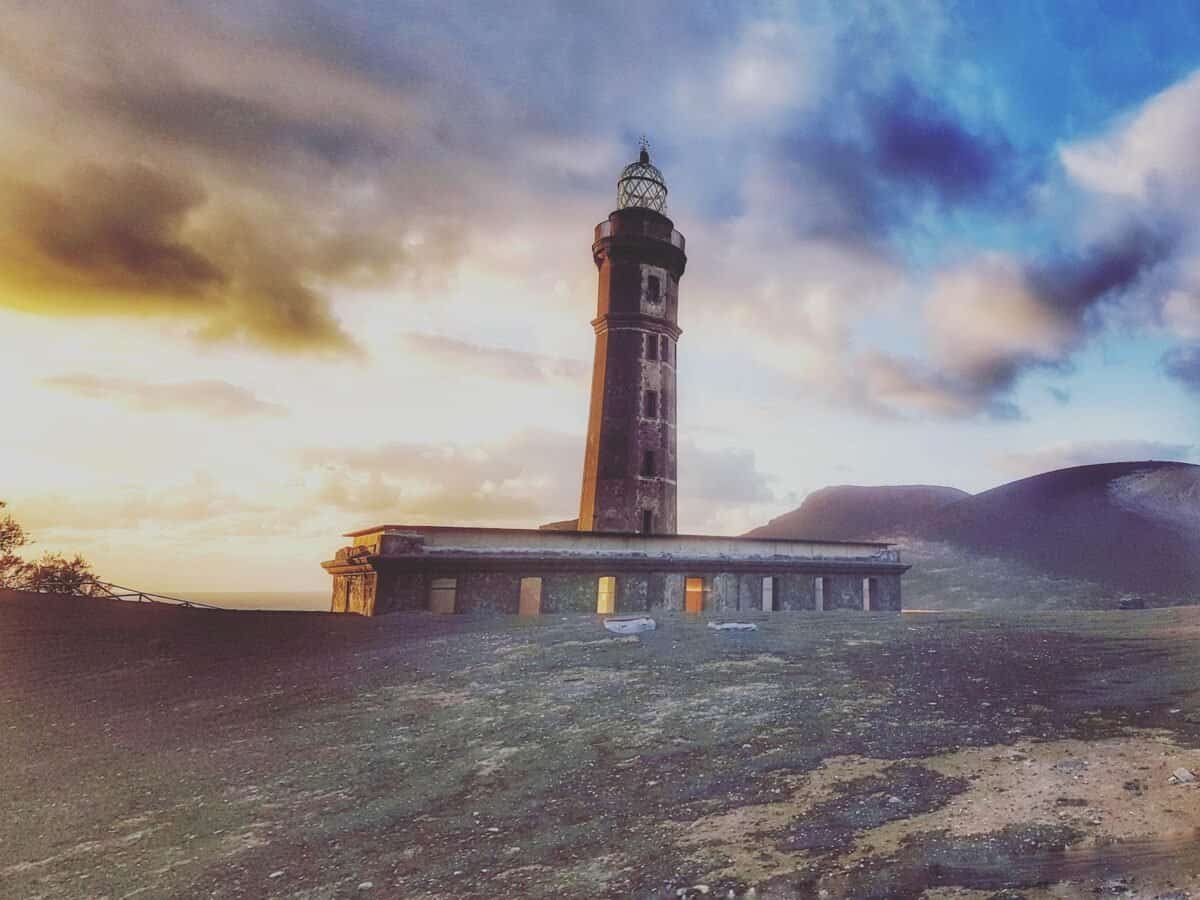
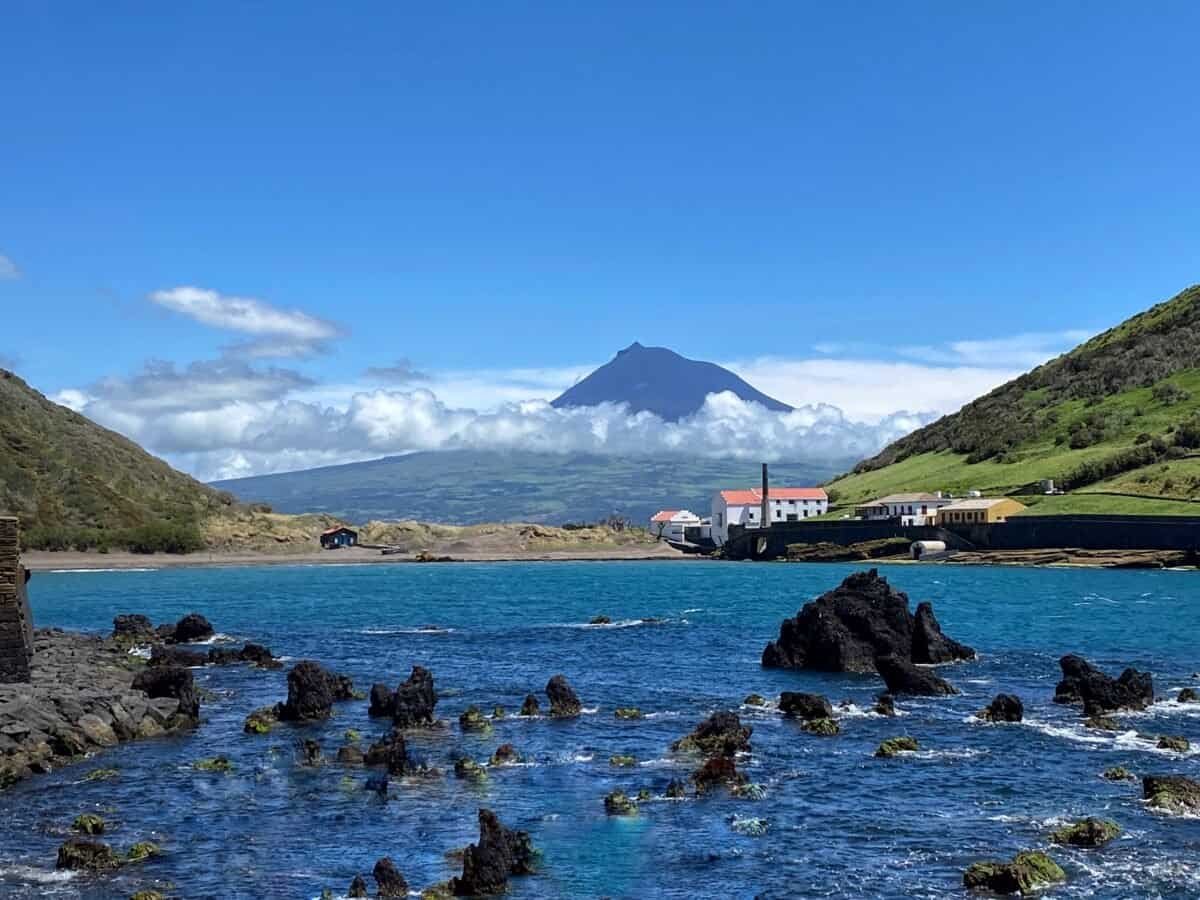
On the island’s southeastern side is the Horta Marina, the world’s fourth busiest yacht harbor. Separated from Pico Island by only a narrow channel, the marina and bay afford spectacular views of massive Pico Mountain. The highlight of the island’s other side is Vulcão dos Capelinhos, which dramatically transformed Faial’s northwestern coast during the 1957–58 volcanic eruption.
Visitors to Faial can meander through its colorful marina, marvel at its vast central caldera, and explore the Mars-like volcanic landscape at Capelinhos. Few places in the Azores blend natural beauty, history, and global connections quite so effortlessly.
More than a century before the internet, Faial played a key role in advancing global communication networks, serving as a main hub for the first transatlantic telegraph cable between Europe and North America.
Faial at a Glance
Location
Central Group / Grupo Central
Size
67 mi² / 173 km²
Population
Around 14,500 people
Main City
Horta
Landscapes
Bays, volcanoes, large central caldera
Experiences
Sailing culture, volcano tourism
Frequently Asked Questions
1. Is it worth it to visit Faial?
Those staying in the Central Islands should definitely hit Faial to experience the heart of sailing culture in the archipelago. Horta’s Peter’s Cafe Sport is one of the most famous sailor bars in the world.
2. What’s the best way to get to Faial?
Faial’s airport receives direct flights from Lisbon as well as from other islands. In addition, a year-round Atlanticoline ferry connects Faial to both Pico and São Jorge, and a summertime ferry connects Faial, Pico, and São Jorge with Graciosa and Terceira.
3. Should I rent a car on Faial?
Those limiting their visit to compact and walkable Horta won’t need a vehicle. Visitors wishing to explore Capelinhos and other parts of the island may want to rent a car. The island’s main roads are well maintained and easy to navigate.
4. What are the top things to do on Faial?
Top experiences on Faial include visiting Horta Marina and Peter’s Cafe, hiking around the central caldera, exploring Capelinhos, and swimming at the golden-sand beach of Porto Pim, at the black-sand beaches of Praia do Almoxarife and Fajã, and in natural pools at Varadouro and other locations around the island . Other water-based activities include sailing, whale watching, snorkeling, and scuba diving.
5. Tell me more about Capelinhos.
When Capelinhos erupted in 1957, Faial transformed before the world’s eyes. What began as a submarine eruption offshore eventually created new land on Faial’s western edge. In addition, ash and debris covered a lighthouse and nearby villages, altering the coastline forever. Lasting until October 1958, the eruption spread fear and uncertainty throughout the archipelago and spurred mass emigration. From 1957 to 1977, around 130,000 Azoreans would leave their homeland to pursue more stable futures and livelihoods.
6. How many days should I spend on Faial?
One day in Horta is sufficient; additional days can be used for whale watching trips and to explore other parts of the island.
7. What’s the best time to visit Faial?
No matter what season you visit, be prepared for rapidly changing weather conditions. Visit from July through early October for the best weather for outdoor adventures. Springtime can be lovely but can also be rainy, and the fog this time of year can delay flights or even lead to cancellations. Occasionally stormy seas from October through April can make ferry trips between Faial, Pico, and São Jorge unpleasant, especially for those prone to sea sickness.
Anchor in the Islands
Get the latest stories and updates