
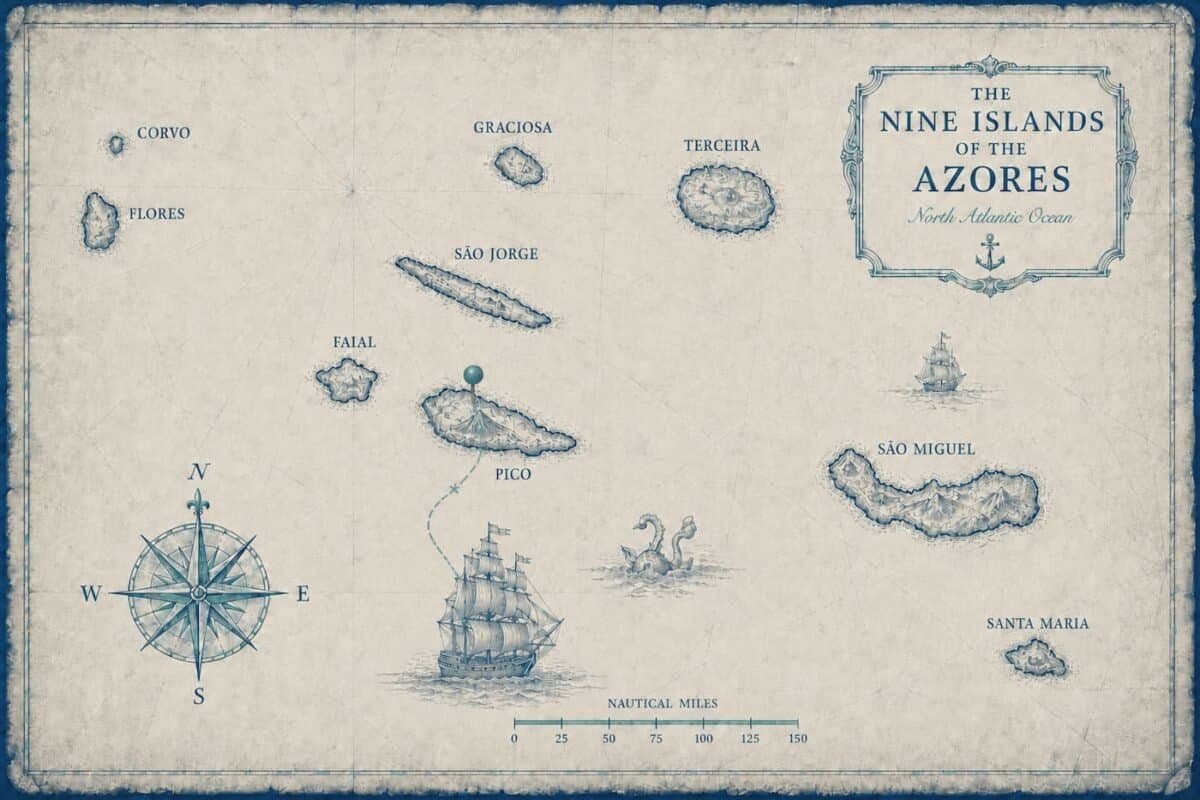
Pico: Wine, Whales, & Portugal’s Tallest Mountain
Dominated by massive Pico mountain, the island of Pico reveals jagged terrain, stone-bound vineyards, and deep Atlantic traditions.
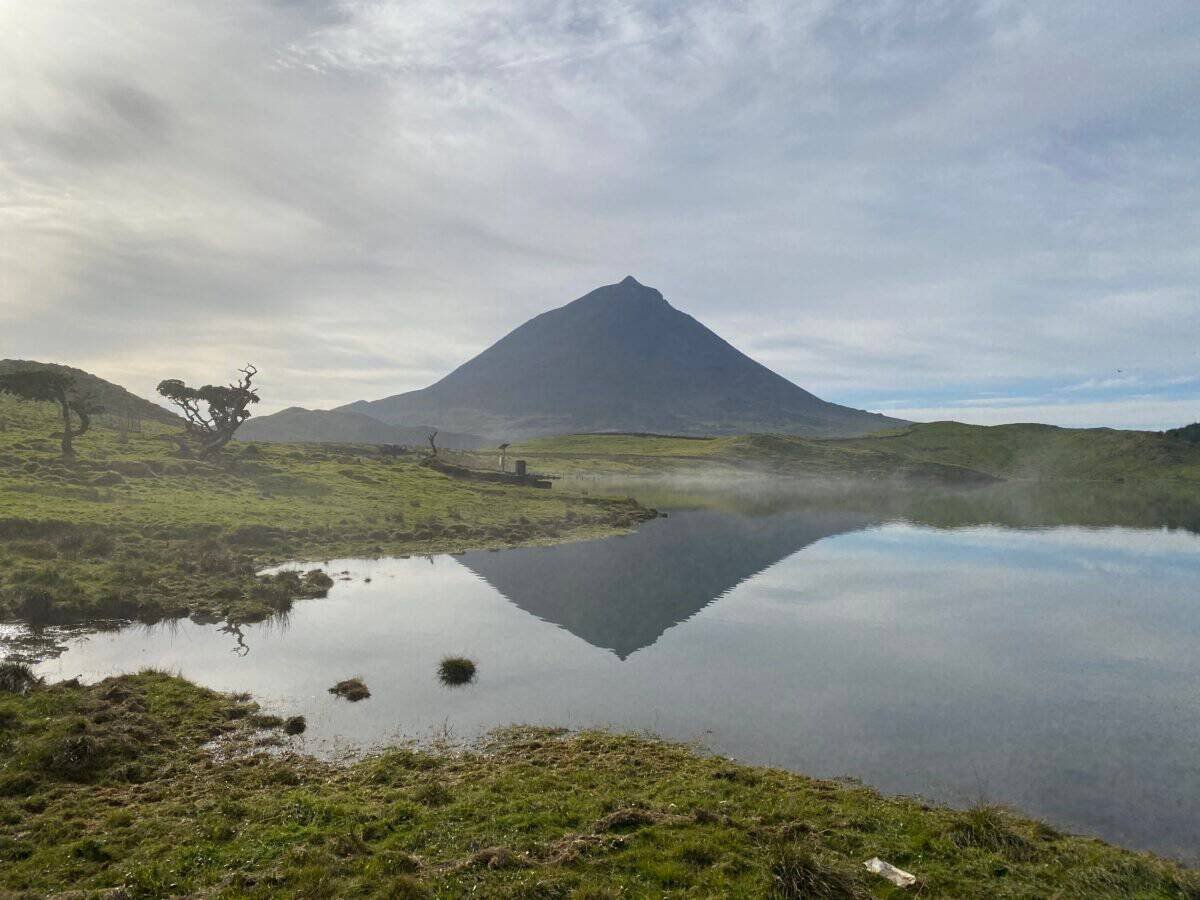
Pico is the second-largest island in the Azores and one of the most recognizable for very tall reasons! Rising 2,351 meters (7,713 feet) above the Atlantic, Pico Mountain is central to the identity of its namesake island, dominating the landscape and even shaping its weather patterns. On clear days, the peak is visible across all the Central Group islands.
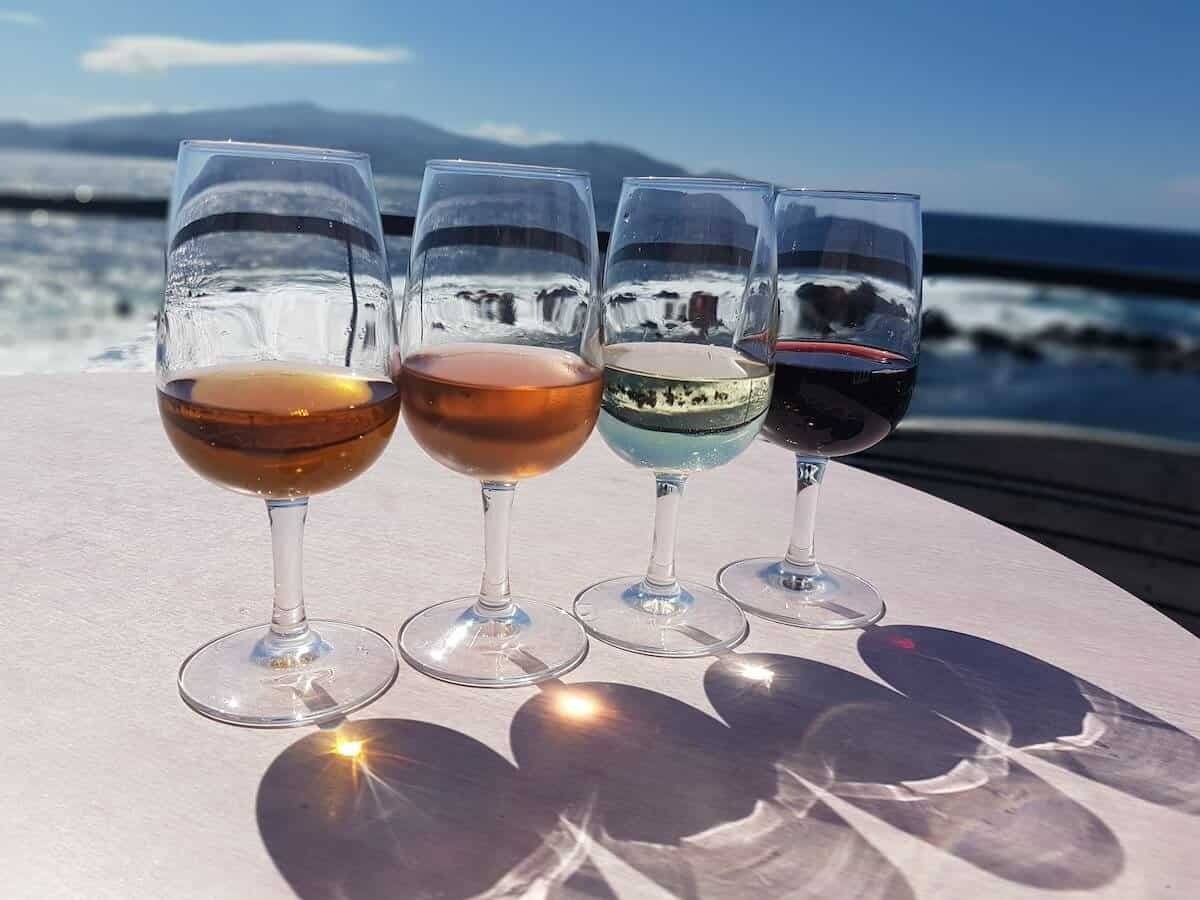
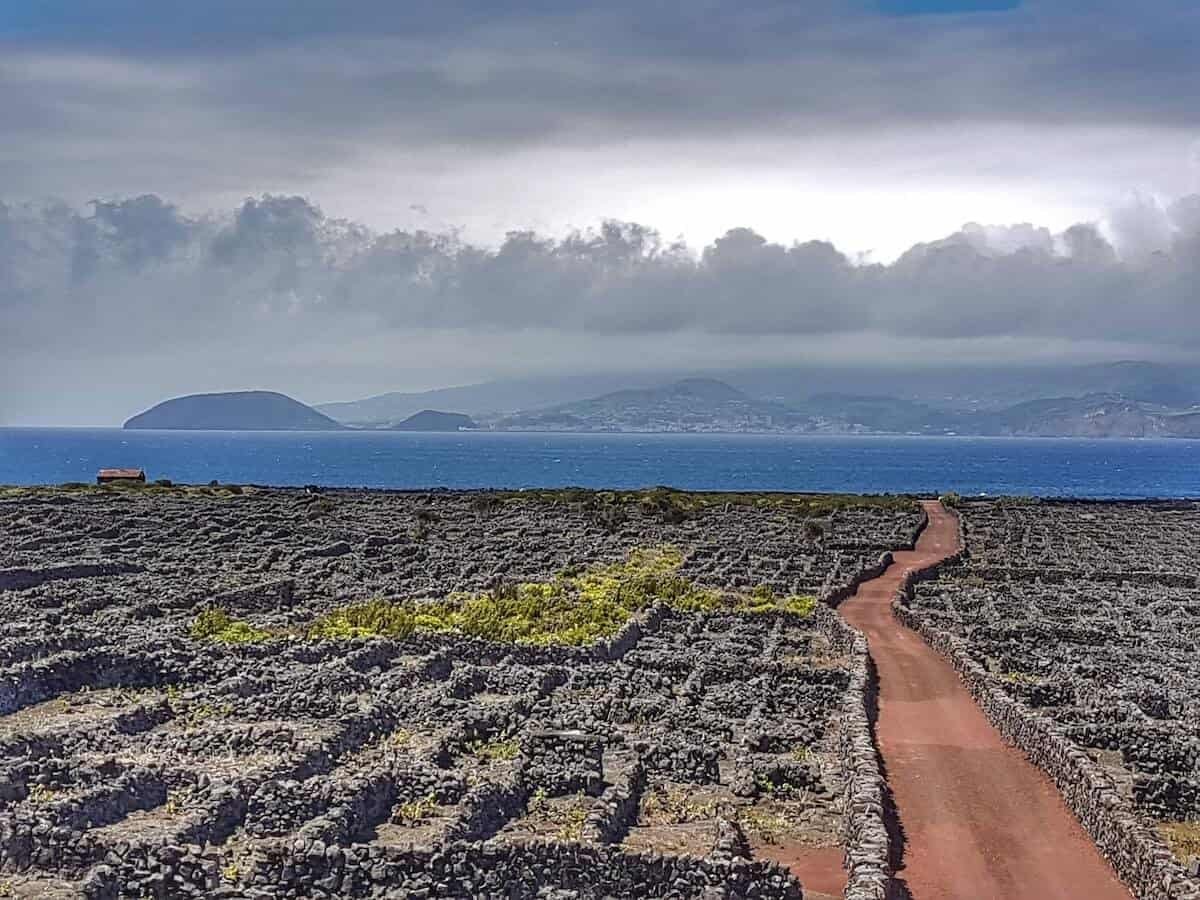
Pico Island’s rugged terrain has long challenged the people who call it home. Over centuries, residents have transformed its stark fields of volcanic rock into patchworks of fertile vineyards. Besides producing signature volcanic wines, these vineyards are also a UNESCO World Heritage Site.
The sea has been equally important to Pico’s story, as the island was once at the center of the Azorean whaling industry. Whale watching remains a popular activity on the island, along with mountain climbing, wine tasting, and culinary experiences at some of the archipelago’s most renowned restaurants.
The hardy people of Pico — the Picoense, as they’re sometimes called — constructed their world-famous vineyards stone by stone over hundreds of years, building labyrinths of lava-rock walls to protect the grapes from sea spray and biting winds.
Pico at a Glance
Location
Central Group / Grupo Central
Size
173 m² / 445 km²
Population
Around 13,500 permanent residents
Main Towns
Madalena, São Roque do Pico, Lajes do Pico
Landscapes
Tall mountain, jagged terrain, volcanic vineyards
Experiences
Mountain climbing, wine tourism, whalewatching
Frequently Asked Questions
1. Is it worth it to visit Pico?
If you only visit one island besides São Miguel, make it Pico. While Pico Mountain may be the island’s most famous landmark, it’s the combination of iconic mountain, viniculture, wellness tourism, and maritime history that makes Pico one of the most compelling destinations in the Azores.
2. What’s the best way to get to Pico?
Pico’s airport receives direct flights from Lisbon as well as from other islands. In addition, a year-round Atlanticoline ferry connects Pico to the other Triangle Islands of Faial and São Jorge, and a summertime ferry connects the Triangle Islands with Graciosa and Terceira.
3. Should I rent a car on Pico?
On fair weather days, those limiting their visit to Madalena and nearby vineyards at Criação Velha won’t need a vehicle as long as they’re comfortable walking several miles. On rainy days and/or to explore other parts of the island, it’s necessary to hire a taxi or rent a car. The good thing is that the island’s main roads are well maintained and easy to navigate.
4. What are the top things to do on Pico?
Top experiences on Pico include whale watching, visiting the lava cave at Gruta das Torres, and doing the scenic drive to Pico Mountain House. Climbing Pico Mountain is a must-do for those who are fit enough. Other hikes and leisurely walks are possible all around the island, along with some lovely natural pools for swimming. Wine lovers can enjoy scenic drives and walks through the vineyards, informative wine tasting experiences, and a visit to the Pico Wine Museum in Madalena. Pico also has some of the most stunning resorts in the Azores (e.g., Lava Homes), making it a superb destination for relaxation and wellness.
5. Tell me more about climbing Pico Mountain.
Standing atop Pico at sunrise, watching the sky change colors over the vast sea, is a moment to remember for the rest of your life. The climb itself is both a marathon and a pilgrimage. Traveling from the Mountain House to the summit, the rugged route ascends more than 1,100 meters (3,600 feet) over 4 km (2.5 miles); the 5-mile round trip takes from 4 to 8 hours depending on fitness level. It’s recommended (but not required) to use a guiding service
6. How many days should I spend on Pico?
It’s possible to see Madalena and its surrounding vineyards in one day on foot. Rent a car and tack on an extra few days (or weeks!) to see more of the island, as there’s a lot of ground to cover.
7. What’s the best time to visit Pico?
Regardless of when you visit, be prepared for rapidly changing weather conditions. Visit from July through early October for the best weather for outdoor adventures. Springtime can be lovely but can also be very rainy, and the fog this time of year can delay flights or even lead to cancellations. Occasionally stormy seas from October through April can make ferry trips between Faial, Pico, and São Jorge unpleasant, especially for those prone to sea sickness.Occasionally stormy seas from October through April can make ferry trips between Faial, Pico, and São Jorge unpleasant, especially for those prone to sea sickness.
Anchor in the Islands
Get the latest stories and updates